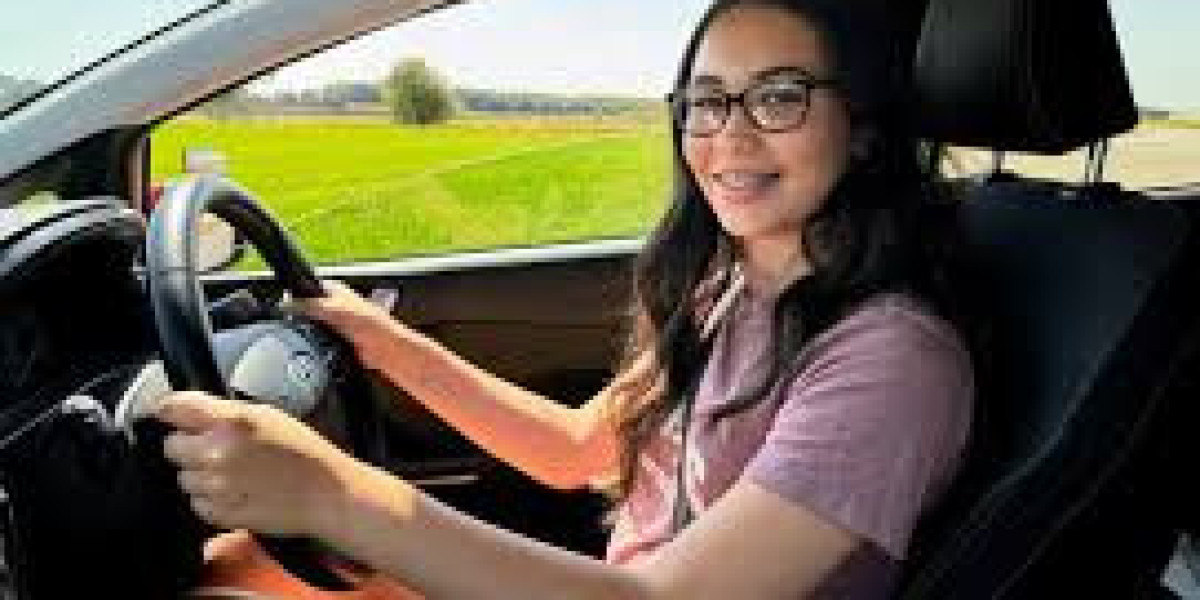

Learning to drive is an exciting milestone, and for many learners, automatic driving lessons provide the easiest and fastest route to gaining confidence behind the wheel. With no clutch pedal or manual gear changes to worry about, automatic cars allow students to focus on road awareness, hazard perception, and safe driving techniques rather than mastering complex gear control.
Whether you're a complete beginner, a nervous driver, or someone returning to driving after years away, automatic lessons could be the perfect choice.
What Are Automatic Driving Lessons?
Automatic driving lessons are driving lessons conducted in a vehicle with an automatic transmission. Unlike manual cars, automatic vehicles change gears automatically, meaning the driver only needs to operate the accelerator and brake pedals.
Because there is no clutch pedal or manual gear shifting, learners often find automatic cars much easier to drive, especially in busy urban areas with frequent stop-and-go traffic.
How Automatic Cars Work
Automatic vehicles use a transmission system that changes gears automatically based on the car's speed and engine performance. Instead of selecting gears manually, drivers simply choose:
- Park (P)
- Reverse (R)
- Neutral (N)
- Drive (D)
Once the car is in Drive, it handles gear changes on its own.
This makes driving smoother and significantly reduces the workload for new drivers.
Benefits of Automatic Driving Lessons
Easier for Beginners
Many first-time drivers struggle with clutch control, finding the biting point, and changing gears.
Automatic cars eliminate these challenges, allowing learners to concentrate on:
- Steering
- Road positioning
- Mirrors
- Observation
- Speed control
- Traffic awareness
This often results in faster confidence building.
Faster Learning Process
Since students don't spend weeks mastering clutch control and gear changes, many complete their training with fewer lessons compared to manual learners.
This can save both time and money.
Less Stress During Lessons
Driving can feel overwhelming when you're learning.
Automatic cars reduce stress because learners don't have to think about:
- Stalling
- Rolling backwards on hills
- Incorrect gear selection
- Clutch control
This creates a more relaxed learning experience.
Perfect for City Driving
Busy towns and cities involve constant stopping and starting.
Automatic vehicles make heavy traffic much easier because there's no clutch work required at every junction or traffic light.
Better Focus on Safety
Without worrying about changing gears, learners can pay more attention to:
- Pedestrians
- Cyclists
- Road signs
- Junctions
- Roundabouts
- Hazard perception
This often improves overall driving awareness.
Who Should Choose Automatic Driving Lessons?
Automatic lessons are suitable for almost anyone, but they are particularly beneficial for:
Nervous Drivers
Many anxious learners feel overwhelmed by manual cars.
Automatic driving removes one of the biggest sources of stress, making lessons more enjoyable.
Older Learners
Adults learning later in life often appreciate the simplicity of automatic vehicles.
Without worrying about gears, they can build confidence more quickly.
Learners with Disabilities
Some drivers with physical conditions find automatic cars easier and more comfortable to operate.
Many driving schools also offer adapted automatic vehicles.
Busy Professionals
People who need a driving licence quickly often choose automatic lessons because they can progress faster.
Automatic vs Manual Driving Lessons
| Feature | Automatic | Manual |
|---|---|---|
| Gear Changes | Automatic | Driver changes gears |
| Clutch Pedal | No | Yes |
| Easier to Learn | Yes | More difficult |
| Stalling | Very unlikely | Common for beginners |
| Learning Time | Often shorter | Usually longer |
| Driving Test | Slightly easier for many learners | More complex |
| Licence Restrictions | Automatic vehicles only | Can drive both manual and automatic |
Is the Driving Test Easier in an Automatic?
The driving test follows exactly the same standards regardless of whether you're driving an automatic or manual vehicle.
You'll still be assessed on:
- Observation
- Mirrors
- Junctions
- Roundabouts
- Parking manoeuvres
- Independent driving
- Hazard awareness
- Road positioning
The only difference is that you won't be tested on clutch control or manual gear changes.
Many learners feel less pressure during an automatic test.
Can You Drive a Manual Car with an Automatic Licence?
No.
Passing your driving test in an automatic vehicle gives you an automatic-only driving licence.
If you later want to drive a manual car, you'll need to:
- Take manual driving lessons.
- Pass another practical driving test in a manual vehicle.
However, with the increasing popularity of electric vehicles—which are automatic—this restriction is becoming less significant for many drivers.
How Many Automatic Driving Lessons Will You Need?
The number of lessons varies depending on your experience, confidence, and learning pace.
Many learners require between 20 and 45 hours of professional instruction, although some may need more or less.
Factors affecting lesson numbers include:
- Previous driving experience
- Confidence level
- Frequency of lessons
- Practice with family or friends
- Ability to learn new skills
What Happens During Your First Lesson?
Your instructor will usually cover:
- Vehicle controls
- Seat adjustment
- Mirrors
- Steering techniques
- Moving off safely
- Braking smoothly
- Basic road positioning
- Quiet residential roads
The goal is to help you feel comfortable with the car before progressing to more complex traffic situations.
Skills You'll Learn
Throughout your automatic driving lessons, you'll develop skills such as:
- Safe observation
- Mirror checks
- Correct signalling
- Turning at junctions
- Roundabout navigation
- Dual carriageway driving
- Parking manoeuvres
- Emergency stops
- Independent driving using road signs or sat nav
- Hazard perception
Tips for Passing Your Automatic Driving Test
Take Regular Lessons
Consistent practice helps you develop good habits and retain new skills.
Practise Between Lessons
If possible, practise with a qualified supervising driver in an insured vehicle.
Learn the Test Routes
While examiners can choose different roads, becoming familiar with local driving conditions can boost confidence.
Master Parking Manoeuvres
Spend extra time practising:
- Parallel parking
- Bay parking
- Pulling up on the right
- Reversing safely
Stay Calm
Remember that the examiner is looking for safe driving—not perfection. Minor mistakes won't necessarily result in a fail if you remain in control and drive safely.
Are Automatic Cars More Expensive?
Automatic vehicles can sometimes cost more to purchase or hire than manual cars. However, this gap has narrowed in recent years as automatic and electric vehicles have become more common.
Additionally, if you require fewer lessons, the overall cost of learning may balance out.
Why Automatic Cars Are Growing in Popularity
Several trends are driving the rise of automatic vehicles:
- Increasing availability of hybrid and electric cars
- Improved fuel efficiency
- Easier driving in congested traffic
- Advances in transmission technology
- Greater comfort for everyday commuting
As more manufacturers focus on automatic and electric models, demand for automatic driving lessons continues to grow.
Choosing the Right Automatic Driving Instructor
When selecting an instructor, consider:
- High pass rates
- Positive learner reviews
- Patient teaching style
- Flexible lesson times
- Modern dual-control automatic vehicle
- Clear lesson plans
- Competitive pricing
A supportive instructor can make a significant difference to your learning experience.
Frequently Asked Questions
Are automatic driving lessons easier?
Yes. Most learners find automatic lessons easier because they don't need to manage a clutch or change gears, allowing them to focus on safe driving.
How long does it take to learn in an automatic car?
It depends on the individual, but many learners become test-ready more quickly than those learning in manual vehicles.
Is an automatic driving test different?
The test format is the same as the manual test, but you won't be assessed on clutch control or manual gear changes.
Can I switch from manual to automatic lessons?
Absolutely. Many learners switch to automatic if they find manual driving difficult or want to pass their test sooner.
Are automatic cars good for new drivers?
Yes. They offer a simpler driving experience, making them an excellent choice for beginners, nervous learners, and anyone looking for a smoother path to becoming a licensed driver.
Final Thoughts
Automatic driving lessons are an excellent option for learners who want a simpler, less stressful way to learn to drive. By removing the complexity of clutch control and gear changes, automatic vehicles allow students to focus on developing safe driving habits, building confidence, and preparing for the practical driving test.
As automatic, hybrid, and electric vehicles become increasingly common, learning in an automatic car is a practical choice for many new drivers. With the right instructor, regular practice, and a commitment to safe driving, you'll be well on your way to earning your licence and enjoying the freedom of the road.