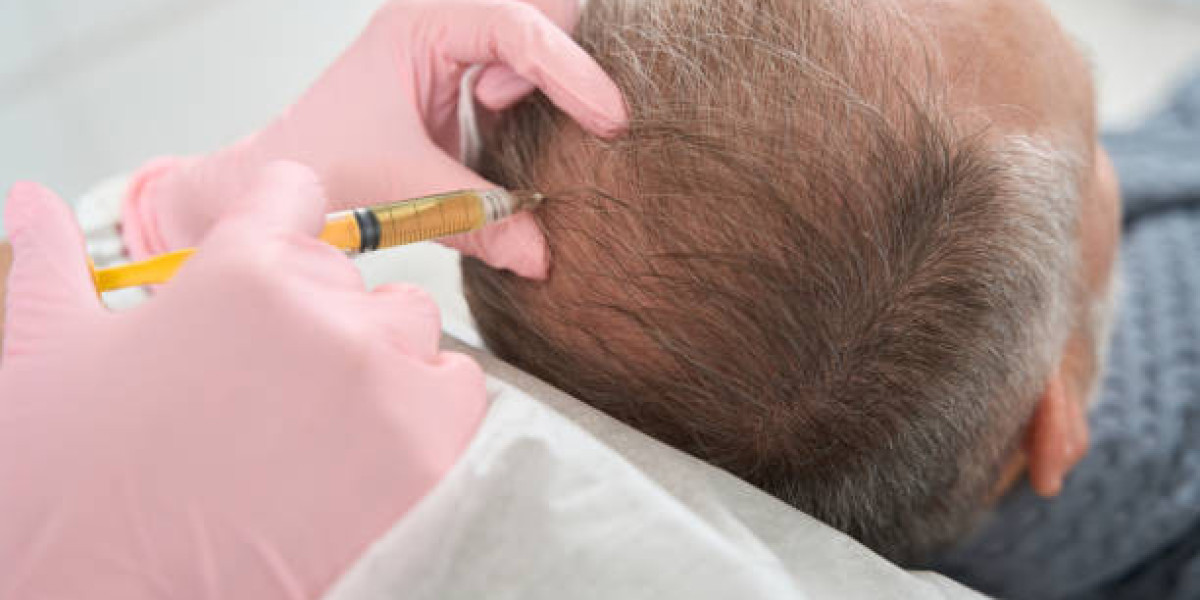

When considering a hair restoration procedure, safety is naturally one of the first concerns. prp hair treatment in riyadh is a minimally invasive procedure that uses platelet-rich plasma prepared from the patient's own blood. Because PRP works with naturally occurring blood components rather than implanted hair follicles, it is often considered a relatively low-risk option when performed by a qualified professional. However, suitability and safety can vary from person to person.
What Is PRP Hair Treatment?
How Platelet-Rich Plasma Is Prepared
PRP stands for platelet-rich plasma. During treatment, a small sample of the patient's blood is collected and processed to concentrate the platelets and growth factors. The prepared plasma is then carefully applied to selected areas of the scalp.
Platelets naturally play a role in tissue repair and contain growth factors involved in cellular communication and regeneration. In hair restoration, PRP is used with the goal of supporting existing hair follicles and encouraging healthier-looking growth.
How PRP Supports Hair Follicles
PRP does not create new follicles. Instead, it focuses on follicles that are still present but may have become weak or less active. The concentrated growth factors may help support follicular activity and the surrounding scalp environment.
Is PRP Hair Treatment Generally Safe?
Minimally Invasive Approach
One of the key characteristics of PRP is that it does not involve major surgery. The treatment involves blood collection followed by targeted scalp application, making it less invasive than procedures such as hair transplantation.
Because the procedure is minimally invasive, recovery is generally limited. However, every medical or cosmetic procedure can carry potential risks, so professional assessment remains important.
Uses the Patient's Own Blood
PRP is prepared from the patient's own blood. This means the treatment does not require donor hair or introduce unrelated biological material into the scalp. Using autologous material may also reduce concerns associated with reactions to foreign substances.
Common Temporary Effects After PRP
Mild Scalp Discomfort
Some people may experience mild tenderness, sensitivity, or discomfort in the treated areas. These effects can vary depending on individual sensitivity and the treatment technique.
Redness or Swelling
Temporary redness or mild swelling may occur around the treated areas. These effects are generally short-lived, but patients should follow the specific aftercare guidance provided by their healthcare professional.
Minor Bruising
Small areas of bruising can occasionally occur at injection sites. This is a possible effect of any procedure involving targeted injections and usually resolves naturally.
How to Make PRP Treatment Safer
Choose a Qualified Professional
The experience and qualifications of the practitioner performing the procedure are important factors in treatment safety. A trained professional can assess whether PRP is appropriate, use proper sterile techniques, and provide suitable aftercare guidance.
Have a Proper Consultation
Before treatment, discuss your medical history, medications, allergies, existing scalp conditions, and previous hair restoration procedures. This information can help the practitioner identify factors that could affect treatment suitability.
Follow Pre- and Post-Treatment Instructions
Carefully following professional instructions before and after the procedure can help reduce unnecessary irritation and support recovery. Avoid changing medications or supplements specifically for PRP unless advised by the healthcare professional who manages them.
Who May Not Be Suitable for PRP?
Certain Medical Conditions
PRP may not be appropriate for everyone. Certain blood disorders, active infections, some medical conditions, or other health factors may affect suitability. A qualified professional should evaluate your individual circumstances before treatment.
Active Scalp Problems
People with active scalp infections or significant inflammation may need to address the underlying scalp issue before considering PRP. Treating the cause of the scalp problem may be more appropriate than proceeding directly with hair restoration therapy.
Unrealistic Expectations
PRP is designed to support existing follicles and is not a guaranteed solution for every type of hair loss. It cannot recreate follicles that have been permanently lost. Understanding this limitation is important when considering treatment.
Is PRP Safe for Men and Women?
PRP for Men
Men commonly experience pattern hair loss involving the hairline, temples, or crown. PRP may be considered when viable follicles remain in these areas. A professional evaluation can help determine whether the treatment is appropriate.
PRP for Women
Women may experience diffuse thinning associated with genetics, hormonal changes, stress, nutritional factors, or other causes. PRP may be considered in selected cases after the underlying cause has been evaluated.
PRP Hair Treatment in Riyadh can be customized according to the individual's hair condition, but gender alone does not determine whether someone is a suitable candidate.
What About Long-Term Safety?
Understanding Available Evidence
PRP has been studied as a potential treatment for certain forms of hair loss, particularly pattern hair loss. Research has reported potential improvements in measures such as hair density and thickness, although results vary between studies and individuals.
Because PRP preparation methods, treatment schedules, and patient characteristics differ, the evidence does not guarantee the same outcome for everyone. Discussing the potential benefits and limitations with a qualified professional is important.
Regular Monitoring
Follow-up assessments can help evaluate how the scalp and hair are responding to treatment. Monitoring is especially useful when multiple sessions are recommended because the treatment plan can be adjusted based on individual response.
How to Prepare for a Safe PRP Session
Share Relevant Health Information
Before your first session, provide accurate information about your health, medications, supplements, allergies, and previous treatments. Do not stop prescribed medication unless instructed by the healthcare professional responsible for your care.
Follow Clinic Instructions
Your practitioner may provide specific instructions regarding scalp care and preparation. Following these recommendations can help create appropriate conditions for treatment.
What Results Can You Expect?
Gradual Improvement
PRP does not produce immediate hair growth. Hair follicles need time to respond, and visible changes may develop gradually as the natural hair growth cycle progresses. Some people may notice changes in hair texture or strength before improvements in density become apparent.
Individual Results Differ
The effectiveness of PRP Hair Treatment in Riyadh depends on several factors, including the cause and severity of hair loss, follicle condition, genetics, age, overall health, and individual response. A consultation can help establish realistic expectations.
When Should You Contact a Professional?
Although temporary discomfort or redness may occur, unexpected or persistent symptoms should be discussed with your healthcare professional. Seek professional advice if you experience significant pain, worsening swelling, signs of infection, or other unusual changes following treatment.
Why Consider PRP Hair Treatment in Riyadh?
For suitable candidates, PRP Hair Treatment in Riyadh provides a minimally invasive approach to supporting existing hair follicles. Its use of the patient's own platelet-rich plasma makes it different from surgical hair restoration procedures and some medication-based approaches.
Safety depends on proper patient selection, professional technique, sterile procedures, and appropriate aftercare. A thorough consultation is therefore the best way to determine whether PRP is a suitable option for your individual hair restoration goals.
Book an Appointment at Royal Clinic Saudia
If you are considering PRP for hair restoration, book a consultation with Royal Clinic Saudia. The professional team can assess your scalp and hair condition, review your concerns, explain the procedure, and determine whether PRP is suitable for your individual needs.
FAQs:
Is PRP Hair Treatment generally considered safe?
PRP is minimally invasive and generally well tolerated, but individual risks and suitability should be assessed by a qualified professional.
Can PRP cause side effects?
Temporary redness, tenderness, mild swelling, or bruising may occur after treatment.
Is PRP suitable for everyone with hair loss?
No. Suitability depends on the cause of hair loss, follicle condition, health history, and other individual factors.
How long does it take to see PRP results?
Hair growth is gradual, and visible improvements may develop over several weeks or months depending on individual response.