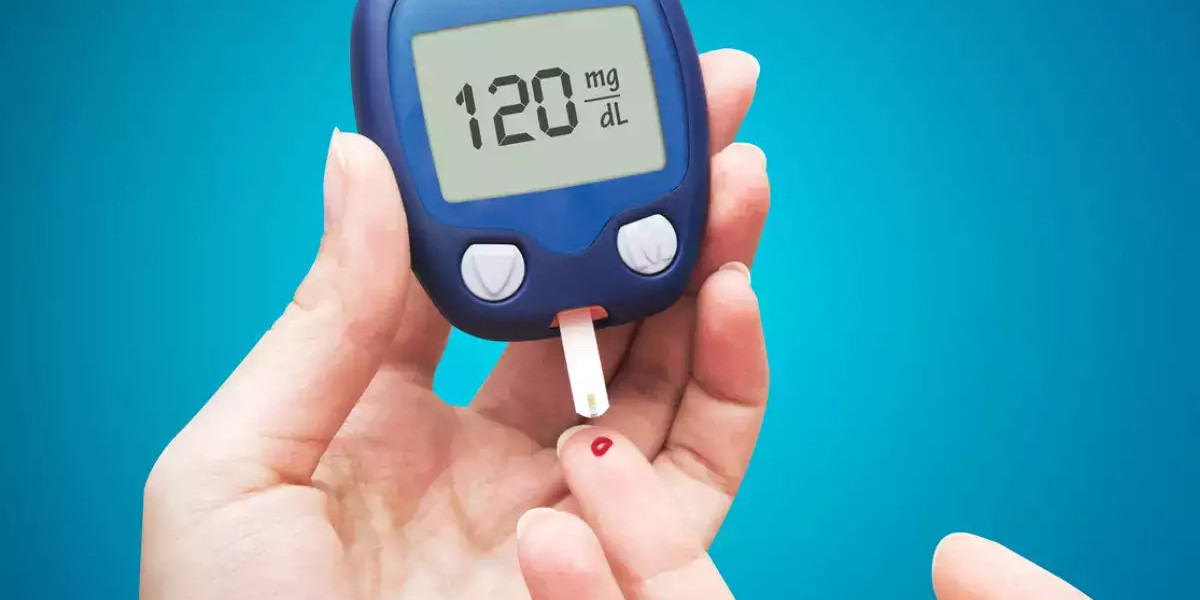

A blood sugar test is one of the most commonly performed medical tests worldwide, yet many people feel uncertain before their appointment. Questions about whether the procedure is painful, how long it takes, whether fasting is necessary, and what happens after the blood sample is collected are completely normal.
The good news is that a blood sugar test is a quick, safe, and straightforward procedure designed to measure the amount of glucose circulating in your bloodstream. These results help healthcare providers diagnose diabetes, identify prediabetes, monitor blood glucose levels, and evaluate overall metabolic health.
Whether you are having your first fasting Blood Sugar Test Dubai, a random blood glucose test, an HbA1c test, or an oral glucose tolerance test, understanding each stage of the procedure can make the experience far more comfortable and stress-free.
Before the Procedure: Why Your Healthcare Provider Recommends the Test
Every blood sugar test begins with a medical reason.
Your healthcare provider may recommend testing during a routine health examination, because of symptoms such as excessive thirst or frequent urination, or as part of ongoing diabetes management. Blood glucose testing is also common for individuals with obesity, high blood pressure, elevated cholesterol, a family history of diabetes, cardiovascular disease, or previous gestational diabetes.
Rather than waiting for symptoms to become severe, healthcare professionals use blood sugar tests to detect changes in glucose regulation early, allowing preventive action before complications develop.
Understanding the purpose of the test helps you approach the procedure with greater confidence.
Preparing for Your Appointment:
Preparation depends on the specific blood sugar test being performed.
If you are scheduled for a fasting blood sugar test, you will usually be asked to avoid eating or drinking anything except water for at least eight hours before the appointment. This fasting period allows healthcare providers to measure your baseline blood glucose without the influence of recent meals.
For an HbA1c test or a random blood sugar test, fasting is generally unnecessary. However, your healthcare provider may still advise you to continue drinking water and to report any medications or supplements you are taking, as some medicines can affect blood glucose levels.
Following preparation instructions carefully helps ensure reliable laboratory results.
Arriving at the Laboratory or Clinic:
When you arrive for your appointment, the first step is usually registration.
Medical staff may confirm your name, age, medical history, current medications, and the type of blood sugar test requested. If fasting was required, they may ask when you last ate or drank anything other than water.
This brief conversation ensures the laboratory has the correct information before collecting your blood sample.
Once everything has been verified, you will be guided to the sample collection area.
Meeting the Healthcare Professional:
A trained healthcare professional performs the blood collection procedure.
Before collecting the sample, they explain what will happen and answer any questions you may have. If you are nervous about needles or have experienced dizziness during previous blood tests, letting the healthcare professional know beforehand allows them to make the experience more comfortable.
Good communication helps reduce anxiety and creates a safer testing environment.
The Blood Sample Collection Process:
The actual blood sugar test procedure usually takes only a few minutes.
You will be asked to sit comfortably while your arm rests on a supportive surface. A tourniquet is placed around your upper arm to make the veins easier to locate.
The healthcare professional cleans the skin with an antiseptic wipe to reduce the risk of infection. A sterile needle is then inserted into a vein, usually inside the elbow, to collect a small blood sample.
Most people describe the sensation as a quick pinch that lasts only a few seconds. Once enough blood has been collected, the needle is removed, gentle pressure is applied with cotton or gauze, and a small adhesive bandage may be placed over the puncture site.
The entire procedure is typically completed within a few minutes.
What Happens During Different Types of Blood Sugar Tests?
Although the blood collection process is similar, each blood glucose test serves a different purpose.
A fasting blood sugar test requires only one blood sample after fasting.
A random blood sugar test also usually requires a single blood sample but does not depend on meal timing.
The HbA1c test involves one blood sample that measures average blood glucose over approximately the previous three months rather than your current glucose level.
The oral glucose tolerance test is more detailed. After the initial blood sample is collected, you will drink a specially prepared glucose solution. Additional blood samples are collected at scheduled intervals over several hours to evaluate how efficiently your body processes glucose.
Healthcare providers select the most appropriate test based on your symptoms, medical history, and diagnostic needs.
Is the Procedure Painful?
One of the most common concerns before a blood sugar test is whether it hurts.
For most individuals, discomfort is minimal. The needle insertion causes only a brief sensation similar to a small pinch. Some people experience slight tenderness or mild bruising afterward, but these effects usually disappear within a short time.
Experienced laboratory professionals perform blood collection using sterile equipment and standardized techniques designed to make the procedure as comfortable as possible.
The benefits of obtaining accurate blood glucose information greatly outweigh the temporary discomfort.
What Happens Immediately After the Test?
Once the blood sample has been collected, normal activities can usually be resumed immediately.
If you were fasting, eating a balanced meal soon after the test helps restore energy levels. Drinking water also supports hydration.
Most people can return to work, school, or their regular daily routine without restrictions unless additional medical procedures are planned.
If you feel lightheaded after the blood draw, remaining seated for a few minutes and informing the healthcare staff is recommended.
How the Laboratory Processes Your Blood Sample?
After collection, the blood sample is carefully labeled and transported for laboratory analysis.
Modern laboratory equipment measures blood glucose with high precision using standardized quality-control procedures. Depending on the type of blood sugar test, the laboratory may also analyze long-term glucose control through HbA1c or perform additional investigations requested by your healthcare provider.
Accurate laboratory analysis forms the foundation of reliable diagnosis and treatment planning.
Receiving and Understanding Your Results:
Laboratory results usually become available within the timeframe provided by the testing facility.
Your healthcare provider reviews the blood glucose findings together with your medical history, symptoms, medications, family history, body weight, blood pressure, and cholesterol levels.
Normal blood sugar results generally indicate effective glucose regulation. Elevated readings may suggest prediabetes or diabetes, while unusually low glucose levels may require further investigation.
Rather than relying on a single number, healthcare professionals evaluate the complete clinical picture before making recommendations.
Possible Next Steps After the Procedure:
The outcome of your blood sugar test determines what happens next.
If your results are within the expected range, your healthcare provider may simply recommend routine preventive screening according to your age and risk factors.
If blood glucose levels are higher than expected, additional testing such as repeat fasting blood sugar measurement, HbA1c testing, or an oral glucose tolerance test may be recommended to confirm the findings.
Individuals diagnosed with prediabetes often receive guidance on nutrition, physical activity, and weight management, while people diagnosed with diabetes may begin personalized treatment that includes medication, regular blood glucose monitoring, and lifestyle changes.
Early action helps reduce the risk of long-term complications.
Tips for a Smooth Blood Sugar Testing Experience:
Simple preparation can make the procedure even easier.
Follow all fasting instructions if required, remain well hydrated by drinking water unless advised otherwise, wear comfortable clothing with sleeves that can be rolled up easily, inform the healthcare provider about medications and recent illnesses, and ask questions if any part of the procedure is unclear.
Staying relaxed also helps healthcare professionals collect the blood sample more comfortably and efficiently.
Good preparation contributes to accurate results and a positive testing experience.
Why Regular Blood Sugar Testing Matters?
A blood sugar test is not only performed when diabetes is suspected. It is also an important preventive healthcare tool.
Routine blood glucose monitoring helps identify prediabetes before symptoms develop, evaluates diabetes treatment, measures long-term glucose control, and supports early intervention when abnormalities are detected.
Combined with balanced nutrition, regular physical activity, healthy body weight, stress management, quality sleep, and routine medical checkups, regular blood sugar testing contributes significantly to lifelong metabolic health.
Consistent monitoring empowers individuals to make informed healthcare decisions based on reliable medical information.
Conclusion:
Understanding what happens during a blood sugar Lab tests can replace uncertainty with confidence. From preparing for the appointment and having a small blood sample collected to receiving accurate laboratory results and discussing the findings with your healthcare provider, every stage of the procedure is designed to provide valuable insight into your body's glucose regulation.
Whether you are undergoing screening for the first time or managing diabetes through ongoing blood glucose monitoring, the procedure is quick, safe, and highly informative. Regular blood sugar testing, combined with healthy lifestyle habits and professional medical guidance, remains one of the most effective ways to detect diabetes early, monitor treatment progress, and protect your long-term health.