The global economy relies on a massive, hidden circulatory system. Millions of miles of steel pipelines traverse the globe, crossing brutal deserts, plunging through freezing tundra, and resting on the crushing floor of the deep ocean. These pipelines safely transport the lifeblood of modern civilization: crude oil, highly pressurized natural gas, and fresh water. To prevent the steel pipes from rapidly corroding in these hostile environments, they are coated with thick, highly advanced anti-corrosion polymers at the manufacturing plant before being shipped to the construction site. However, this protective system possesses one inherent weakness that must be addressed during installation.
When individual sections of pipeline are welded together in the field to form a continuous line, the intense heat of the welding torch completely destroys the factory-applied coating at the junction. This leaves a band of raw, exposed steel—known as the field joint—highly vulnerable to devastating corrosion. Protecting this critical weak link has created a highly specialized and vital sector within the oil and gas support industry. According to a recent report by Wise Guys Report, the global field joint coating market is experiencing steady growth, driven by the relentless expansion of global energy infrastructure and deep-water exploration.
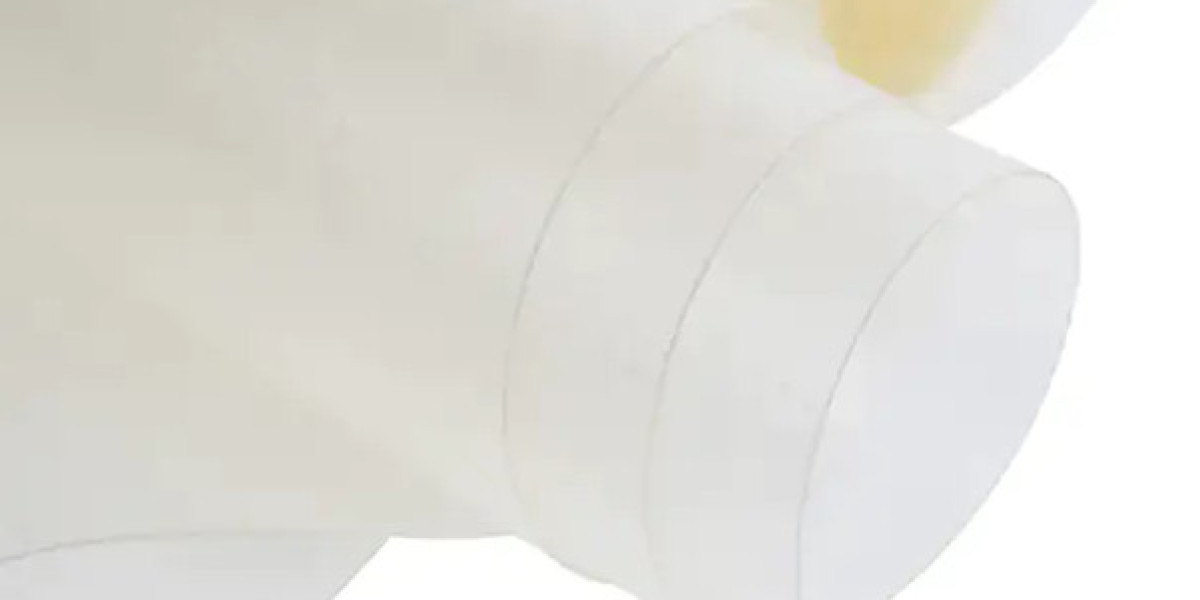
The application of protective materials to these welded joints is a complex, high-stakes engineering process. Because the pipeline is often in a remote, uncontrollable outdoor environment, the coating solutions must be robust, fast-curing, and incredibly durable. Heat Shrink Sleeves (HSS) are one of the most widely utilized technologies. These are wrap-around, radiation-crosslinked polymer sheets coated with a highly aggressive hot-melt adhesive. When wrapped around the welded joint and blasted with a heavy propane torch, the sleeve violently shrinks, squeezing the liquid adhesive into the microscopic pores of the steel, creating an impenetrable, permanent seal against moisture and oxygen.
For more demanding environments, particularly deep-water offshore pipelines subjected to immense hydrostatic pressure and aggressive salt water, liquid coatings are the preferred standard. Highly specialized, two-part liquid epoxy or polyurethane resins are mixed on-site and aggressively sprayed onto the hot, freshly welded steel. These liquid coatings cure in a matter of minutes, forming a monolithic, rock-hard plastic shell that bonds perfectly with the adjacent factory coating, ensuring a seamless barrier across the entire length of the pipeline.
The industry is currently facing significant technical challenges that are driving innovation. As energy companies drill in increasingly hostile environments, pipelines are running hotter to keep heavy crude oil flowing, necessitating new coatings that can withstand extreme internal operating temperatures without degrading. Furthermore, the rapid development of global liquified natural gas (LNG) infrastructure and the emerging green hydrogen economy require pipelines that operate at cryogenic temperatures, demanding coatings that remain flexible and bonded when freezing.
Failure to properly protect a single field joint can result in catastrophic pipeline ruptures, leading to massive environmental disasters, loss of life, and billions of dollars in economic damage. As the global demand for safe, reliable energy transport continues to surge, the highly specialized materials and rigorous application protocols governing these critical pipeline junctions remain absolute necessities.
Browse for more Reports: