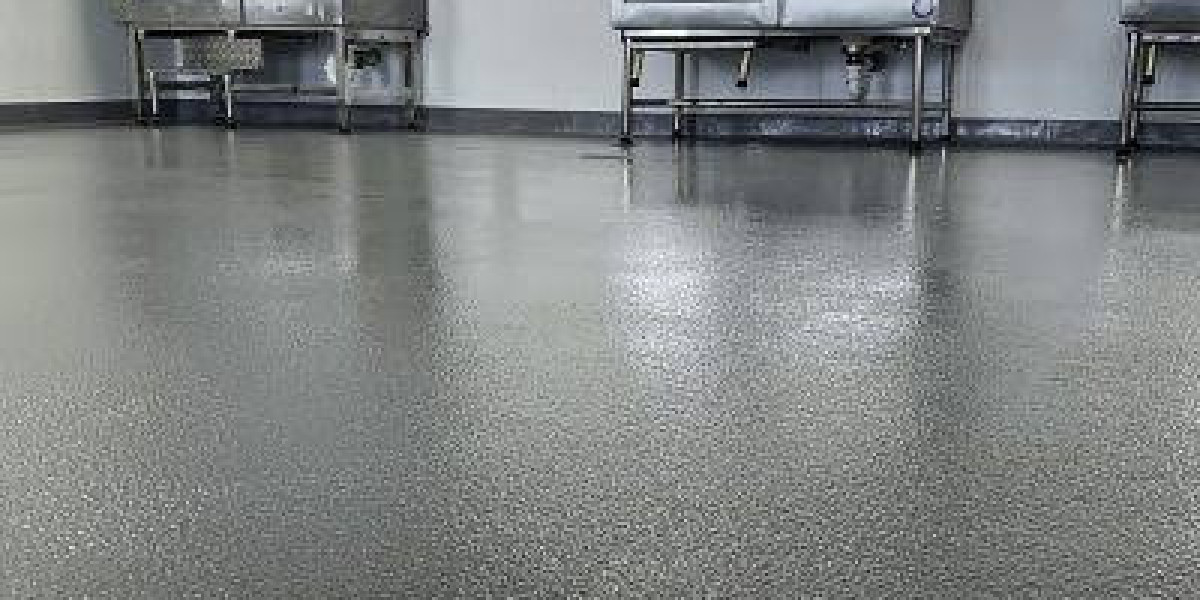

A solid color epoxy floor is one of the most popular flooring solutions for residential, commercial, and industrial spaces. It provides a seamless, durable, and attractive finish that resists stains, chemicals, moisture, and heavy traffic. Whether you're upgrading a garage, warehouse, showroom, basement, or retail space, solid color epoxy flooring delivers long-lasting performance with a clean, modern appearance.
In this guide, you'll learn everything about solid color epoxy floors, including their benefits, applications, installation process, maintenance, costs, and how to choose the best color for your space.
What Is a Solid Color Epoxy Floor?
A solid color epoxy floor is a flooring system created by applying multiple layers of epoxy resin over a properly prepared concrete surface. Unlike decorative metallic or flake epoxy systems, solid color epoxy creates a smooth, uniform finish in a single color.
The result is a sleek, professional-looking floor with excellent durability and minimal maintenance requirements.
Most solid color epoxy systems consist of:
- Concrete preparation
- Epoxy primer
- Pigmented epoxy base coat
- Protective clear topcoat (polyaspartic or polyurethane)
This combination creates a floor that can last for many years with proper care.
Benefits of Solid Color Epoxy Flooring
Exceptional Durability
Solid color epoxy is designed to withstand:
- Heavy foot traffic
- Vehicle traffic
- Forklifts
- Heavy machinery
- Daily wear and tear
Unlike painted concrete, epoxy bonds directly to the surface, making it much more durable.
Seamless Finish
One of the biggest advantages is its seamless surface.
Without grout lines or joints, dirt, dust, and bacteria have fewer places to collect, making cleaning quick and easy.
Chemical Resistance
Solid color epoxy resists many common chemicals, including:
- Oil
- Gasoline
- Grease
- Brake fluid
- Cleaning chemicals
- Mild acids
This makes it ideal for garages, workshops, and industrial facilities.
Moisture Protection
Properly installed epoxy creates a moisture-resistant barrier that protects concrete from water damage, stains, and spills.
Easy Maintenance
Daily maintenance usually requires only:
- Sweeping
- Dust mopping
- Occasional damp mopping
- Mild cleaning solutions
No waxing or polishing is necessary.
Attractive Appearance
Solid color epoxy offers a clean, modern look that complements virtually any interior design.
Popular colors include:
- Light Gray
- Dark Gray
- White
- Beige
- Tan
- Black
- Safety Yellow
- Safety Red
- Blue
- Green
Cost-Effective
Compared to replacing concrete or installing premium tile, solid color epoxy provides excellent value due to its long lifespan and low maintenance costs.
Where Can Solid Color Epoxy Floors Be Installed?
One of the greatest advantages of epoxy is its versatility.
Residential Applications
Homeowners commonly install solid color epoxy in:
- Garages
- Basements
- Laundry rooms
- Utility rooms
- Workshops
- Storage rooms
- Home gyms
Commercial Applications
Businesses use epoxy flooring for:
- Retail stores
- Offices
- Restaurants
- Schools
- Hospitals
- Hotels
- Shopping centers
Industrial Applications
Industrial environments benefit from epoxy's strength.
Ideal locations include:
- Warehouses
- Manufacturing plants
- Distribution centers
- Auto repair shops
- Aircraft hangars
- Laboratories
- Food processing facilities
Popular Solid Color Epoxy Floor Colors
Choosing the right color depends on your space and intended use.
Gray
The most popular option.
Gray hides dust well and creates a professional appearance.
Perfect for:
- Garages
- Warehouses
- Workshops
White
Brightens interiors and reflects light.
Often used in:
- Medical facilities
- Laboratories
- Retail stores
Beige
Adds warmth while maintaining a clean appearance.
Ideal for:
- Offices
- Residential basements
- Commercial spaces
Black
Creates a bold, modern appearance.
Common in:
- Automotive showrooms
- Luxury garages
- Retail environments
Blue
Frequently used in:
- Healthcare facilities
- Manufacturing
- Commercial kitchens
Green
Popular in industrial environments for safety zoning and production areas.
Solid Color Epoxy Floor Installation Process
Professional installation is essential for long-term performance.
1. Concrete Inspection
Installers first evaluate:
- Cracks
- Moisture levels
- Surface damage
- Existing coatings
2. Surface Preparation
Preparation is the most important step.
This typically includes:
- Diamond grinding
- Shot blasting
- Crack repairs
- Surface cleaning
Proper preparation ensures maximum adhesion.
3. Primer Application
A high-quality primer strengthens the bond between concrete and epoxy.
4. Epoxy Base Coat
The pigmented epoxy is evenly rolled onto the floor to create the solid color finish.
5. Protective Topcoat
Most professionals apply a polyurethane or polyaspartic clear coat for:
- UV resistance
- Scratch resistance
- Additional durability
- Easier cleaning
How Long Does a Solid Color Epoxy Floor Last?
With professional installation and proper maintenance, a solid color epoxy floor can last:
| Area | Expected Lifespan |
|---|---|
| Residential garage | 10–20 years |
| Basement | 15–20 years |
| Commercial office | 8–15 years |
| Warehouse | 7–12 years |
| Industrial facility | 5–10 years |
The lifespan depends on traffic levels, maintenance, and the quality of installation.
Maintenance Tips
Keeping your epoxy floor looking new is simple.
Sweep Regularly
Remove dust and debris to prevent surface scratches.
Mop Monthly
Use warm water with a pH-neutral cleaner.
Clean Spills Quickly
Although epoxy resists stains, prompt cleanup helps preserve its finish.
Avoid Abrasive Cleaners
Harsh chemicals and abrasive scrubbers can dull the topcoat over time.
Use Protective Pads
Place pads under heavy equipment and furniture to minimize scratching.
Is a Solid Color Epoxy Floor Slippery?
A glossy epoxy floor can become slippery when wet.
To improve safety, installers can add:
- Anti-slip additives
- Aluminum oxide
- Silica sand
- Textured finishes
These options increase traction without sacrificing durability.
Solid Color Epoxy vs. Epoxy Flake Flooring
| Feature | Solid Color | Flake Epoxy |
|---|---|---|
| Appearance | Smooth, uniform | Decorative texture |
| Maintenance | Very easy | Easy |
| Slip Resistance | Moderate | Better |
| Design Options | Minimal | Many color blends |
| Cost | Lower | Slightly higher |
Common Problems to Avoid
Most epoxy flooring issues result from improper installation.
Common mistakes include:
- Skipping surface preparation
- Applying epoxy over moisture
- Poor mixing ratios
- Incorrect curing temperatures
- Using low-quality materials
Hiring experienced professionals helps ensure a durable, long-lasting finish.
How Much Does a Solid Color Epoxy Floor Cost?
Pricing varies based on:
- Floor size
- Concrete condition
- Surface preparation
- Number of coats
- Topcoat selection
- Geographic location
While basic systems are more affordable, premium installations with high-performance topcoats typically provide greater durability and a longer service life.
Is a Solid Color Epoxy Floor Worth It?
For most homeowners and businesses, the answer is yes.
A professionally installed solid color epoxy floor offers:
- Outstanding durability
- Attractive appearance
- Low maintenance
- Chemical resistance
- Moisture protection
- Long-term value
- Improved cleanliness
Whether you're renovating a garage or upgrading a commercial facility, it is one of the most reliable flooring solutions available.
Frequently Asked Questions
Can epoxy be installed over old concrete?
Yes, provided the concrete is structurally sound and properly prepared.
How long does installation take?
Most residential projects are completed within 2–4 days, depending on the floor size and curing requirements.
Does epoxy crack?
Epoxy itself is highly durable, but significant movement or cracking in the underlying concrete can telegraph through the coating if not properly repaired beforehand.
Can I customize the color?
Yes. Many manufacturers offer a wide range of standard colors, and custom color matching may also be available.
Is epoxy suitable for outdoor use?
Standard epoxy can yellow or chalk with prolonged UV exposure. For outdoor areas, a UV-resistant topcoat or a coating system designed specifically for exterior use is recommended.
Conclusion
A solid color epoxy floor combines strength, style, and practicality in one seamless flooring system. Its resistance to stains, chemicals, moisture, and heavy traffic makes it an excellent choice for garages, warehouses, retail spaces, basements, and industrial facilities. With proper installation and routine maintenance, a solid color epoxy floor can provide years of dependable performance while enhancing the appearance and functionality of any space.