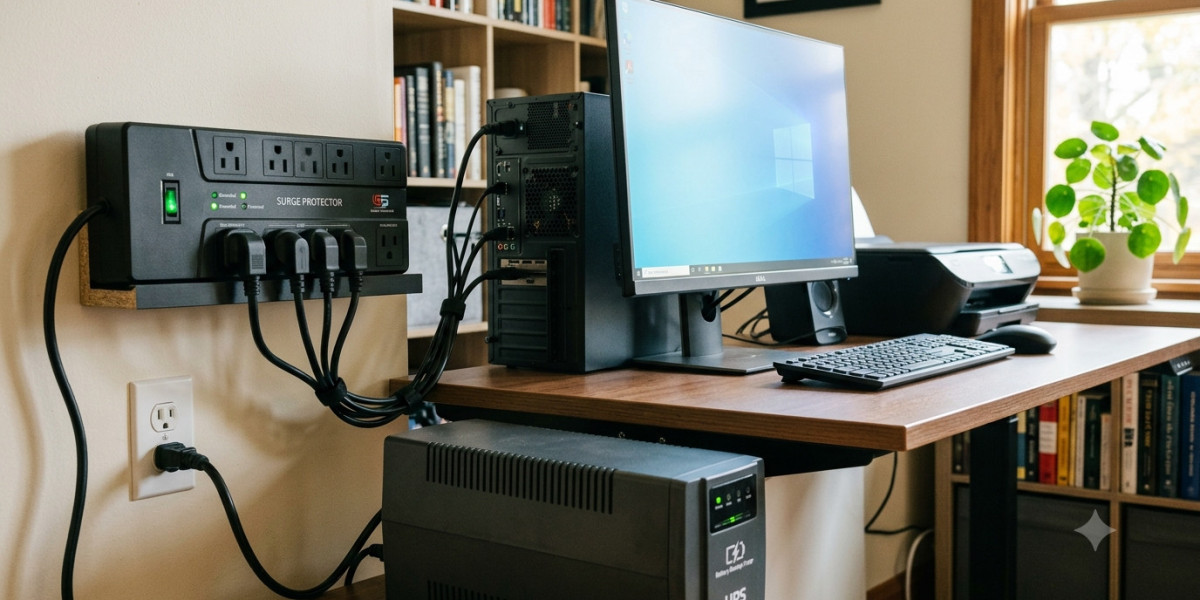

Your computer is one of your most valuable investments, whether you use it for work, school, business, gaming, or personal tasks. Unfortunately, many computers are damaged every year by unexpected power surges, voltage fluctuations, and electrical failures. These problems can destroy sensitive hardware in seconds, leading to expensive repairs or permanent data loss. Fortunately, there are several practical steps you can take to protect your system from electrical damage. If you're searching for computer repair Albany, professional laptop repair Albany, or trusted computer repair Albany NY services, understanding how to safeguard your computer from power-related issues can help you avoid unnecessary repairs and extend the life of your device.
Electrical damage often occurs without warning. A lightning strike, sudden power outage, faulty wiring, or overloaded electrical circuit can send an unexpected surge through your computer. While some incidents are unavoidable, proper preparation and preventive measures can greatly reduce the risk of serious hardware damage.
What Is a Power Surge?
A power surge is a sudden increase in electrical voltage that exceeds the normal level supplied to your computer. Even a brief surge lasting only a fraction of a second can damage delicate electronic components.
Common causes of power surges include:
- Lightning strikes
- Utility company power restoration
- Electrical storms
- Faulty household wiring
- High-powered appliances switching on
- Overloaded electrical circuits
- Generator power fluctuations
Although some surges are minor, repeated exposure can gradually weaken internal computer components over time.
How Electrical Damage Affects Your Computer
Modern computers contain sensitive electronic circuits that require a stable power supply. Excess voltage can permanently damage these components.
Electrical damage may affect:
- Motherboard
- Power supply
- Hard drive or SSD
- Processor (CPU)
- Graphics card (GPU)
- RAM
- Network ports
- USB ports
In severe cases, a powerful surge can destroy multiple components simultaneously, making repairs significantly more expensive.
Use a High-Quality Surge Protector
One of the simplest and most effective ways to protect your computer is by using a quality surge protector.
Unlike ordinary power strips, surge protectors are specifically designed to absorb excess voltage before it reaches your computer.
When purchasing a surge protector, look for features such as:
- High joule rating
- Multiple protected outlets
- Indicator lights showing protection status
- Equipment warranty
- Automatic shutdown after protection expires
A quality surge protector provides an essential first layer of defense against unexpected voltage spikes.
Invest in an Uninterruptible Power Supply (UPS)
A UPS offers even greater protection than a surge protector.
In addition to surge protection, it provides temporary battery power during outages.
Benefits include:
- Safe computer shutdown
- Protection against sudden outages
- Voltage regulation
- Reduced risk of data loss
- Protection from brownouts
A UPS is especially valuable for businesses, remote workers, and anyone handling important files.
Avoid Overloading Electrical Outlets
Plugging too many high-powered devices into one outlet increases the risk of electrical problems.
Avoid connecting your computer to the same outlet as:
- Space heaters
- Air conditioners
- Microwaves
- Refrigerators
- Power tools
These appliances draw significant power and may create voltage fluctuations that affect sensitive electronics.
Whenever possible, dedicate a separate outlet for your computer equipment.
Unplug During Severe Storms
No surge protector can guarantee complete protection against a direct lightning strike.
During severe thunderstorms:
- Save your work.
- Shut down your computer.
- Unplug the power cable.
- Disconnect network cables if necessary.
This simple precaution eliminates the risk of lightning-related electrical damage.
Check Your Home's Electrical System
Older buildings may have outdated electrical wiring that increases the risk of power problems.
Warning signs include:
- Flickering lights
- Frequently tripped breakers
- Burning smells
- Warm outlets
- Loose electrical sockets
If you notice any of these issues, consult a qualified electrician before they damage your electronic devices.
Protect Your Laptop Properly
Laptop users often assume built-in batteries provide complete electrical protection.
While batteries help during short outages, charging laptops remain connected to household electricity and are still vulnerable to voltage spikes.
For maximum protection:
- Use the manufacturer's original charger.
- Connect it through a surge protector.
- Avoid charging during severe storms.
- Replace damaged charging cables immediately.
Proper charging habits reduce the risk of both electrical damage and battery failure.
Keep Your Power Supply in Good Condition
Desktop computers rely on their power supply unit (PSU) to convert household electricity into safe operating voltages.
A failing power supply may cause:
- Random shutdowns
- Startup problems
- Burning smells
- Unstable performance
- Unexpected restarts
If these symptoms appear, have the power supply inspected before it damages additional components.
Back Up Important Data Regularly
Even with excellent electrical protection, accidents can still happen.
Routine backups ensure valuable information remains safe if hardware becomes damaged.
Good backup options include:
- External hard drives
- Cloud storage
- Network-attached storage (NAS)
Following the 3-2-1 backup strategy provides excellent protection against unexpected hardware failures.
Watch for Signs of Electrical Damage
Electrical problems don't always destroy a computer immediately.
Watch for warning signs such as:
- Computer won't turn on
- Burning odor
- Random crashes
- Blue screen errors
- USB ports stop working
- Frequent restarts
- Flickering display
- Power supply fan failure
Early diagnosis may prevent additional components from becoming damaged.
Schedule Preventive Hardware Inspections
Routine maintenance allows technicians to identify developing electrical problems before major failures occur.
Professional inspections often include:
- Power supply testing
- Motherboard diagnostics
- Voltage stability checks
- Internal component inspection
- Cooling system evaluation
- Hardware health assessment
Preventive inspections reduce the risk of unexpected hardware failure caused by electrical issues.
Why Professional Electrical Diagnostics Are Important
Electrical damage isn't always visible from the outside. Experienced computer repair Albany technicians use specialized diagnostic equipment to inspect power supplies, motherboards, storage devices, and other critical hardware for signs of electrical failure. They can identify damaged components, replace failing parts, and verify that your computer is operating safely before additional problems develop.
Likewise, laptop repair Albany professionals evaluate charging ports, batteries, power circuits, adapters, and internal components to determine whether voltage fluctuations have affected your laptop. Their expertise helps restore safe operation while preventing recurring electrical issues.
For homeowners, students, professionals, and businesses seeking dependable computer repair Albany NY, professional diagnostics provide peace of mind by ensuring your computer is protected, repaired correctly, and ready for reliable long-term use.
Conclusion
Power surges and electrical damage can happen without warning, but taking the right preventive measures greatly reduces the risk. Using a high-quality surge protector, investing in a UPS, avoiding overloaded outlets, unplugging devices during severe storms, maintaining your electrical system, and backing up important data are all essential steps toward protecting your computer.
If your system has experienced a power surge or is showing signs of electrical damage, don't wait for the problem to worsen. Trusted computer repair Albany, experienced laptop repair Albany, and reliable computer repair Albany NY professionals can diagnose damaged components, perform expert repairs, and help safeguard your computer against future electrical problems.