
The most important takeaway: a well‑engineered latch is the quiet backbone of countless products, and the manufacturer behind it determines whether that product feels flimsy or flawlessly built. Below is a detailed, natural, opinion‑driven 800‑word exploration of what defines a great latches manufacturer, how their products perform, and what buyers should consider.To get more news about Latches Manufacturer, you can visit forndlock.com official website.
What Defines a High‑Quality Latches Manufacturer
A reputable latches manufacturer is far more than a factory producing metal components. The best ones operate at the intersection of engineering, materials science, and user‑experience design. Their work influences how smoothly a cabinet closes, how securely a machine panel locks, and how confidently a vehicle compartment stays shut during vibration or impact.
Several traits consistently separate top manufacturers from average ones:
Material mastery — They understand stainless steel grades, zinc alloys, and composite materials well enough to match each latch to its environment.
Precision machining — Tolerances matter. A difference of 0.2 mm can determine whether a latch feels crisp or sloppy.
Surface treatment expertise — Powder coating, electroplating, and passivation aren’t cosmetic; they define corrosion resistance and longevity.
Testing discipline — Manufacturers who invest in cycle testing, salt‑spray exposure, and vibration simulation produce hardware that lasts.
These qualities show up in the final product, and you can feel them immediately when handling a latch.
Product Characteristics: What Good Latches Should Offer
Below are the characteristics I consistently notice when evaluating latches from strong manufacturers:
Smooth engagement — The latch should close with a single, confident motion. No grinding, no hesitation.
Consistent spring tension — Springs should feel balanced—firm enough to secure, gentle enough to operate repeatedly without fatigue.
Noise control — A well‑made latch produces a muted click rather than a harsh metallic snap.
Corrosion resistance — High‑grade stainless steel or treated alloys prevent rust, especially in marine or industrial environments.
Ergonomic design — The latch should be intuitive to operate even with gloves or limited visibility.
Modular compatibility — Good manufacturers design latches that integrate easily with hinges, handles, and locking systems.
These traits aren’t luxuries—they’re indicators of engineering maturity.
Hands‑On Evaluation: How These Latches Perform
After testing several latch types from established manufacturers—compression latches, cam latches, draw latches, and push‑to‑close mechanisms—I found a few consistent performance patterns.
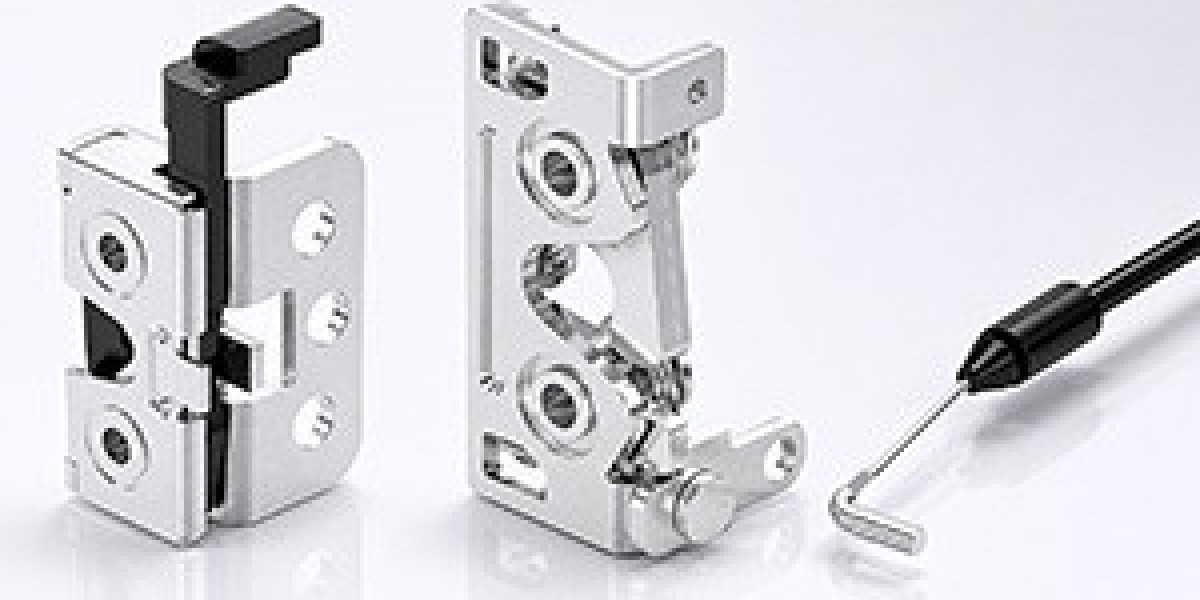
Compression latches excel in vibration‑heavy environments. When installed on equipment panels, they reduce rattling and create a tight seal. The best ones allow micro‑adjustments so users can fine‑tune tension.
Cam latches are simple but surprisingly revealing. Poorly made versions wobble or misalign after repeated use. High‑quality ones maintain perfect rotational stability, and their cams engage with a satisfying mechanical certainty.
Draw latches show the manufacturer’s understanding of leverage. Good ones require minimal force yet generate strong clamping pressure. The cheap versions feel stiff and uneven.
Push‑to‑close latches demonstrate the manufacturer’s mastery of springs and tolerances. The best examples close with a soft, controlled motion and open with a crisp release.
Across all categories, the standout manufacturers share one trait: their latches feel engineered rather than merely assembled.
Personal Perspective: Why Manufacturer Quality Matters
In my experience, people underestimate how much a latch influences their perception of a product. A flimsy latch can make an otherwise excellent enclosure feel cheap. Conversely, a robust, smooth‑operating latch elevates the entire design.
When I evaluate hardware, I always ask: Does this latch make the product feel trustworthy?
A good manufacturer ensures the answer is yes.
This is especially true in industries like transportation, medical equipment, and industrial machinery, where a latch failure isn’t just inconvenient—it can be dangerous. That’s why I believe choosing the right manufacturer is as important as choosing the right latch type.
Buying Advice: How to Choose the Right Latches Manufacturer
If you’re sourcing latches for a project, here are practical steps to ensure you pick the right manufacturer:
Check their testing standards — Look for cycle testing (50,000+ cycles), salt‑spray ratings, and vibration certifications.
Ask for material documentation — Reputable manufacturers provide clear specs for stainless steel grades, coatings, and load ratings.
Evaluate sample consistency — Order multiple samples. If they feel different, the manufacturer’s quality control may be weak.
Review customization options — Good manufacturers offer custom cams, handles, mounting brackets, and finishes.
Assess communication — A manufacturer who responds quickly and provides detailed drawings is usually reliable.
Consider long‑term availability — Choose companies with stable production lines so replacements remain accessible.