
The easiest way to guarantee authenticity is buying directly through the brand's official retail channels or authorized stockists, where verification isn't really a concern. Once you move into resale territory — Grailed, Depop, private sellers, or local marketplaces — the responsibility for confirming authenticity shifts entirely to the buyer. Knowing where a piece came from originally, and asking the seller directly about its purchase history, is the first practical step before digging into physical details on the garment itself.
Request Detailed Photos Before Paying
Who Decides War legitimate seller should have no issue providing extra photos beyond what's already posted in a listing. Ask specifically for close-up shots of interior tags, stitching around seams, hardware like zippers or buttons, and any care labels sewn inside the garment. Sellers who hesitate, provide only stock photography, or reuse the same images across multiple listings are giving a strong signal that something isn't right. Genuine sellers rarely have a problem sending a few extra angles.
Compare Tag Fonts and Placement Carefully
Authentic tags follow a consistent design across a given collection, using specific font weight, letter spacing, and positioning that counterfeiters frequently get slightly wrong. Pull up verified reference photos from official releases or trusted authentication guides and compare them directly against the item in question. Even small differences — a font that looks close but not identical, or a tag placed a few millimeters off from where it should sit — can indicate a counterfeit piece rather than a genuine one.
Examine the Hardware Closely
Zippers, snaps, buttons, and drawcord tips often carry subtle branding details that are difficult for counterfeiters to replicate precisely. Genuine hardware usually feels solid, operates smoothly, and includes engraved or embossed branding that matches official reference images. Cheaper counterfeit hardware sometimes feels lightweight, sticks when used, or is missing branding entirely on smaller components like zipper pulls. Testing zippers and snaps in person, when possible, reveals quality differences that photos alone often can't show.
Check Stitching Patterns Against References
Stitch count, thread color matching, and seam consistency are all details worth comparing against verified authentic pieces before finalizing a purchase. Genuine garments maintain even stitching throughout, with no loose threads or skipped sections around high-stress areas like pockets and hems. Reference photos from the brand's own product pages or reputable authentication communities provide a benchmark. Any noticeable deviation from that benchmark, particularly sloppy or inconsistent stitching, should raise concern before you commit to buying.
Verify Fabric Weight and Texture
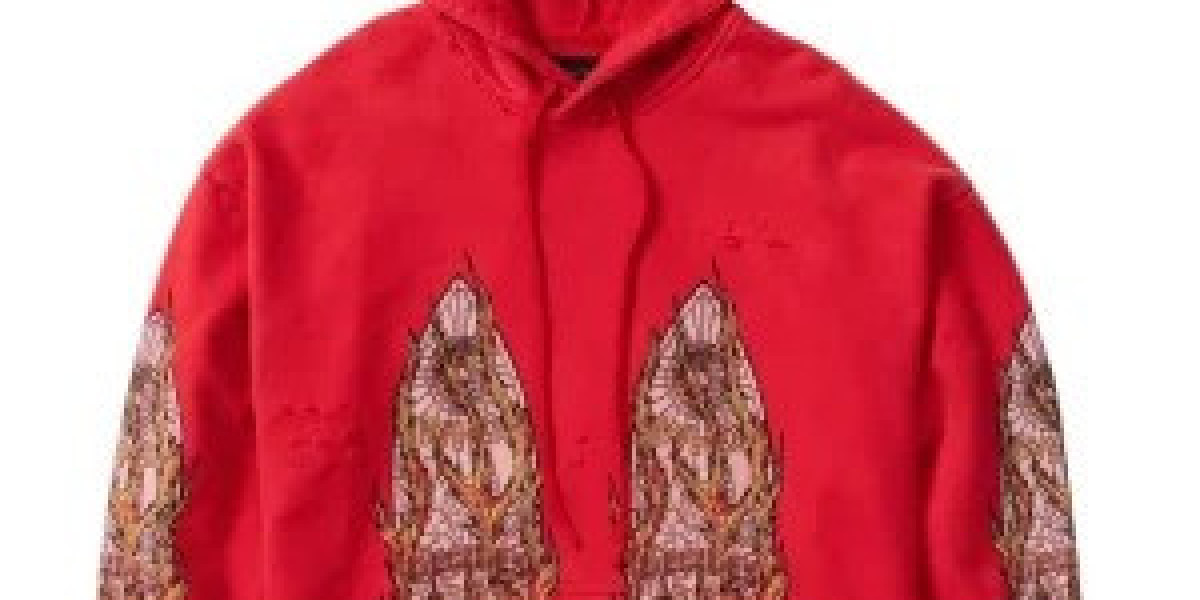
Authentic pieces typically use a specific fabric weight chosen deliberately for durability and structure, something counterfeiters often cut corners on to reduce production costs. If buying in person, feel the fabric directly and compare it against known authentic pieces if you own any, or against detailed seller descriptions of weight and texture. For pieces like a Who Decides War hoodie, the fleece should feel substantial rather than thin, since lighter fabric is a common shortcut used in counterfeit production.
Ask for Proof of Purchase
Legitimate sellers, especially those active in the community for a while, often still have original receipts, order confirmation emails, or packaging from their initial purchase. Requesting this proof isn't unreasonable, and most honest sellers will provide it without pushback. A seller who becomes defensive or refuses to share any purchase history, especially for a supposedly rare or expensive piece, is a signal worth taking seriously before moving forward with payment.
Use Third-Party Authentication Services
Many resale platforms now offer optional authentication services for a small fee, where experts physically inspect an item before it ships to the buyer. This is particularly worth using for higher-value purchases where the financial risk of a counterfeit is significant. These services typically check the same details covered here — stitching, tags, hardware, and fabric — but with trained eyes and reference databases most individual buyers don't have access to on their own.
Special Considerations for Shorts and Smaller Pieces
Smaller items like Who Decides War shorts sometimes get less scrutiny from buyers simply because they seem like a lower financial risk compared to jackets or denim. That assumption can backfire, since simpler construction makes these pieces easier to counterfeit convincingly. Checking waistband stitching, drawstring hardware, and interior tags on shorts deserves the same attention as larger, more expensive garments, even if the price tag feels less significant.
Final Checklist Before You Buy
Authenticity comes down to layering multiple checks rather than relying on a single detail. Verify the seller's history, request detailed photos, compare tags and stitching against trusted references, and don't hesitate to use paid authentication services for expensive purchases. Taking these extra steps before paying protects your money and ensures that whatever who decides war piece you're adding to your collection is genuinely what it's being sold as.