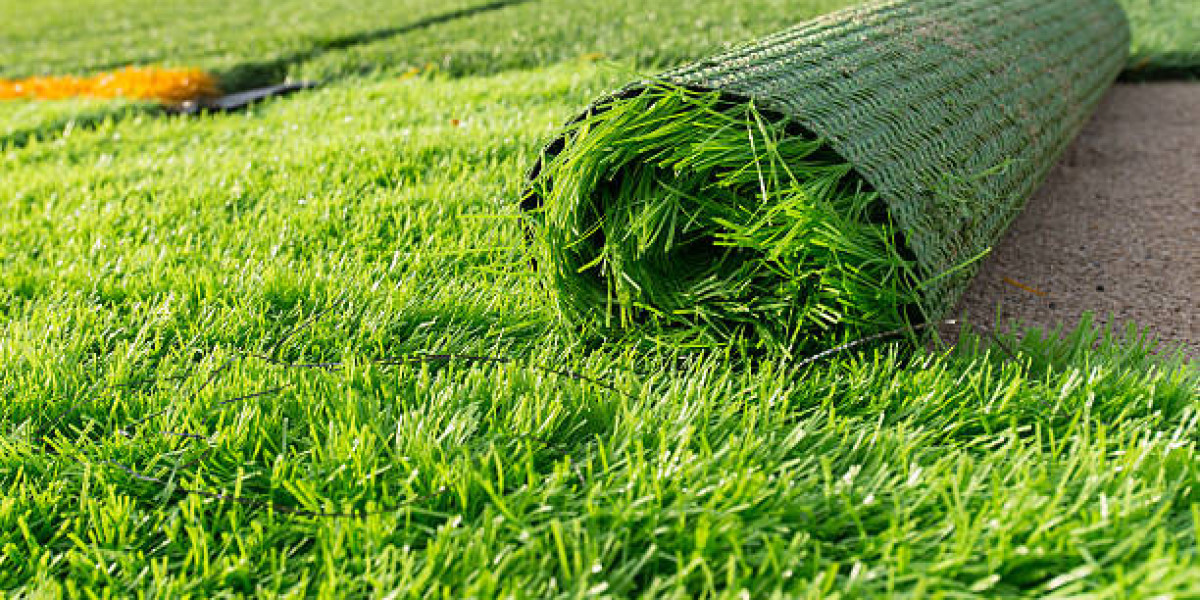

Artificial Grass Market is expanding as sustainability, water efficiency, and cost-effective landscaping solutions become increasingly important across residential and commercial sectors. Consumers and businesses are looking for alternatives that provide attractive outdoor spaces without the extensive maintenance requirements associated with natural grass. Artificial grass offers durability, year-round visual appeal, and reduced resource consumption, making it a preferred choice for various landscaping projects. The increasing focus on environmentally conscious development and efficient land management is encouraging wider adoption of synthetic turf products.
The Artificial Grass Market is benefiting from growing demand for eco friendly turf alternatives that support sustainable landscaping practices. Eco friendly turf alternatives are gaining attention as property owners seek solutions that reduce water usage and maintenance requirements. These alternatives help create attractive green spaces while supporting environmental conservation goals. Landscape designers and developers are increasingly incorporating artificial grass into projects focused on sustainability, efficiency, and long-term value.
Residential landscaping is one of the major areas contributing to artificial grass adoption. Homeowners are increasingly choosing synthetic lawns because they provide a clean and attractive outdoor environment with minimal maintenance. Artificial grass eliminates many routine lawn care activities such as mowing, watering, and fertilizing, making it appealing for busy households. The ability to maintain a green appearance throughout changing weather conditions further increases its popularity among residential users.
Commercial properties are also adopting artificial grass to enhance outdoor aesthetics and reduce maintenance expenses. Hotels, office buildings, shopping centers, and recreational facilities are using synthetic turf to create appealing landscapes that require fewer resources. Businesses benefit from reduced landscaping efforts while maintaining attractive surroundings for customers, visitors, and employees. This combination of appearance, durability, and efficiency is driving demand across commercial applications.
Product innovation is supporting the development of advanced artificial grass solutions. Manufacturers are focusing on improving material quality, environmental performance, and user experience. Modern synthetic turf products feature improved softness, realistic appearance, enhanced drainage capabilities, and greater resistance to outdoor conditions. These improvements are helping artificial grass become suitable for a broader range of applications, including premium landscaping projects and recreational environments.
Growing awareness about climate challenges is encouraging the adoption of water-saving landscaping solutions. In regions experiencing water shortages, artificial grass provides an effective method for reducing landscape water requirements. Municipal organizations, businesses, and homeowners are exploring synthetic turf options to support conservation efforts while maintaining attractive outdoor spaces. This environmental benefit is becoming an important factor influencing purchasing decisions.
The future of the Artificial Grass Market will continue to be shaped by sustainable development, technological improvements, and increasing demand for efficient landscaping solutions. Manufacturers are expected to invest in recyclable materials, improved designs, and innovative turf technologies. As sustainability becomes a stronger priority worldwide, artificial grass will continue gaining importance as a practical solution for modern landscaping needs.
FAQs
Q1. What are eco friendly turf alternatives?
Ans: These are sustainable landscaping options designed to reduce resource usage while maintaining attractive outdoor spaces.
Q2. Why do businesses use artificial grass?
Ans: Businesses use it to improve aesthetics, reduce maintenance costs, and create durable outdoor environments.
Q3. Is artificial grass suitable for residential properties?
Ans: Yes, it is widely used in homes because it requires minimal maintenance and provides year-round greenery.