
When industries require metal components that can survive harsh environments, SUS316 machining is often considered one of the most reliable solutions. SUS316 stainless steel is widely used in precision manufacturing because it combines excellent corrosion resistance, mechanical strength, and long-term durability. From medical equipment and marine components to chemical processing systems and food machinery, machined SUS316 parts play an important role in applications where material performance cannot be compromised.To get more news about sus316 machining, you can visit jcproto.com official website.
In my opinion, SUS316 machining represents a good balance between performance and cost. Although it is more expensive than common stainless steels such as SUS304, the additional investment is often justified because of its superior resistance to corrosion and better performance in challenging conditions.
What Makes SUS316 Machining Special?
SUS316 is an austenitic stainless steel grade that contains chromium, nickel, and molybdenum. The addition of molybdenum is the key difference compared with SUS304. This element significantly improves resistance against chloride corrosion, making SUS316 especially suitable for marine environments, chemical industries, and coastal applications.
One of the biggest advantages of SUS316 machining is its ability to maintain surface quality even after long-term exposure to moisture, chemicals, and temperature changes. Components made from SUS316 are less likely to experience rust, pitting, or surface degradation, which helps extend service life and reduce maintenance costs.
From a machining perspective, SUS316 offers excellent toughness and good formability. However, it is not considered the easiest material to machine. Its high toughness and work-hardening characteristics require professional machining techniques, suitable cutting tools, and accurate process control.
Key Features of SUS316 Machined Parts
Excellent Corrosion Resistance
The most recognized feature of SUS316 machining is corrosion resistance. Compared with standard stainless steel grades, SUS316 performs better in saltwater, acidic environments, and chemical exposure. This makes it a preferred material for applications such as marine hardware, pumps, valves, and pharmaceutical equipment.
High Strength and Durability
SUS316 provides strong mechanical performance while maintaining good flexibility. Machined components can withstand vibration, pressure, and repeated operation without easily cracking or losing structural integrity.
For industries that depend on reliable equipment operation, this durability can make a significant difference. A slightly higher material cost at the beginning may result in lower replacement and repair expenses over time.
Excellent Surface Finish
Precision SUS316 machining can achieve smooth and attractive surface finishes. This is especially important for industries where cleanliness and appearance matter, including medical devices, food processing equipment, and laboratory instruments.
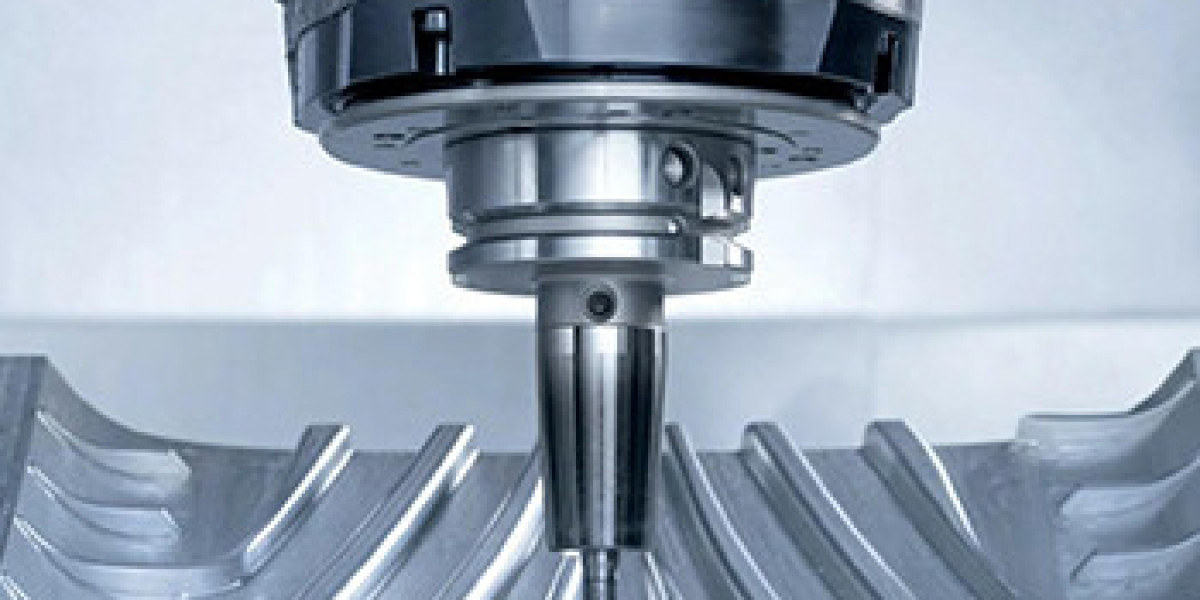
With advanced CNC machining technology, manufacturers can produce complex SUS316 parts with tight tolerances and consistent quality.
Its versatility makes SUS316 one of the most popular stainless steel choices for demanding applications.
SUS316 Machining Performance Review
After evaluating the material characteristics and typical applications, SUS316 machining performs very well in environments where corrosion resistance is the top priority. The finished parts usually offer excellent reliability, stable dimensions, and long service life.
However, buyers should understand that SUS316 machining requires experienced manufacturers. Because the material tends to harden during cutting, poor machining methods can lead to tool wear, lower efficiency, and inaccurate dimensions.
A professional machining supplier will usually optimize cutting speed, feed rate, cooling methods, and tool selection to achieve better results. In my view, choosing an experienced manufacturer is just as important as choosing the right material.
Another point worth mentioning is surface treatment. While SUS316 already has good corrosion resistance, additional polishing, passivation, or finishing processes can further improve appearance and performance for specialized applications.
Buying Advice for SUS316 Machining Services
When purchasing SUS316 machined parts, customers should consider several important factors instead of focusing only on price.
First, check the manufacturer’s machining experience. SUS316 is not a difficult material for experienced CNC suppliers, but it can become challenging when complex geometries, thin walls, or extremely tight tolerances are involved.
Second, review the manufacturer’s quality control process. Reliable suppliers should provide accurate inspection methods, material certification, and consistent production standards. For critical applications, verification of material grade and machining accuracy is essential.
Third, consider production capability. A good SUS316 machining supplier should have advanced CNC equipment, skilled engineers, and the ability to handle both prototype development and mass production.
Finally, evaluate communication and delivery reliability. A supplier that understands your technical requirements and provides clear production updates can help avoid unnecessary delays.