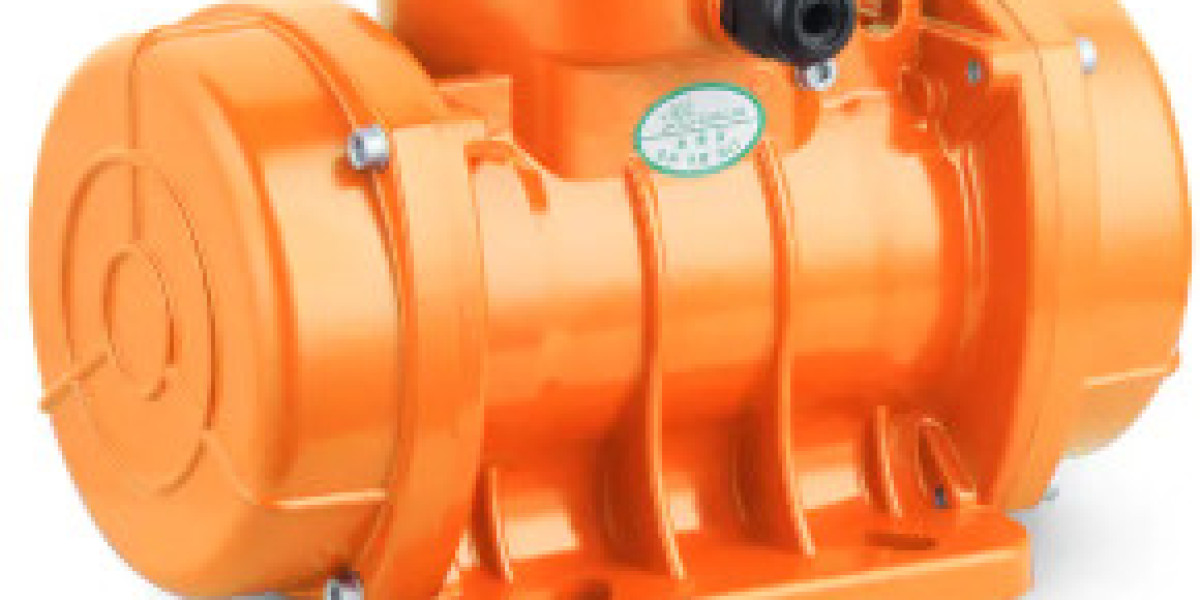

A bocking making vibrator motor works as part of the complete production process. Its performance is connected with factors such as concrete mixture, machine structure, installation method, and operating time. A motor that provides stable vibration throughout repeated cycles can help production teams maintain more consistent results.
Concrete materials do not always react in the same way. The amount of water, aggregate size, and mixture condition can change how vibration moves through the mould. A wetter mixture may require different vibration conditions compared with a drier mixture that needs more controlled compaction.
For operators, the goal is usually not simply creating stronger vibration. Excessive or unstable vibration may affect material distribution, while insufficient vibration can leave more air inside the concrete structure. Finding a suitable balance allows the moulding process to work more smoothly.
Installation conditions also influence how vibration energy is transferred. The connection between the motor and machine frame affects whether movement reaches the mould effectively. Mounting position, fastening condition, and frame stability are all related to daily operating performance.
During regular use, operators often pay attention to several simple signs. Changes in operating sound, unusual movement, loose mounting parts, or increased heat may indicate that inspection is needed. These observations help maintenance teams identify possible issues before they interrupt production schedules.
A bocking making vibrator motor used in continuous production environments also needs to handle repeated working cycles. Block machines may operate for many hours each day, meaning long-term stability becomes an important consideration during practical use.
Maintenance routines usually focus on keeping the vibration system in normal condition. Checking bolts, electrical connections, and operating temperature helps ensure that the equipment continues working as expected. Small adjustments made during daily maintenance can influence overall production consistency.
The relationship between vibration and block quality is created through many connected factors. The motor, moulding equipment, concrete mixture, and working environment all influence the final result. A stable vibration process helps production lines manage repeated forming operations more effectively and supports consistent block production during everyday manufacturing.