
Industrial hardware may look simple at first glance—bolts, brackets, hinges, fasteners, handles, and structural fittings—but anyone who has worked in manufacturing, construction, or equipment design knows these components quietly determine whether a system feels reliable, efficient, and safe. In my experience, industrial hardware is one of those product categories where the details matter far more than the marketing. The quality of a hinge affects the lifespan of a machine door; the precision of a fastener influences vibration resistance; the finish of a handle determines whether it withstands years of chemical exposure. That’s why evaluating industrial hardware requires a blend of technical understanding and practical observation.To get more news about Industrial Hardware, you can visit forndlock.com official website.
Core Characteristics of Industrial Hardware
The most defining trait of industrial hardware is durability. These components are engineered to survive harsh environments—heat, moisture, chemicals, abrasion, and constant mechanical stress. Stainless steel hardware, for example, offers corrosion resistance that makes it ideal for food processing or outdoor installations. Zinc‑alloy parts provide a balance of strength and cost efficiency. Heavy‑duty aluminum components are lightweight yet surprisingly resilient, especially in applications where weight reduction matters.
Another key characteristic is precision. Industrial hardware must fit seamlessly into larger systems, which means tolerances are tight. A misaligned bracket or poorly machined handle can cause operational inefficiencies or even safety hazards. High‑quality manufacturers typically emphasize CNC machining, uniform threading, and consistent surface finishing to ensure every piece performs identically.
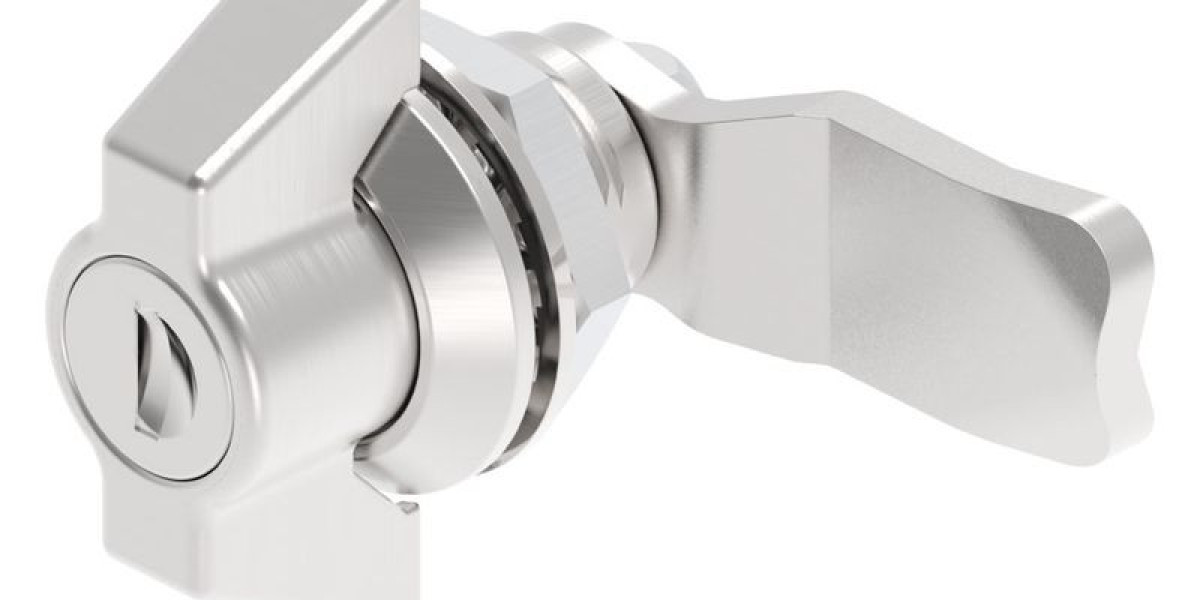
Finally, functionality plays a major role. Hardware is not just about strength—it must also be ergonomic, easy to install, and compatible with different industrial standards. For example, industrial handles often incorporate textured grips, reinforced mounting points, or chemical‑resistant coatings to meet specific operational needs.
Performance Review: How Industrial Hardware Holds Up
From my perspective, the best industrial hardware stands out in three areas: reliability, ease of integration, and long‑term performance.
Reliability: Good hardware feels solid the moment you handle it. A well‑constructed hinge opens smoothly without wobble. A properly machined fastener threads cleanly without resistance. Over time, these components maintain their structural integrity even under repetitive stress.
Ease of Integration: Industrial hardware should simplify installation, not complicate it. Components with standardized sizing, clear mounting points, and intuitive design reduce assembly time and minimize errors. This is especially important in large‑scale manufacturing where efficiency directly affects cost.
Long‑Term Performance: The real test of industrial hardware is how it behaves after months or years of use. High‑quality materials resist corrosion, coatings remain intact, and moving parts continue to operate smoothly. Inferior hardware often reveals itself through rust spots, loose fittings, or premature wear.
In my own evaluations, stainless steel hardware consistently performs best in demanding environments, while reinforced polymer components offer surprising longevity in applications where weight and corrosion resistance are priorities.
Buying Advice: How to Choose the Right Industrial Hardware
Selecting industrial hardware is not just about picking the strongest option—it’s about choosing the right component for the right job. Here are the factors I consider most important:
Material Selection: Stainless steel for corrosion resistance, aluminum for lightweight applications, zinc alloy for cost‑effective strength. Each material has a distinct advantage depending on the environment.
Load Requirements: Always check load ratings, torque limits, and stress tolerances. Over‑specifying leads to unnecessary cost; under‑specifying leads to failure.
Environmental Conditions: Exposure to chemicals, moisture, or extreme temperatures should guide your choice of coatings and finishes.
Compatibility: Ensure the hardware aligns with existing industrial standards, mounting systems, and equipment specifications.
Manufacturer Reputation: In industrial hardware, consistency matters. Established manufacturers typically offer better quality control and more reliable performance.
If you want to explore specific categories next—such as industrial handles, fasteners, or hinges—I can break down each type in detail.
Who Uses Industrial Hardware?
Industrial hardware serves a wide range of users:
Manufacturers who need reliable components for machinery and production lines
Construction professionals who rely on durable fittings for structural integrity
Equipment designers who require precise, ergonomic hardware for custom builds
Maintenance teams who depend on long‑lasting parts to reduce downtime
DIY industrial hobbyists who appreciate high‑quality components for personal projects
Each group values different aspects—manufacturers prioritize consistency, designers prioritize precision, and maintenance teams prioritize longevity. Understanding your role helps clarify which features matter most.