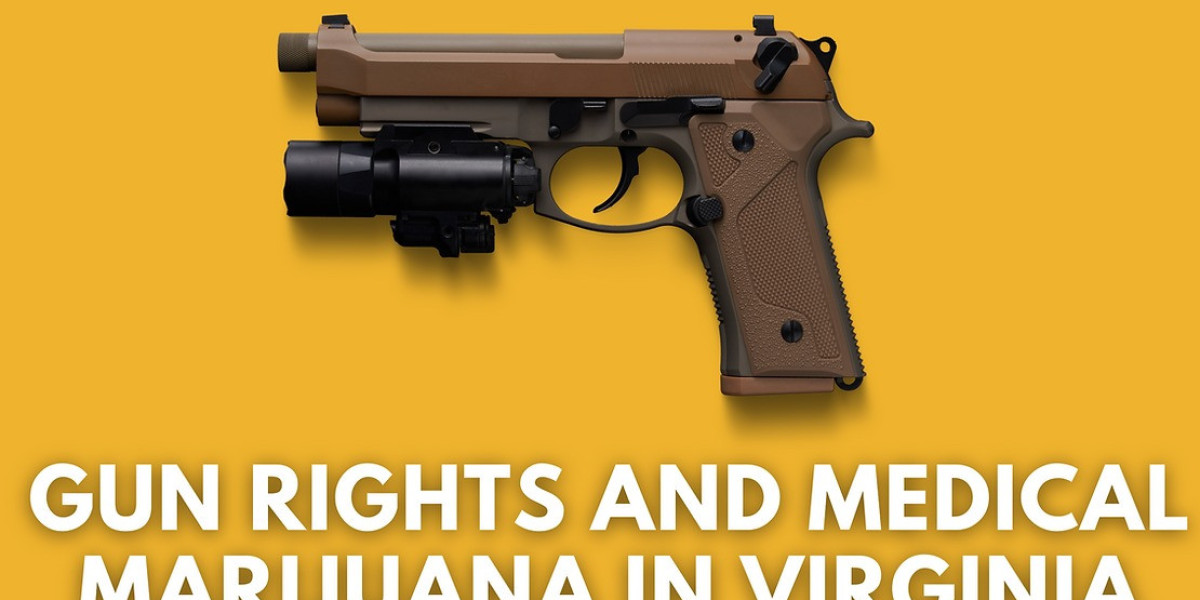

As medical cannabis programs continue to expand across the United States, many patients have questions about how state legalization interacts with federal law. One of the most common concerns involves firearm ownership and whether participating in a state medical marijuana program affects an individual's legal rights. Because cannabis remains illegal under federal law despite legalization in many states, this topic often creates confusion.
Understanding the relationship between medical cannabis and firearm regulations requires looking at both state and federal legal frameworks. While states establish their own medical marijuana programs, federal firearm laws still apply nationwide. Patients considering medical cannabis should educate themselves on these differences before making decisions regarding treatment or firearm ownership.
Knowing your legal responsibilities helps ensure informed decision-making while reducing misunderstandings about medical cannabis participation. Staying updated on current laws and consulting qualified legal professionals when necessary can provide additional clarity for individual circumstances.
Understanding Federal Firearm Laws and Medical Cannabis
One of the most frequently asked questions is do you lose your gun rights if you have a medical card. This concern exists because federal law continues to classify marijuana as a controlled substance, even in states where medical cannabis is legal. As a result, firearm regulations may be influenced by federal statutes rather than state medical cannabis laws alone. Patients should understand that legal interpretations can involve both state and federal considerations, making it important to stay informed about current regulations.
Another common concern involves family members and shared households. Many people ask can i own a gun if my wife has a medical card because they want to understand whether another household member's participation in a medical cannabis program affects their own firearm ownership. Since legal situations can vary based on individual circumstances, reviewing applicable laws and seeking professional legal guidance is often the best approach for those with specific questions.
Medical Cannabis Programs and Patient Responsibilities
Obtaining a virginia medical marijuana card allows qualified patients to legally access regulated medical cannabis products under Virginia law. Licensed healthcare practitioners evaluate patients based on qualifying medical conditions, and approved individuals may purchase lab-tested cannabis products from licensed dispensaries. Understanding program requirements helps patients participate responsibly while remaining informed about their legal obligations.
Questions regarding medical marijuana and gun ownership continue to generate significant public interest because multiple legal systems are involved. State medical cannabis laws and federal firearm regulations do not always align, creating uncertainty for many patients. Staying informed through reliable educational resources and consulting legal professionals when needed can help individuals better understand how these laws may apply to their specific circumstances.
Employment and Ongoing Patient Compliance
Firearm ownership is not the only legal concern for medical cannabis patients. Many individuals also wonder can a job fire you if you have a medical weed card as workplace policies regarding medical cannabis continue to evolve. Employment protections vary depending on state law, employer policies, job responsibilities, and federal regulations. Patients should familiarize themselves with applicable workplace policies and understand their rights before beginning treatment.
Maintaining an active certification is another important part of remaining compliant with Virginia's medical cannabis program. Patients looking to renew medical marijuanas card va online should begin the renewal process before their certification expires to avoid interruptions in legal access to medical cannabis. Following renewal requirements and staying informed about any regulatory updates helps ensure continued participation in the state's medical cannabis program.
Staying Informed About Changing Cannabis Laws
Medical cannabis laws continue to evolve across the country, and regulations may change over time through legislation or court decisions. Patients should regularly review official guidance and rely on reputable educational resources rather than assumptions or outdated information.
For individuals balancing medical cannabis treatment with other legal considerations, understanding both state and federal laws is essential. When questions involve firearms, employment, or other legal matters, consulting a qualified attorney can provide guidance tailored to an individual's specific circumstances.
Education remains one of the best tools for helping patients make informed decisions while responsibly participating in Virginia's medical cannabis program.
Conclusion
Questions surrounding medical cannabis and firearm ownership remain common because state legalization and federal law do not always align. Patients should understand that obtaining a medical marijuana certification may involve legal considerations beyond access to medical cannabis, particularly when federal firearm regulations are involved.
By staying informed, reviewing current laws, consulting qualified professionals when necessary, and following Virginia's medical cannabis regulations, patients can make educated decisions that support both their healthcare needs and legal responsibilities.