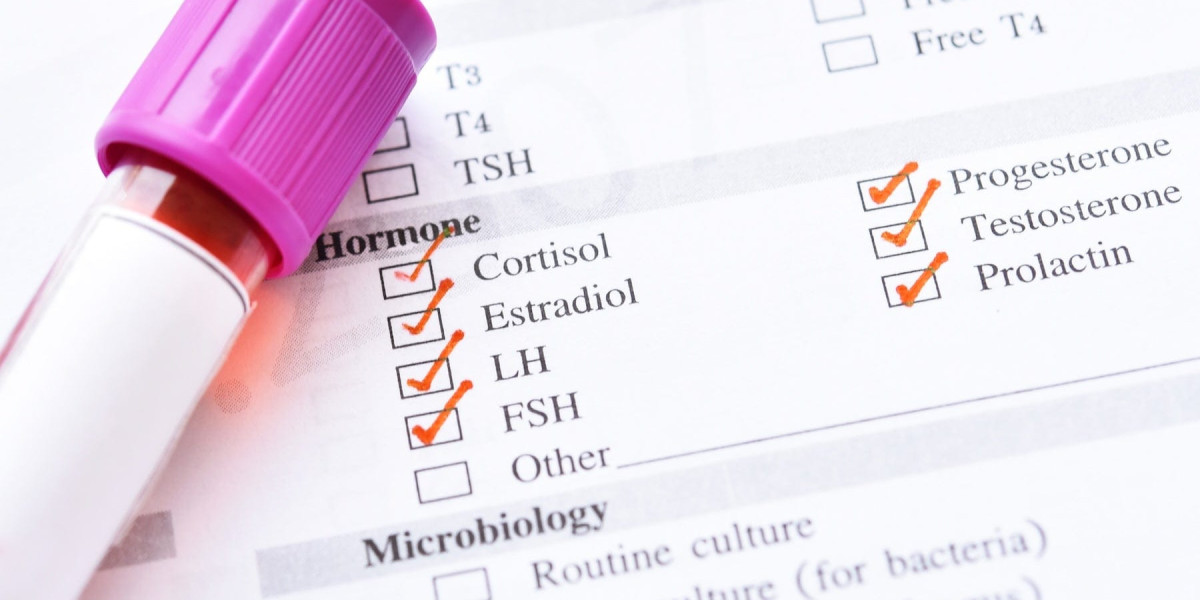

Hormones influence nearly every process in the human body, from regulating metabolism and blood pressure to controlling immune function and managing the body's response to stress. Among these essential hormones, cortisol stands out because of its widespread impact on physical and mental health. Produced by the adrenal glands, cortisol helps maintain balance during both everyday activities and periods of physical or emotional stress.
When cortisol levels become too high or too low, the body may begin showing symptoms that are often mistaken for unrelated health conditions. Persistent fatigue, unexplained weight changes, muscle weakness, mood disturbances, and blood pressure abnormalities may all be signs of a cortisol imbalance. A Cortisol Blood Test Dubai plays a crucial role in identifying these hormonal changes and helping healthcare providers determine their underlying cause.
Why Cortisol Balance Is Essential for Good Health?
Cortisol is a steroid hormone released by the adrenal glands under the control of the hypothalamus and pituitary gland. Together, these organs form the hypothalamic-pituitary-adrenal (HPA) axis, which carefully regulates cortisol production throughout the day.
Healthy cortisol levels contribute to:
Maintaining normal blood sugar levels
Supporting metabolism
Regulating blood pressure
Controlling inflammation
Strengthening immune function
Managing the body's stress response
Supporting cardiovascular health
Providing energy during illness and physical activity
Because cortisol influences several body systems simultaneously, an imbalance can have widespread effects on overall health.
What Is a Cortisol Blood Test?
A cortisol blood test measures the amount of cortisol circulating in the bloodstream at the time the sample is collected. Since cortisol naturally follows a circadian rhythm, blood samples are usually taken during the early morning when hormone levels are highest.
Healthcare providers use this laboratory test to evaluate adrenal gland function, investigate hormone imbalance, diagnose endocrine disorders, and monitor treatment for existing adrenal conditions.
The results are interpreted alongside symptoms, medical history, physical examination, and, when necessary, additional hormone testing.
Common Signs That May Suggest Cortisol Imbalance:
Cortisol disorders often develop gradually, making the symptoms easy to overlook. Many individuals attribute these changes to ageing, stress, or a demanding lifestyle.
Symptoms that may indicate abnormal cortisol production include:
Persistent Fatigue:
Feeling exhausted despite getting adequate sleep may indicate reduced cortisol production or adrenal insufficiency.
Unexplained Weight Changes:
High cortisol levels often contribute to weight gain around the abdomen, while cortisol deficiency may lead to unintentional weight loss.
Blood Pressure Abnormalities:
Excess cortisol can raise blood pressure, whereas low cortisol levels may result in chronic hypotension, dizziness, and fainting.
Mood and Cognitive Changes:
Hormonal imbalance may contribute to anxiety, depression, irritability, poor concentration, memory difficulties, and emotional instability.
Muscle Weakness:
Reduced muscle strength and difficulty performing routine activities can occur when cortisol production remains abnormal for an extended period.
Skin Changes:
Easy bruising, thinning skin, delayed wound healing, purple stretch marks, or darkened skin pigmentation may all signal endocrine dysfunction.
How the Test Helps Identify High Cortisol Levels?
Elevated cortisol production can occur because of adrenal gland disorders, pituitary abnormalities, prolonged steroid use, or chronic medical conditions.
A cortisol blood test helps healthcare providers identify excessive hormone production before complications become severe.
High cortisol levels may be associated with:
Cushing's syndrome
Adrenal tumours
Pituitary gland disorders
Chronic corticosteroid therapy
Severe physical illness
Early diagnosis enables appropriate treatment and helps reduce the risk of long-term complications such as diabetes, osteoporosis, hypertension, and cardiovascular disease.
How the Test Detects Low Cortisol Levels?
Insufficient cortisol production can be equally serious.
A cortisol blood test helps diagnose conditions involving reduced adrenal hormone production, including:
Addison's Disease:
This autoimmune or adrenal disorder prevents the adrenal glands from producing adequate cortisol.
Symptoms often include:
Chronic fatigue
Weight loss
Salt cravings
Low blood pressure
Dizziness
Nausea
Abdominal pain
Increased skin pigmentation
Adrenal Insufficiency:
Primary adrenal insufficiency results from damage to the adrenal glands, while secondary adrenal insufficiency occurs when the pituitary gland produces insufficient adrenocorticotropic hormone (ACTH).
Accurate laboratory testing helps distinguish between these conditions and guides appropriate treatment.
Why Timing Matters When Measuring Cortisol?
Unlike many routine blood tests, cortisol testing must account for the body's natural hormone rhythm.
Normally:
Cortisol peaks shortly after waking.
Levels decline steadily throughout the day.
The lowest concentrations occur late at night.
For this reason, healthcare providers usually schedule blood collection between 7:00 AM and 9:00 AM.
Testing at the recommended time increases diagnostic accuracy and improves interpretation of laboratory findings.
Factors That May Influence Test Results:
Several temporary factors can affect cortisol measurements.
These include:
Emotional stress
Acute illness
Recent surgery
Poor sleep
Vigorous exercise
Pregnancy
Steroid medication
Hormonal contraceptives
Hormone replacement therapy
Patients should always provide complete information about medications, supplements, and recent health events before undergoing testing.
Additional Tests That Complement a Cortisol Blood Test:
A cortisol blood test often serves as the starting point of a comprehensive endocrine evaluation.
Depending on the results, your healthcare provider may recommend additional investigations.
ACTH Blood Test:
Measures adrenocorticotropic hormone to determine whether hormone imbalance originates in the pituitary gland or adrenal glands.
ACTH Stimulation Test:
Evaluates how effectively the adrenal glands respond after receiving synthetic ACTH.
Salivary Cortisol Test:
Late-night saliva testing provides useful information about cortisol production patterns, particularly when investigating Cushing's syndrome.
Twenty-Four-Hour Urine Cortisol Test:
Measures total cortisol production throughout an entire day, helping confirm excessive hormone secretion.
Diagnostic Imaging:
CT scans and MRI examinations may be recommended when adrenal tumours or pituitary abnormalities are suspected.
Benefits of Early Identification:
Recognising cortisol imbalance before complications develop offers significant advantages.
Early diagnosis helps healthcare providers:
Begin treatment promptly
Prevent disease progression
Improve symptom control
Monitor hormone replacement therapy
Reduce unnecessary investigations
Improve long-term endocrine health
Lower the risk of cardiovascular complications
Patients also gain greater confidence by understanding the true cause of persistent symptoms.
How to Prepare for a Cortisol Blood Test?
Following preparation instructions helps ensure reliable results.
Before the test:
Attend the appointment at the recommended time.
Inform your healthcare provider about all medications.
Avoid strenuous exercise if advised.
Report recent illness or significant emotional stress.
Follow fasting instructions when required.
Stay hydrated unless instructed otherwise.
Careful preparation reduces the likelihood of inaccurate hormone measurements.
Frequently Asked Questions:
Is the cortisol blood test painful?
The procedure involves a routine blood draw and usually causes only mild, short-lived discomfort.
Can one abnormal result confirm a hormone disorder?
Not always. Additional laboratory tests, clinical evaluation, and imaging studies may be required before a diagnosis is confirmed.
Who should consider cortisol testing?
Individuals experiencing chronic fatigue, unexplained weight changes, muscle weakness, abnormal blood pressure, persistent mood changes, or symptoms suggesting adrenal gland dysfunction should discuss cortisol testing with a healthcare provider.
How quickly are results available?
Most laboratories report cortisol blood test results within one to three working days, although turnaround times may vary.
Conclusion:
A cortisol blood Lab tests is one of the most effective tools for identifying cortisol imbalances and evaluating the health of the adrenal glands and endocrine system. By accurately measuring hormone levels, the test helps healthcare providers diagnose conditions such as Addison's disease, Cushing's syndrome, adrenal insufficiency, and other disorders affecting cortisol production.
Because symptoms of hormonal imbalance often overlap with those of many other medical conditions, laboratory testing plays a vital role in reaching an accurate diagnosis. Combined with medical history, physical examination, and additional endocrine investigations, a cortisol blood test supports personalised treatment, early intervention, and better long-term health outcomes. If ongoing fatigue, unexplained weight changes, blood pressure abnormalities, or other concerning symptoms persist, discussing cortisol testing with your healthcare provider may be an important step towards restoring hormonal balance and protecting your overall well-being.