
Ranthambore National Park attracts wildlife lovers, photographers, and nature travelers from all over India and the world. The thrill of spotting a Bengal tiger inside a dense forest excites every traveler. The park covers a large area of dry forests, grasslands, lakes, and hills. The air smells fresh and earthy. Birds call from the trees. Deer walk near water bodies. Every moment feels alive here.
People come here not just for tigers. They come for peace. They come to feel the beauty of nature. They also come to learn how nature protects and supports animals and plants. A trip to Ranthambore also teaches the importance of wildlife conservation. The park gives hope that humans and animals can share the world without harming each other.
This travel guide covers every detail you need for a memorable tiger safari in Ranthambore. You will learn about the best time to visit, how to reach the park, safari zones, booking tips, costs, and suggested itineraries. Read this guide fully and plan your trip with ease.
Location and Background
Ranthambore National Park sits near Sawai Madhopur town in Rajasthan. The park spreads across an area of around 392 square kilometers. Hills, valleys, small rivers, and lakes shape the terrain here. Many years ago, Ranthambore served as a hunting ground for rulers. Later, the government declared it a protected national park to save tigers and other wild animals.
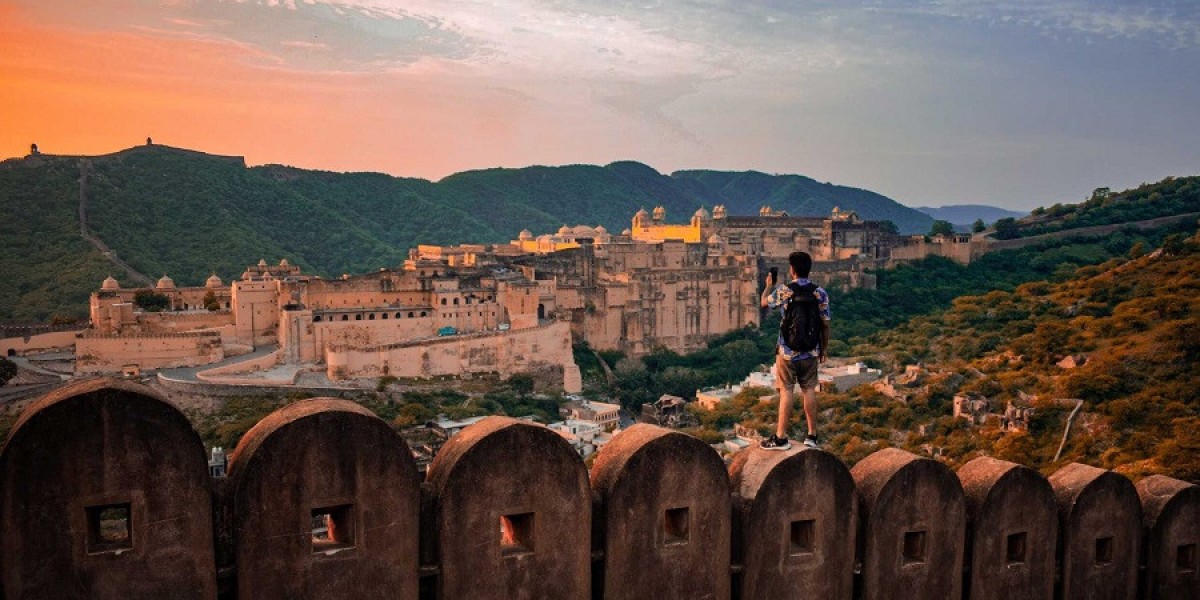
The main attraction inside the park is Ranthambore Fort. The fort stands high on a hill and looks over the forest. The view from the fort covers lakes, forests, and old ruins. Travelers often enjoy this mix of nature and history.
Many animals live here like tigers, leopards, sloth bears, jackals, sambars, deer, crocodiles, and many bird species. The natural environment supports these animals and helps them live freely. The beauty of Ranthambore lies in the fact that nature keeps working here every day without any noise or hurry.
People often talk about tiger sightings here. The park earned fame because of its growing tiger population. Each tiger has a name and identity. Guides know each tiger by face and pattern, making the safari more exciting. Every traveler hopes to get that one strong moment—when a tiger walks across the jeep path.
Best Time to Visit Ranthambore
The best time to visit Ranthambore depends on what kind of experience you want. Winter months from October to March bring cool and pleasant weather. Birds visit the region during these months. Safaris feel comfortable, and animal sightings remain frequent.
Summer months from April to June bring heat, sometimes very strong heat. Trees shed leaves, lakes dry slightly, and animals come near water sources. Many travelers spot tigers easily in summer because animals gather near ponds and lakes.
The park remains closed from July to September because of monsoon. The forest receives rainfall during these months. Roads become muddy. Forest authorities give this time for animals to move freely and for nature to regenerate.
So choose your time wisely:
For pleasant weather: October to March
For better chances of spotting tigers: April to June
Prepare your clothes accordingly. Bring warm clothes in winter and light cotton clothes in summer. Always carry a hat, sunglasses, and sunscreen.
How to Reach Ranthambore
Reaching Ranthambore feels quite easy because Sawai Madhopur connects to major travel routes in Rajasthan.
By Train
Sawai Madhopur Railway Station connects to many big cities like Delhi, Jaipur, Kota, and Mumbai. The station lies about 10 kilometers from the park. You can take a taxi or auto to your hotel or safari entry gate.
By Road
You can travel by car or bus from Jaipur, Kota, Delhi, Agra, or other nearby cities. Roads remain smooth, and the drive feels scenic.
By Air
The nearest airports:
Jaipur International Airport (approx. 180 km)
Kota Airport (approx. 110 km, fewer flights)
You can take a cab or bus from the airport to Sawai Madhopur.
The town offers hotels, safari counters, local markets, and meal options. Travel feels smooth and comfortable.
Safari Zones in Ranthambore
Ranthambore has several safari zones. Each zone has lakes, forest tracks, grasslands, and animal territories. The park divides into 10 safari zones. Every zone gives a different experience.
Zone Highlights (Brief)
Zone 1-5: These zones cover core forest areas. Many tiger sightings happen here.
Zone 6-10: These zones lie near buffer forests. They also offer tiger sightings and scenic views.
Do not worry if you do not get Zone 1-5. Tigers roam freely. Many travelers spot tigers in Zones 6-10 too. Every zone has unique beauty. Some zones have lakes. Some have open valleys. Some have dense tree cover.
Safari guides track fresh pugmarks. They listen to alarm calls from deer and monkeys. This helps them locate animals in real time.
Types of Safari Available
Travelers can choose between two types of vehicles for safari:
1. Gypsy (Jeep Safari)
Fits 6 people
Open and small vehicle
Easy movement along forest tracks
Best for photography and closer views
2. Canter Safari
Fits about 20 people
Good for groups or budget travelers
Both safaris run two times every day:
Morning Safari: Usually starts around sunrise
Evening Safari: Usually starts around late afternoon
Each safari lasts around 3.5 to 4 hours. The thrill doubles when the forest begins to wake up at sunrise or when animals stroll during dusk.
How to Book a Safari
You can book your safari in two ways:
Online Booking
The Rajasthan Forest Department runs an official website where you can select zone, date, and vehicle type. Online booking helps secure your seat early, especially in peak season.
Through Hotel or Travel Agent
Hotels in Sawai Madhopur also help in arranging safaris. They book according to availability.
Important Tips
Book at least 15 to 45 days in advance in busy seasons.
Bring a valid ID proof during safari.
Reach the boarding point 30 minutes early.
Safari availability depends on government rules and daily quotas. So early planning helps a lot.
Wildlife You Can Expect to See
While tigers remain the star attraction, Ranthambore hosts many other wild animals and birds.
Commonly Seen Animals
Bengal Tiger
Leopard
Sambar Deer
Spotted Deer
Nilgai (Blue Bull)
Wild Boar
Sloth Bear
Jackal
Hyena
Langur Monkey
Birds
Ranthambore attracts over 270 species of birds. You may see:
Peacocks spreading their feathers
Eagles soaring above the forest
Kingfishers near water bodies
Parakeets on branches
Reptiles
Marsh Crocodiles rest near lakes
Monitor Lizards walk near rocks
Every animal sighting tells a small story. The forest works like a living classroom where nature teaches patience and respect.
Must-Visit Attractions Inside the Park
Along with safari trails, Ranthambore offers many key spots worth visiting:
Ranthambore Fort
The fort stands high on a hill. Travelers climb steps to reach the top. The view from the top looks epic.
Padam Talao Lake
A calm lake often surrounded by deer, birds, and sometimes tigers.
Jogi Mahal
An old royal rest house near Padam Talao.
Raj Bagh Ruins
Broken walls, arches, and pillars that hint at ancient history.
These places show how nature and history blend in Ranthambore.
Where to Stay in Ranthambore
Sawai Madhopur and Ranthambore offer many stay options:
Budget hotels
Mid-range resorts
Luxury jungle lodges
Heritage-style stays
Choose your stay according to your budget. Many resorts offer nature views, bonfire nights, and Rajasthani meals. Some hotels offer safari booking support too.
Travel Tips for a Safe and Memorable Safari
Wear earthy or dull colors. Bright colors distract animals.
Stay silent during safari. Sound scares animals.
Do not stand up suddenly in the jeep.
Never feed animals.
Carry light snacks and water.
Keep your camera ready but do not frighten animals with sudden movement.
Follow your guide’s instructions always.
Respect the forest. The animals live here. We visit as guests.
Suggested 2-Day or 3-Day Itinerary
2-Day Itinerary
Day 1:
Arrive at Sawai Madhopur
Check in to hotel
Evening Safari
Dinner and rest
Day 2:
Morning Safari
Visit Ranthambore Fort
Lunch and return journey
3-Day Itinerary
Day 1:
Arrive and relax
Evening Safari
Day 2:
Morning Safari
Visit the fort and lakes
Evening Safari for more chances of sightings
Day 3:
Nature walk, village visit, souvenir shopping
Return journey
More safaris increase your chance of tiger sightings.
Cost and Budget Planning
Costs vary by season, hotel choice, and safari type.
Average Safari Costs (Approx):
Gypsy Safari: ₹1500 to ₹3500 per person
Canter Safari: ₹900 to ₹1500 per person
Stay Costs (Approx per night):
Budget Stay: ₹700 to ₹2000
Mid-Range: ₹2500 to ₹6000
Luxury Resorts: ₹10,000 to ₹25,000+
Food costs remain reasonable. Many resorts include breakfast.
Plan your budget based on:
Number of Safaris
Number of Nights
Travel Mode
Type of Hotel
Booking early helps you save money, especially in peak season.
Conclusion
Ranthambore National Park offers adventure, peace, learning, and unforgettable wildlife memories. The roar of the tiger, the call of birds, the rustling of leaves, and the warmth of the sun create magic here. A trip to this forest leaves you more connected with nature. Every traveler returns with a story. Many travelers also choose Rajasthan Tour Packages that include Ranthambore to enjoy its rich wildlife along with the cultural heritage of the state. Plan your trip with care, follow forest rules, and show respect to the animals. Ranthambore welcomes you with open arms and endless wonders.