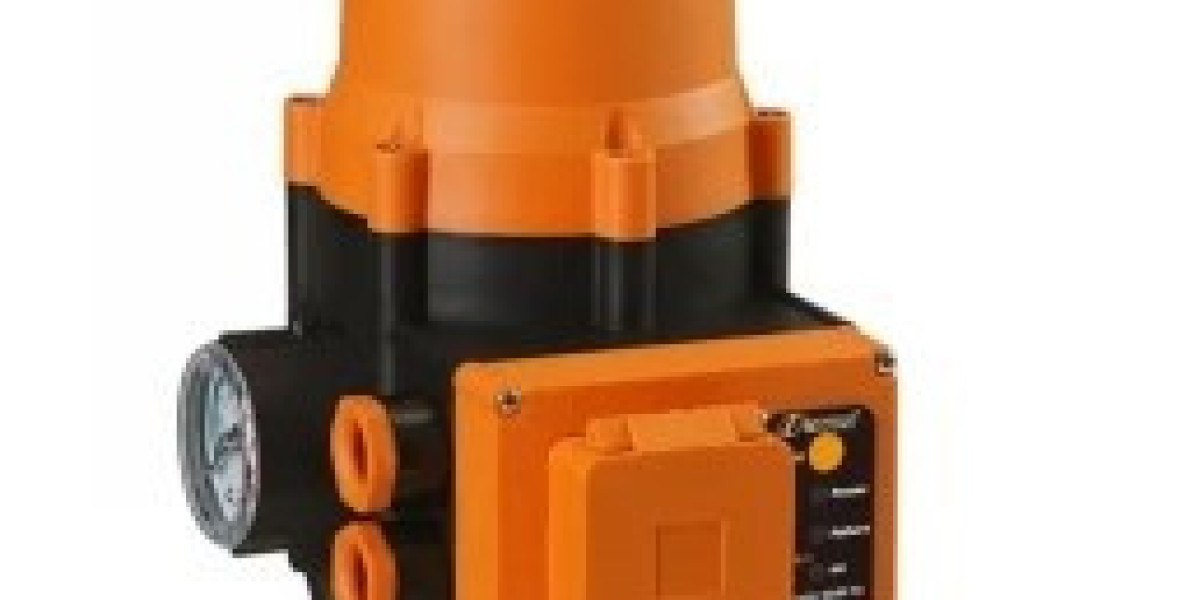

Reliable fluid management depends on accurate monitoring, suitable equipment, and convenient system control. In many pump applications, a Monro Switch can work alongside a Water Level Switch to help coordinate equipment operation according to changing system conditions. When a Monro Switch is combined with a properly selected Water Level Switch, users can create a more organized approach to pump management, helping maintain stable operation while reducing the need for constant manual attention across residential, commercial, agricultural, and industrial environments.
Understanding the Role of Fluid Control Components
Water systems often appear simple from the outside, but their internal operation can involve several interconnected components. Pumps, storage tanks, pipelines, valves, pressure controls, and monitoring devices all need to work together to achieve dependable performance.
Control components can help make this relationship easier to manage. Instead of relying entirely on manual observation, an automated system can respond to changes in pressure, water availability, or tank conditions.
This is particularly useful in systems where water demand changes throughout the day. A residential property may experience increased consumption during mornings and evenings, while agricultural installations can face significant changes according to irrigation schedules.
Commercial facilities may also have varying requirements. Restaurants, workshops, offices, and other buildings need dependable water access without requiring staff to monitor equipment continuously.
By introducing suitable control methods, users can create a more convenient operating process.
However, selecting the right components requires attention to the entire system. A control device should be compatible with the pump, tank, electrical configuration, and intended operating conditions.
Environmental factors should also be considered. Equipment installed outdoors may face moisture, temperature changes, dust, or vibration, while indoor installations may have different requirements.
A complete understanding of the application can therefore help users make more appropriate equipment decisions.
Improving Water Level Monitoring
Maintaining a suitable water level is important for many fluid systems. Storage tanks and reservoirs must often remain within a certain operating range to support continuous water availability.
If the level becomes too low, equipment may not operate as expected. In other situations, excessive filling can create unnecessary pressure on the storage system or lead to unwanted water loss.
Automatic level monitoring provides a practical way to address these concerns.
By detecting changes in water level, a suitable control arrangement can help determine when equipment should operate or stop. This can reduce the need for users to inspect tanks manually at frequent intervals.
Such functionality can be valuable in homes, agricultural facilities, and commercial properties.
For irrigation systems, maintaining an appropriate water level may help ensure that sufficient water is available when required. In commercial buildings, automatic monitoring can support more consistent water management.
Industrial systems may have more complex requirements. Storage tanks can be connected to multiple pipelines or processing systems, making reliable level management even more important.
The specific control method should always be selected according to the application. Tank size, fluid characteristics, operating range, and installation conditions can all influence equipment selection.
Proper setup is essential as well. Incorrect installation may lead to inaccurate readings or unexpected equipment behavior.
MONROSWITCH Approaches for Pump and Tank Applications
Modern fluid equipment manufacturers often seek solutions that combine reliable performance with straightforward installation and operation. This balance can be especially important for companies that integrate control components into larger systems.
MONROSWITCH focuses on practical products for applications involving pumps and fluid management.
When evaluating a control solution, buyers should consider several technical factors. These may include connection specifications, operating limits, electrical requirements, installation methods, and compatibility with existing equipment.
The expected working environment should also be reviewed carefully.
For example, equipment used in agricultural applications may need to operate under conditions that differ from those found in residential installations.
Manufacturers and system integrators may also require different product configurations depending on their equipment design.
Clear technical communication can help simplify the selection process. Buyers can provide information about their application, system layout, pump specifications, and expected operating conditions.
This information may allow suppliers to offer more relevant recommendations.
For larger projects, product samples and technical drawings can also be useful during the evaluation stage.
A careful selection process can reduce installation difficulties and help ensure that the control components function properly within the overall fluid system.
Applications Across Residential and Industrial Systems
The combination of pump control and level monitoring can support a wide range of applications.
In residential environments, automatic water management can make everyday life more convenient. Users may rely on pumps to supply water from wells, tanks, or other sources.
Agricultural operations often have more demanding requirements. Irrigation systems may depend on large storage tanks and scheduled water distribution.
In such applications, effective monitoring can help users manage available water resources more efficiently.
Commercial facilities may also benefit from automatic fluid management. Buildings with multiple water outlets can experience changing demand throughout the day, making consistent system control important.
Industrial applications can be even more specialized. Manufacturing facilities may use water tanks and pumps as part of production processes, cooling systems, cleaning operations, or other equipment arrangements.
In these situations, reliable monitoring can contribute to smoother operation.
Regardless of the industry, equipment should be selected based on actual working conditions rather than general assumptions.
Users should consider factors such as fluid type, tank capacity, pump specifications, installation location, and expected operating frequency.
Professional installation can also help ensure that the system is configured correctly from the beginning.
Creating a More Convenient Fluid Management Future
As technology develops, fluid management systems are becoming increasingly focused on automation, efficiency, and easier monitoring.
Modern users expect equipment to perform routine tasks with minimal manual intervention. At the same time, manufacturers are looking for ways to create systems that remain practical to operate and maintain.
Automatic control can contribute to both goals.
When equipment is properly selected and integrated, users may spend less time performing repetitive checks while gaining greater visibility into system conditions.
Future developments may also involve digital monitoring, remote alerts, and smart control technologies. These features could allow operators to receive information about water levels, pump activity, or unusual operating conditions more quickly.
However, advanced technology should not replace the importance of sound system design. Reliable performance still depends on suitable equipment, correct installation, routine inspection, and regular maintenance.
Businesses planning to improve their pump or water management systems should therefore consider both current needs and future expansion.
By choosing compatible components and establishing a well-organized control strategy, users can create fluid systems that are easier to operate and maintain over the long term.
For more information about pump control and fluid management products, visit https://www.monroswitch.com/ to explore available solutions and learn how suitable equipment can support different water supply, tank monitoring, and pump applications.