
The global interest in sustainable building materials is reshaping the fireclay tiles market, projected to grow from a market size of USD 3.72 billion in 2024 to USD 6.692 billion by 2035. This growth reflects an impressive compound annual growth rate (CAGR) of 5.48%. As consumers increasingly prioritize eco-friendly options, the demand for fireclay tiles in both residential and commercial sectors is gaining momentum. These tiles, known for their durability and aesthetic appeal, are being adopted in various design contexts, further enhancing their market appeal. The fireclay tiles market analysis indicates robust opportunities for stakeholders looking to capitalize on these trends, driving both innovation and investment in this lucrative sector.
In this evolving market landscape, key players are making significant strides. Leading market players include Fireclay Tile (US), Daltile (US), and American Olean (US), who are leveraging advanced manufacturing techniques to meet the rising demand for customized designs. Additionally, European manufacturers like Marazzi (IT) and Ragno (IT) are expanding their footprint in North America, while Porcelanosa (ES) and Ceramiche Caesar (IT) are exploring growth opportunities in emerging markets. The competitive landscape is further defined by companies like Emser Tile (US) and Interceramic (MX), who are enhancing their market share through strategic partnerships and robust distribution networks.
Several market dynamics are propelling the growth of fireclay tiles. Firstly, the emphasis on sustainability is influencing purchasing decisions. Consumers are not only seeking aesthetically pleasing options but are also inclined towards materials that contribute to environmentally-friendly construction practices. Secondly, customization trends are becoming increasingly significant, allowing homeowners and designers to create unique spaces tailored to individual preferences. Challenges such as fluctuating raw material costs and competition from alternative materials pose risks to market stability. However, the rise in construction activities, particularly in North America and Asia-Pacific, mitigates these concerns and provides a counterbalance to potential disruptions.
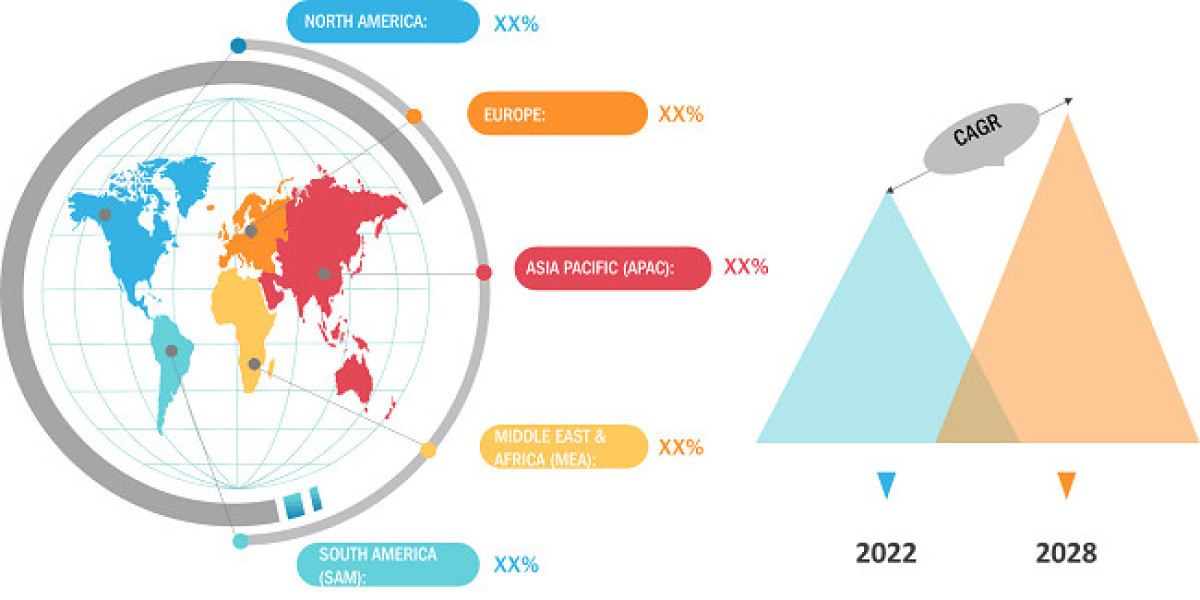
Geographically, North America remains the largest market for fireclay tiles, accounting for a substantial portion of the overall demand. The region's strong focus on remodeling and new residential projects contributes to the growth trajectory. Meanwhile, the Asia-Pacific region is emerging as the fastest-growing market, driven by rapid urbanization and a booming construction sector. Countries like China and India are witnessing a surge in demand for fireclay tiles, fueled by rising disposable incomes and changing consumer preferences towards high-quality designs. This regional analysis highlights the divergent growth patterns, underscoring the importance of tailored strategies for various markets. The development of Fireclay Tiles Market continues to influence strategic direction within the sector.
Investment opportunities in the fireclay tiles market are plentiful. As the focus on sustainability persists, manufacturers who innovate with eco-friendly production processes can capture a larger market share. Additionally, the increasing demand for residential fireclay tiles is complemented by the growing commercial segment, which is experiencing rapid growth due to evolving design preferences. The future outlook for this market remains optimistic, with projections indicating a continued upward trend through 2035.
Recent statistics reveal that the green building materials market, of which fireclay tiles are a part, is expected to reach USD 1 trillion by 2027, growing at a CAGR of 11.4%. This surge is being driven by an increasing number of governments implementing regulations and incentives to encourage sustainable construction practices. For instance, in the United States, the Energy Policy Act of 2005 and various state-level initiatives promote the use of sustainable materials in construction projects, further propelling the demand for eco-friendly products like fireclay tiles. As architects and builders prioritize sustainability, the cause-and-effect relationship becomes evident: heightened awareness and regulatory support lead to increased investment and innovation in sustainable materials, driving market growth.
Moreover, the impact of the COVID-19 pandemic has also accelerated the trend toward sustainable building practices. A survey conducted by the World Green Building Council indicated that 83% of builders are now more focused on sustainability as a result of the pandemic. This shift has led to a notable increase in demand for fireclay tiles, as consumers seek materials that are not only aesthetically pleasing and durable but also environmentally responsible. As the market continues to evolve, the integration of sustainable practices in the construction industry is expected to create a ripple effect, influencing purchasing behavior and fostering a more sustainable future within the fireclay tiles market.
Looking ahead, the fireclay tiles market is poised for significant advancements. Experts suggest that technological innovations, such as the incorporation of smart materials, will play a crucial role in enhancing product offerings. Furthermore, as consumer awareness around sustainability rises, companies that prioritize eco-friendly practices will likely see a positive impact on their market share. anticipates that the developments in this sector will align with global sustainability goals, steering the industry towards a more responsible future.
AI Impact Analysis
Artificial intelligence (AI) is increasingly influencing the fireclay tiles market, particularly in design and customer engagement. AI-driven design tools allow customers to visualize their selections in real-time, enhancing the customization experience. Additionally, predictive analytics helps manufacturers forecast demand trends, optimizing production processes and inventory management. By integrating AI technologies, companies can streamline operations and respond more effectively to shifts in consumer preferences, ultimately leading to increased profitability.
Frequently Asked Questions
Browse for reports: