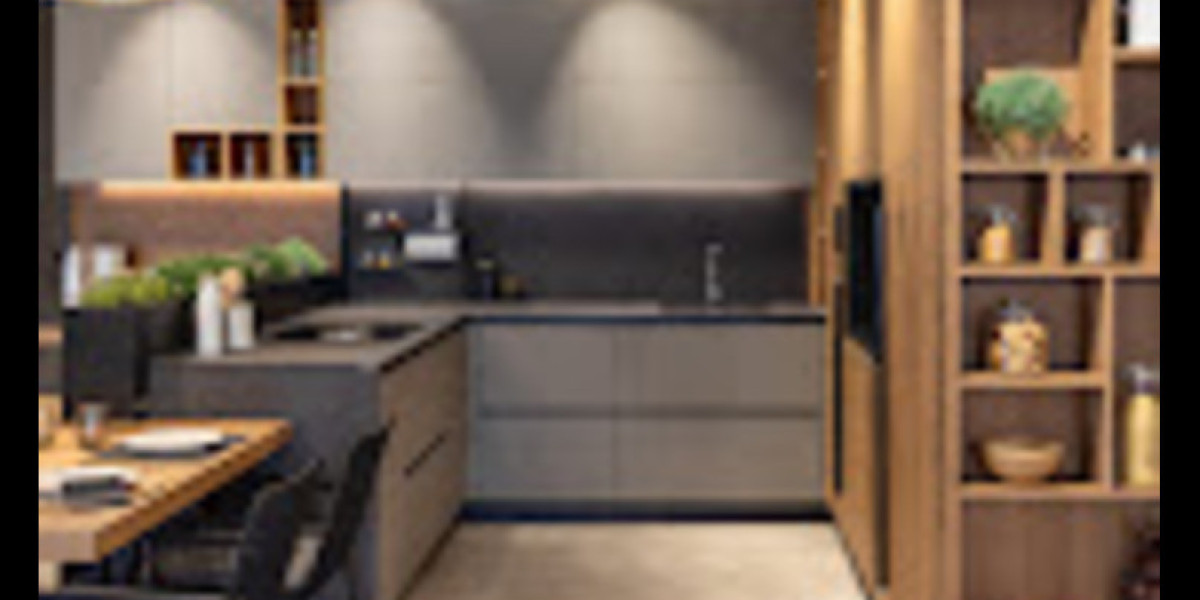

A kitchen island has become one of the most desirable features in modern kitchen design. It offers additional workspace, creates a central gathering point, and adds character to the room. However, choosing the right kitchen island size is just as important as selecting its appearance. An island that is too large can make movement difficult, while one that is too small may not provide the functionality you need.
The ideal kitchen island should complement the overall layout rather than dominate it. Careful planning ensures the space remains practical, comfortable, and visually balanced for everyday living.
Why Kitchen Island Size Matters
The kitchen is one of the busiest areas of any home. Cooking, cleaning, dining, and socialising often take place in the same space, making efficient movement essential. The size of a kitchen island directly influences how easily people can move around the room and complete daily tasks.
An oversized island can create narrow walkways and make cabinets or appliances difficult to access. On the other hand, an island that is too compact may leave little room for food preparation or storage. Finding the right proportions allows the island to enhance the kitchen instead of limiting its usability.
A well-sized island creates harmony between function and design, making the room feel spacious while providing valuable working space.
Planning Around Available Space
Before deciding on the dimensions of a kitchen island, it is important to consider the available floor space. Every kitchen has a unique layout, and the island should fit naturally within it.
Sufficient clearance around the island allows cabinet doors, drawers, and appliances to open comfortably. It also provides enough room for multiple people to work together without feeling crowded. Good circulation improves safety and makes everyday cooking more enjoyable.
Instead of focusing only on the island itself, successful planning considers how every part of the kitchen works together as one complete environment.
Matching the Island to Your Lifestyle
The ideal kitchen island size depends largely on how the space will be used. Some households require a large preparation area for frequent cooking, while others prefer additional seating where family members can gather throughout the day.
For those who enjoy entertaining guests, a larger island can provide space for serving food and encouraging conversation. Families with children often appreciate an island that combines meal preparation with casual dining or homework activities.
Storage requirements also influence the final design. Larger islands can include cupboards, drawers, shelving, or built-in appliances, helping to keep the kitchen organised without sacrificing style.
Creating Comfortable Seating
Many kitchen islands serve as informal dining areas. Whether used for breakfast, quick meals, or social gatherings, comfortable seating requires thoughtful planning.
Each person should have enough personal space to sit comfortably without feeling restricted. Legroom is equally important, ensuring that seating remains practical for everyday use.
The height of the island should also match its intended purpose. A standard work surface may suit food preparation, while a raised section can create a more defined dining or serving area. Selecting the appropriate design helps the island accommodate different activities with ease.
Balancing Design and Practicality
A kitchen island should never be chosen purely for its visual appeal. Although an impressive centrepiece can enhance the overall design, practicality remains the foundation of a successful kitchen.
The proportions of the island should complement surrounding cabinets, worktops, and appliances. Balanced dimensions create a more harmonious appearance and prevent the room from feeling crowded or uneven.
Materials also play an important role. Durable surfaces, quality craftsmanship, and carefully selected finishes ensure the island remains attractive even after years of daily use.
A timeless design often proves more valuable than following short-lived trends, offering lasting beauty while maintaining everyday functionality.
Storage Solutions That Add Value
One of the greatest advantages of a kitchen island is the opportunity to increase storage without expanding the overall footprint of the kitchen.
Deep drawers provide convenient access to cookware, while cupboards can store larger items that are not used every day. Open shelving offers space for decorative accessories, cookbooks, or frequently used kitchen essentials.
Thoughtfully designed storage keeps worktops clear, making the kitchen feel cleaner and more organised. The right kitchen island size allows storage to be incorporated naturally without compromising comfort or movement.
Custom Designs Make the Difference
No two kitchens are exactly alike. Every household has different cooking habits, available space, and design preferences. For this reason, custom-made kitchen islands often provide the best solution.
A bespoke island can be tailored to suit the exact dimensions of the room while reflecting the owner's lifestyle and aesthetic preferences. It can incorporate additional storage, integrated appliances, seating areas, or unique design features that would be difficult to achieve with standard furniture.
Quality craftsmanship also ensures durability, allowing the island to remain both beautiful and functional for many years.
Investing in Long-Term Comfort
Choosing the correct kitchen island size is an investment in everyday comfort rather than simply a design decision. A thoughtfully planned island improves workflow, supports family activities, and creates a welcoming environment for both daily routines and special occasions.
When paired with expertly crafted kitchen furniture, the right island becomes the heart of the home. It brings together preparation, dining, storage, and conversation in one carefully designed space.
A kitchen should adapt to the people who use it, and the island plays a central role in achieving that goal. By focusing on balanced proportions, practical features, and quality construction, homeowners can enjoy a kitchen that remains efficient, elegant, and enjoyable for years to come.