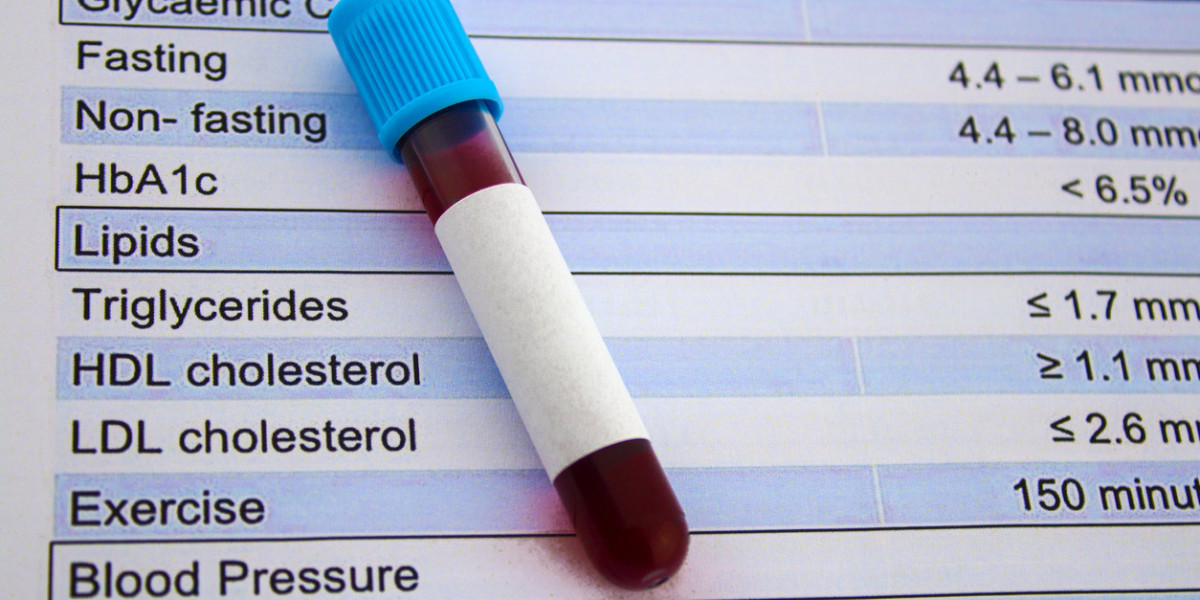

Your blood is one of the most important parts of your body. It carries oxygen, nutrients, hormones, and immune cells to every organ while removing waste products that your body no longer needs. Because blood travels through every system, even small changes in its composition can reveal valuable information about your health. This is why doctors often recommend a Full Blood Test in Dubai as part of routine health screening or when investigating unexplained symptoms.
Many people hear medical terms like Complete Blood Count (CBC), cholesterol profile, or liver function test and assume they are complicated. In reality, a full blood test simply helps healthcare professionals understand how well your body is working. Learning the basics of blood health makes it easier to understand your laboratory results and appreciate the importance of regular preventive care.
What Is a Full Blood Test in Everyday Language?
Think of a full blood test as a detailed health report created from a small sample of your blood. Instead of checking just one thing, the laboratory measures several important markers that reflect the condition of your blood cells, organs, metabolism, and immune system.
A comprehensive blood test can help identify infections, nutritional deficiencies, diabetes, high cholesterol, kidney problems, liver disease, inflammation, thyroid disorders, and many other health conditions before noticeable symptoms appear.
Because blood changes when something is wrong inside the body, this simple test often provides doctors with valuable clues that guide further diagnosis and treatment.
Meet the Main Components of Your Blood:
Understanding the basic parts of your blood helps explain why different blood test results matter.
Red Blood Cells:
Red blood cells transport oxygen from your lungs to every tissue in your body. Without enough healthy red blood cells, your muscles and organs receive less oxygen, often causing tiredness, weakness, dizziness, or shortness of breath.
Low red blood cell counts may indicate anemia, iron deficiency, vitamin B12 deficiency, or blood loss. High levels can sometimes occur because of dehydration or certain medical conditions.
White Blood Cells:
White blood cells are your body's natural defense against bacteria, viruses, fungi, and other harmful organisms. They play an essential role in protecting you from infections.
An increased white blood cell count often suggests infection or inflammation, while unusually low levels may result from certain medications, viral illnesses, or bone marrow disorders.
Platelets:
Platelets are tiny blood components responsible for helping blood clot after an injury. They prevent excessive bleeding by forming clots that seal damaged blood vessels.
Too few platelets may increase bleeding risk, while very high platelet levels can sometimes increase the likelihood of unwanted blood clots.
Plasma:
Plasma is the liquid portion of blood. It carries proteins, nutrients, hormones, electrolytes, and waste products throughout the body, ensuring that every organ receives what it needs to function properly.
What Can a Full Blood Test Reveal?
A full blood test provides far more information than many people realize. Rather than looking for a single disease, it evaluates multiple aspects of your health simultaneously.
Common conditions detected through routine blood testing include:
- Iron deficiency anemia
- Vitamin D deficiency
- Vitamin B12 deficiency
- Diabetes
- Prediabetes
- High cholesterol
- Kidney disease
- Liver disease
- Thyroid disorders
- Bacterial infections
- Viral infections
- Chronic inflammation
- Blood disorders
Early detection allows treatment to begin before complications develop, making routine blood screening an important part of preventive healthcare.
Understanding Common Blood Tests:
A comprehensive blood panel usually contains several individual laboratory tests. Each one focuses on a different aspect of your health.
Complete Blood Count (CBC):
The Complete Blood Count measures the number and quality of your blood cells.
It evaluates:
- Red blood cells
- White blood cells
- Platelets
- Hemoglobin
- Hematocrit
- Mean corpuscular volume
These measurements help diagnose anemia, infections, inflammation, immune disorders, and blood diseases.
Blood Sugar Test:
Blood glucose testing measures the amount of sugar circulating in your bloodstream. Elevated levels may indicate diabetes or prediabetes, while unusually low levels may require further medical evaluation.
Lipid Profile:
A lipid profile measures cholesterol and triglyceride levels to assess cardiovascular health.
The report usually includes:
- Total cholesterol
- LDL cholesterol
- HDL cholesterol
- Triglycerides
Maintaining healthy cholesterol reduces the risk of heart disease and stroke.
Liver Function Test:
Your liver processes nutrients, filters toxins, and produces important proteins.
Liver function tests measure enzymes and proteins that indicate whether your liver is working properly.
Kidney Function Test:
Kidney tests measure creatinine, blood urea nitrogen, and estimated glomerular filtration rate to evaluate how effectively your kidneys filter waste from the bloodstream.
Why Blood Health Reflects Overall Wellness?
Blood connects every organ in your body. Because of this, changes in blood composition often reflect changes occurring elsewhere.
For example:
Poor nutrition may reduce iron or vitamin levels.
Dehydration can affect electrolyte balance.
High cholesterol may increase cardiovascular risk.
Uncontrolled diabetes changes blood glucose levels.
Kidney disease alters waste product concentrations.
Liver disease increases certain enzymes.
Rather than examining each organ separately, a full blood test provides a broad overview of your body's overall health.
Symptoms That May Indicate You Need a Blood Test:
Although routine screening is recommended even for healthy adults, certain symptoms often prompt doctors to request blood tests.
These include:
- Constant fatigue
- Weakness
- Frequent infections
- Unexplained weight loss
- Persistent fever
- Dizziness
- Pale skin
- Easy bruising
- Hair loss
- Difficulty concentrating
- Increased thirst
- Frequent urination
These symptoms may result from many different medical conditions, making blood testing an important first step toward diagnosis.
Can Lifestyle Affect Blood Test Results?
Absolutely. Daily habits have a direct impact on blood health.
Healthy eating supports balanced cholesterol, blood sugar, vitamins, and mineral levels.
Regular physical activity improves cardiovascular health and glucose control.
Adequate hydration helps maintain normal electrolyte balance and supports kidney function.
Poor sleep, smoking, excessive alcohol intake, and chronic stress may negatively influence several blood markers, including inflammation and metabolic health.
Small lifestyle improvements often produce noticeable changes in future blood test results.
How to Prepare for a Full Blood Test?
Preparation depends on the specific laboratory investigations requested by your doctor.
To obtain accurate results:
- Drink enough water before your appointment.
- Follow fasting instructions if required.
- Avoid alcohol before testing.
- Inform your healthcare provider about medications and supplements.
- Wear clothing with sleeves that can easily be rolled up.
- Arrive relaxed to reduce unnecessary stress.
Following these simple recommendations helps improve the accuracy of laboratory measurements.
Making Sense of Your Blood Test Report:
Receiving a laboratory report filled with numbers can feel confusing, but understanding a few basic principles makes interpretation easier.
Every laboratory provides a reference range for each test. These ranges represent typical values found in healthy individuals.
Results slightly above or below the reference range do not automatically indicate illness. Factors such as age, gender, medications, pregnancy, hydration status, and temporary illness can influence laboratory values.
For this reason, doctors always interpret blood test results alongside your symptoms, medical history, and physical examination rather than relying on a single number.
How Often Should Blood Health Be Checked?
There is no single schedule suitable for everyone.
Healthy adults often benefit from comprehensive blood screening every one to three years.
People over 40 years of age frequently undergo annual preventive health assessments.
Individuals with chronic diseases such as diabetes, hypertension, thyroid disorders, kidney disease, or high cholesterol usually require blood tests more often to monitor treatment effectiveness and disease progression.
Your healthcare provider will recommend an appropriate testing schedule based on your individual health needs.
Simple Habits That Support Healthy Blood:
Maintaining healthy blood does not require complicated routines. Consistent healthy habits make a significant difference over time.
Focus on:
- Eating nutrient-rich foods
- Including iron-rich vegetables and lean proteins
- Staying physically active
- Drinking enough water daily
- Getting quality sleep
- Managing stress
- Avoiding smoking
- Limiting processed foods and excessive sugar
- Attending regular health checkups
These habits contribute to healthier blood cells, balanced cholesterol, stable blood glucose, and improved organ function.
Final Thoughts:
Understanding blood health does not have to be complicated. A full blood Lab tests offers a simple yet comprehensive way to assess how your body is functioning by examining blood cells, organ health, blood sugar, cholesterol, and other essential biomarkers. It helps detect hidden health problems, monitor ongoing medical conditions, and guide preventive healthcare decisions before symptoms become serious.
Regular blood testing, combined with healthy lifestyle choices and routine medical checkups, empowers you to take control of your wellbeing. By learning what your blood can reveal, you gain valuable insight into your overall health and create a stronger foundation for a healthier future.