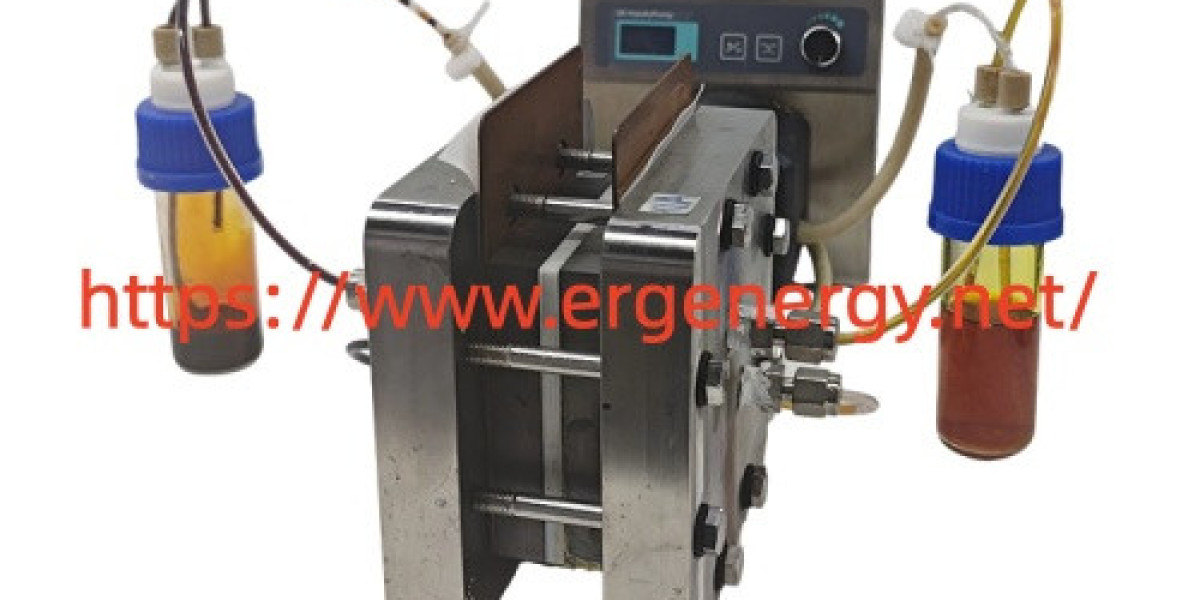

Vanadium Stacks For Energy Storage offer a method for holding power over extended periods in utility settings. Grid operators look at different technologies when planning ways to manage supply from sources that vary during the day and across seasons. Factors such as duration of discharge, cycle life and safety records influence decisions at this scale.
Discussions around grid scale storage often center on matching output with demand patterns. Systems need to handle shifts without interrupting service to homes and businesses. Solutions draw attention because of their ability to support repeated charge and discharge cycles under controlled conditions. Engineers note the liquid form involved allows adjustments in capacity by changing electrolyte volumes which can suit different project sizes.
Teams review site specific details such as temperature ranges and connection needs before suggesting configurations. This approach helps utilities align storage additions with existing infrastructure. In practice many projects use these stacks to store excess generation during high production times and release it when consumption rises. This process contributes to smoother operations across transmission networks. Maintenance involves regular checks on pumps and sensors which Ergenergy incorporates into support guidance provided to clients. Operators appreciate the transparency in performance data that allows tracking over months and years of service.
Another area of interest involves pairing with solar and wind installations where output fluctuates. Storage helps capture energy that might otherwise go unused and delivers it according to scheduled needs. Consultation on system sizing ensures that capacities match intended uses without unnecessary excess. Experience covers various deployment scenarios from pilot installations to larger arrays.
Safety remains a key consideration at grid level where large amounts of energy are involved. The chemistry in these stacks operates at ambient temperatures and uses non flammable electrolytes which aligns with many facility standards. This characteristic supports siting flexibility in different locations.
Project developers also evaluate total ownership costs including initial setup and ongoing operations. Stacks allow for electrolyte reuse which can extend service intervals. Documentation presents these aspects clearly for planning teams reviewing multiple proposals.
As more regions set targets for reliable renewable integration the conversation around storage options continues. Utilities gather data from operating sites to compare technologies under local conditions. Factors such as response time and efficiency at partial loads receive attention during evaluations.
Continued monitoring and adjustments help advance deployment strategies across different markets. The process includes quality controls at each production stage to support consistent output. Ergenergy maintains focus on these practical aspects during development.
Overall the consideration given to these stacks stems from their operational characteristics that fit many grid requirements.
For details on available configurations and project support visit https://www.ergenergy.net/