
Preparing for marriage involves more than selecting a venue or organizing a guest list. It also means taking important steps to protect your health and the health of your future family. One of the most valuable preventive healthcare measures before marriage is completing a marriage blood test. Often called a Marriage Blood Test in Dubai or pre-marital health screening, this examination helps identify inherited genetic conditions, infectious diseases, blood disorders, blood group compatibility, and other health factors that may affect married life or future pregnancies.
Although the blood collection itself is quick, proper preparation helps ensure accurate laboratory results and a smooth testing experience. Many couples are unsure about fasting requirements, medications, medical history, or what to expect on the day of the appointment. Understanding how to prepare in advance can reduce stress and make the entire screening process more comfortable.
This practical guide explains how to prepare for a marriage blood test, from scheduling the appointment to understanding what happens after the screening.
Begin Preparing Several Weeks Before the Appointment:
Good preparation starts well before the day of your laboratory visit.
Scheduling your premarital health screening several weeks before the wedding provides enough time for follow-up consultations, additional laboratory investigations, vaccinations, or treatment if needed.
Early preparation also allows couples to discuss any concerns with their healthcare provider without feeling rushed by upcoming wedding plans.
Starting early supports better decision-making and ensures any unexpected findings can be addressed before marriage.
Learn Which Tests Are Included:
Preparation becomes easier when you understand what your healthcare provider has requested.
A marriage blood test often includes several laboratory investigations such as:
Blood group testing
Rh factor determination
Complete Blood Count (CBC)
HIV screening
Hepatitis B testing
Hepatitis C testing
Syphilis screening
Genetic carrier screening
Additional blood chemistry tests when appropriate
Knowing the purpose of each investigation helps couples feel more confident throughout the process.
Discuss Your Medical History Honestly:
One of the most important preparation steps happens before any blood is collected.
Healthcare providers usually ask questions about:
Previous illnesses
Chronic medical conditions
Current medications
Allergies
Previous surgeries
Family history of inherited disorders
Past pregnancies
Lifestyle habits
Providing complete and accurate information allows healthcare professionals to recommend the most appropriate laboratory tests and correctly interpret the results.
Understand Fasting Requirements:
Not every marriage blood test requires fasting.
Some routine investigations, including blood group testing and many infectious disease screenings, can often be performed without fasting. However, if additional blood chemistry tests such as blood glucose or lipid profile are included, your healthcare provider may recommend fasting for several hours.
Always follow the specific instructions provided by your doctor or laboratory rather than making assumptions.
If fasting is required:
Drink plain water unless instructed otherwise.
Avoid food during the recommended fasting period.
Do not consume sugary beverages.
Follow the exact fasting duration recommended by your healthcare provider.
Proper preparation helps improve the accuracy of laboratory findings.
Stay Well Hydrated:
Drinking enough water before your appointment offers several benefits.
Good hydration makes veins easier to locate, allowing blood collection to proceed more smoothly.
Remaining hydrated may also reduce discomfort during the procedure and help prevent lightheadedness afterward.
Unless fasting instructions specifically limit fluid intake, plain water is generally encouraged before blood collection.
Review Your Medications:
Certain medications and nutritional supplements can influence laboratory results.
Before your appointment, prepare a complete list of:
Prescription medications
Over-the-counter medicines
Vitamins
Herbal supplements
Iron supplements
Blood-thinning medications
Never stop taking prescribed medication unless your healthcare provider specifically instructs you to do so.
Instead, inform the medical team about everything you are currently taking so they can interpret your results appropriately.
Prepare Your Medical Documents:
Bringing the necessary documents helps avoid delays during registration.
Useful items include:
Government-issued identification
Health insurance information if applicable
Referral forms
Previous laboratory reports
Vaccination records
Medical history documents
Having these records available allows healthcare providers to compare previous findings with current results when necessary.
Choose Comfortable Clothing:
Simple clothing choices can make your appointment easier.
Wear a shirt with sleeves that can be rolled up comfortably, allowing easy access to the arm for blood collection.
Loose-fitting clothing also improves comfort during the visit and helps reduce unnecessary stress.
Avoid wearing tight sleeves that may interfere with sample collection.
Get Enough Sleep the Night Before:
Quality sleep supports overall well-being and helps you feel more relaxed during your appointment.
Poor sleep may contribute to fatigue, anxiety, or dehydration, making the experience less comfortable.
Aim for a full night's rest before your scheduled screening, especially if you have several laboratory tests planned.
Eat Wisely Before Non-Fasting Tests:
If fasting is not required, eating a balanced meal before your appointment may help maintain energy levels.
Choose nutritious foods such as:
Whole grains
Fresh fruit
Vegetables
Lean protein
Healthy fats
Avoid excessive sugary foods or heavy meals immediately before testing unless instructed otherwise by your healthcare provider.
Healthy nutrition supports general wellness and prepares your body for the appointment.
Manage Anxiety Before Blood Collection:
Some individuals feel nervous about having blood drawn.
Simple strategies can help reduce anxiety, including:
Arriving early
Practicing slow breathing
Staying hydrated
Informing the healthcare professional if you feel anxious
Looking away during blood collection if preferred
Experienced laboratory staff perform blood collection safely and efficiently, and the procedure usually lasts only a few minutes.
Know What Happens During the Blood Test:
Understanding the procedure helps eliminate unnecessary fear.
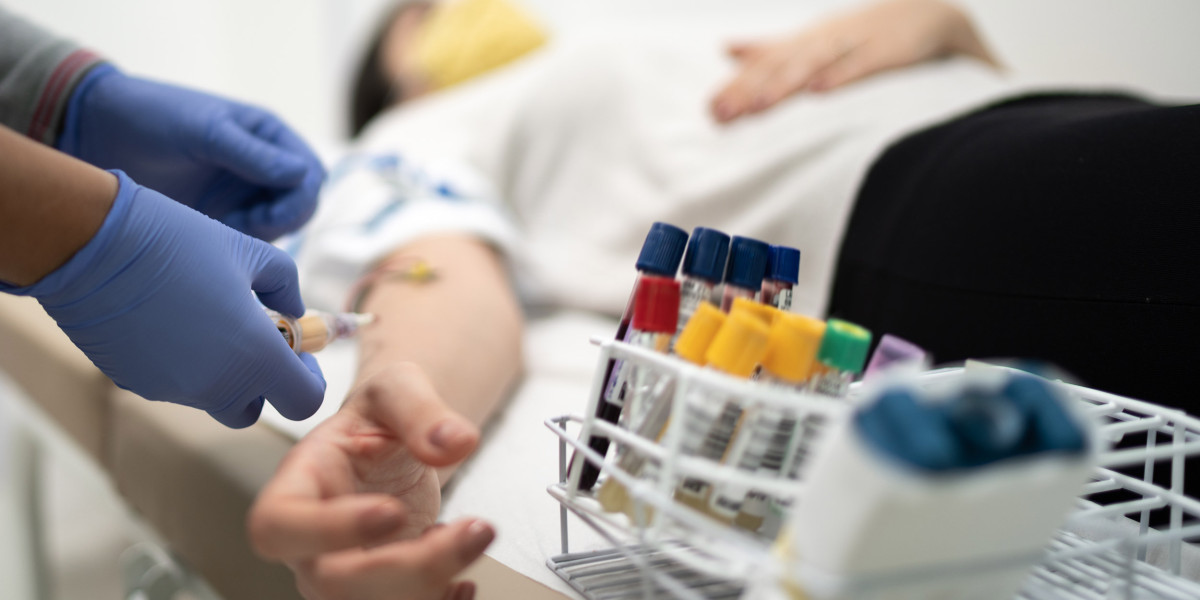
The blood collection process generally includes:
Registration and identity verification.
Review of the requested laboratory tests.
Cleaning the skin with an antiseptic.
Applying a tourniquet to locate a vein.
Collecting blood using sterile equipment.
Removing the needle and applying gentle pressure.
Placing a small bandage over the puncture site.
Most people return to normal activities immediately after the sample is collected.
Care for Yourself After the Screening:
Once the blood sample has been collected, a few simple steps promote comfort and recovery.
Healthcare professionals often recommend:
Drinking water.
Eating a light meal if fasting was required.
Keeping pressure on the puncture site for several minutes.
Avoiding heavy lifting with the affected arm for a short period.
Monitoring the area for minor bruising.
Most people experience no significant side effects beyond temporary mild discomfort.
Preparing for Your Results:
Preparation does not end when the blood sample is collected.
Once laboratory analysis is complete, schedule a follow-up appointment with your healthcare provider to review the findings.
Your results may provide information about:
Blood group compatibility
Rh factor
Complete Blood Count
Infectious disease screening
Genetic carrier status
Nutritional deficiencies
Overall blood health
Understanding these findings allows couples to make informed decisions about preventive healthcare and future family planning.
Common Preparation Mistakes to Avoid:
Avoiding common mistakes helps ensure accurate results and a smoother screening experience.
Examples include:
Waiting until the last week before the wedding.
Forgetting fasting instructions.
Not mentioning medications or supplements.
Arriving dehydrated.
Hiding family medical history.
Ignoring follow-up appointments after receiving results.
Taking preparation seriously increases the value of premarital health screening and improves long-term healthcare planning.
Frequently Asked Questions:
Should both partners prepare in the same way?
In most cases, yes. However, preparation instructions may vary depending on the specific laboratory tests ordered for each individual.
Can I exercise before the appointment?
Light activity is generally acceptable, but strenuous exercise immediately before blood collection may influence certain laboratory results. Follow your healthcare provider's recommendations.
What if I accidentally eat before a fasting test?
Inform the laboratory staff or your healthcare provider. They may advise rescheduling specific tests to ensure accurate results.
Is it normal to feel nervous?
Yes. Mild anxiety is common. The procedure is quick, performed by trained professionals, and usually causes only brief discomfort.
How long does the appointment usually take?
Registration, consultation, and blood collection are often completed within thirty to sixty minutes, while laboratory processing times vary depending on the tests requested.
Final Thoughts:
Preparing properly for a marriage blood Lab tests helps ensure accurate results and a comfortable screening experience. From understanding fasting instructions and reviewing medications to staying hydrated, organizing medical documents, and following post-test care, every step contributes to successful premarital health screening.
A marriage blood test is more than a routine laboratory procedure. It provides valuable insight into blood health, blood group compatibility, inherited genetic conditions, infectious diseases, and reproductive wellness. By preparing carefully and following professional medical advice, couples can make informed healthcare decisions, support future family planning, and begin married life with greater confidence. Investing time in proper preparation today creates a stronger foundation for a healthier tomorrow.