
When a medical issue arises unexpectedly, navigating the healthcare system can feel overwhelming. Should you wait days for an appointment with your primary care physician, or face the long wait times and high costs of an emergency room? For most non-life-threatening conditions, the ideal solution lies right in your community. At iMed Urgent Care, we bridge the gap between primary care and the emergency room, offering prompt, professional, and affordable medical services. Whether you are dealing with a sudden, painful injury in humans or require essential occupational health assessments, our clinical team is equipped to provide the immediate care you need to heal and remain compliant with your professional demands.
What Is the Difference Between Urgent Care and the Emergency Room?
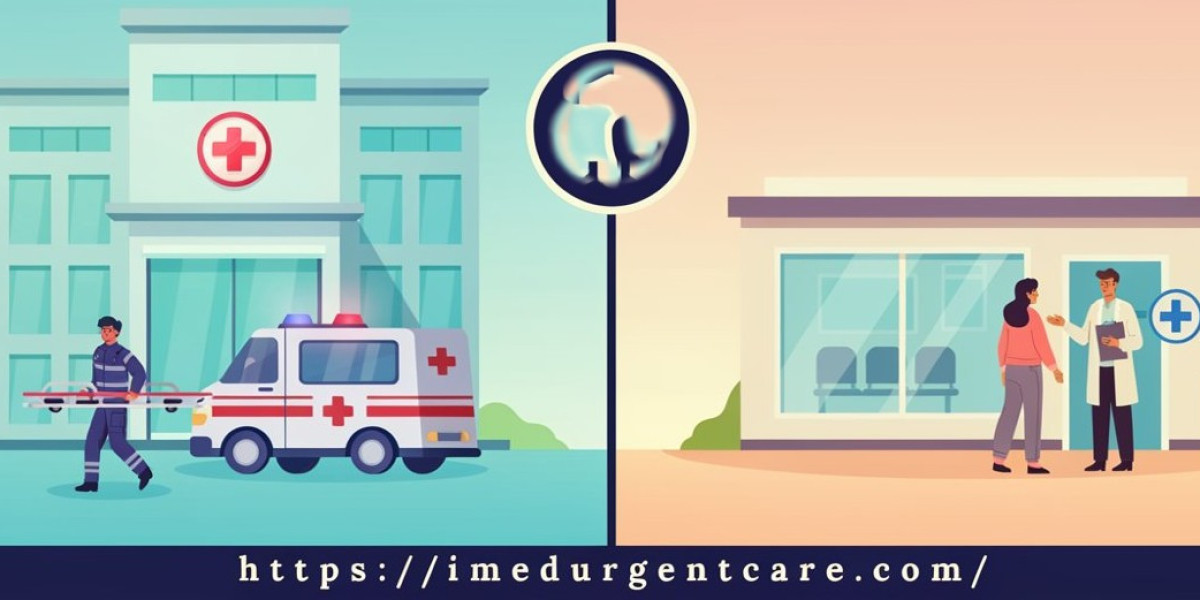
One of the most frequent questions patients ask is when they should visit an urgent care clinic versus a hospital emergency room. Understanding this distinction can save you time, stress, and unnecessary medical expenses.
Emergency rooms are designed to handle severe, life-threatening emergencies. If you are experiencing symptoms of a heart attack, severe chest pain, stroke symptoms, major trauma, or uncontrollable bleeding, you should bypass urgent care and go straight to the nearest emergency room or call 911.
On the other hand, iMed Urgent Care is designed for acute illnesses and injuries that require prompt attention but are not life-threatening. This includes conditions such as minor fractures, sprains, deep lacerations requiring stitches, mild asthma attacks, fevers, urinary tract infections, and allergic reactions. By choosing urgent care for these non-emergent issues, you receive faster treatment—often in under an hour—while helping to keep hospital emergency rooms clear for critical patients.
What Kinds of Physical Injuries Can iMed Urgent Care Treat?
Accidents happen when we least expect them, whether at home, on the job, or playing sports. At iMed Urgent Care, we provide comprehensive diagnosis and treatment for a wide variety of physical traumas. Our facility is equipped with state-of-the-art diagnostic tools, including digital on-site X-rays, allowing us to evaluate injuries rapidly.
- Sprains and Strains: These are among the most common orthopedic issues we treat. A sprain involves the stretching or tearing of ligaments, while a strain refers to injured muscles or tendons. We provide bracing, splinting, pain management advice, and physical therapy recommendations to ensure proper healing.
- Minor Fractures and Dislocations: If you suspect you have broken a bone in your hand, foot, arm, or leg, our team can take X-rays on-site, align the bone if necessary, and apply splints or casts.
- Lacerations and Cuts: Deep cuts require timely closure to prevent infection and minimize scarring. We perform professional suturing (stitches), stapling, and skin gluing, alongside updating your tetanus vaccinations if necessary.
- Burns: We treat mild-to-moderate burns (first and second-degree) caused by heat, chemicals, or sunburn, providing professional wound dressing to prevent infection.
Why Are Diagnostic Services Important in Urgent Care?
How do our providers accurately determine what is happening beneath the skin? Having advanced laboratory and imaging services on-site is essential for rapid care. At iMed Urgent Care, we do not make you travel to an external imaging center or wait days for external lab results.
Our on-site digital X-ray services allow us to instantly view images of your bones and joints, ensuring we can diagnose fractures or joint dislocations immediately. Additionally, our rapid laboratory testing can quickly identify infections such as strep throat, influenza, COVID-19, mononucleosis, and urinary tract infections. This immediate access to data ensures that you receive the correct treatment plan, prescription, or referral before you walk out our doors.
What Occupational Health Services Do We Offer?
Beyond treating acute illnesses and physical injuries, iMed Urgent Care is a trusted partner for local businesses and workers. We offer a comprehensive suite of occupational medicine services designed to keep the workforce healthy, safe, and compliant with state and federal regulations.
Our services include pre-employment physicals, worker's compensation injury management, tuberculosis (TB) testing, and specialized regulatory physicals. Among the most highly requested occupational services we perform are Department of Transportation (DOT) physical exams.
What Is a DOT Physical Exam, and Who Needs One?
If you operate a commercial motor vehicle (CMV), the Federal Motor Carrier Safety Administration (FMCSA) requires you to pass a regular physical exam to ensure you are highly capable of operating large vehicles safely. This exam is known as a DOT physical.
During a DOT physical, a certified medical examiner at iMed Urgent Care will review your medical history, perform a physical examination, check your vision and hearing, monitor your blood pressure, and conduct a urinalysis. The goal is to detect any underlying medical conditions—such as uncontrolled high blood pressure, cardiovascular disease, or respiratory issues—that could potentially impair your ability to drive safely.
How Should You Prepare for Your DOT Physical and Urinalysis?
Preparation is key to a smooth and successful DOT physical. Drivers are often anxious about the physical, particularly the required urine test. At iMed Urgent Care, we strive to make this process as stress-free as possible by educating our patients beforehand.
If you are a commercial driver preparing for your upcoming appointment, you might find yourself searching for tips on how to pass a dot physical urine test successfully. It is important to know that this specific urinalysis is not a drug screen (though your employer may order a separate drug test alongside it); rather, it checks for markers of underlying health conditions, such as protein, blood, or sugar in your urine, which can indicate kidney issues or undiagnosed diabetes. To prepare, ensure you stay well-hydrated by drinking plenty of water, avoid sugary drinks or heavy meals right before your test, and take all your prescribed blood pressure or diabetes medications as directed.