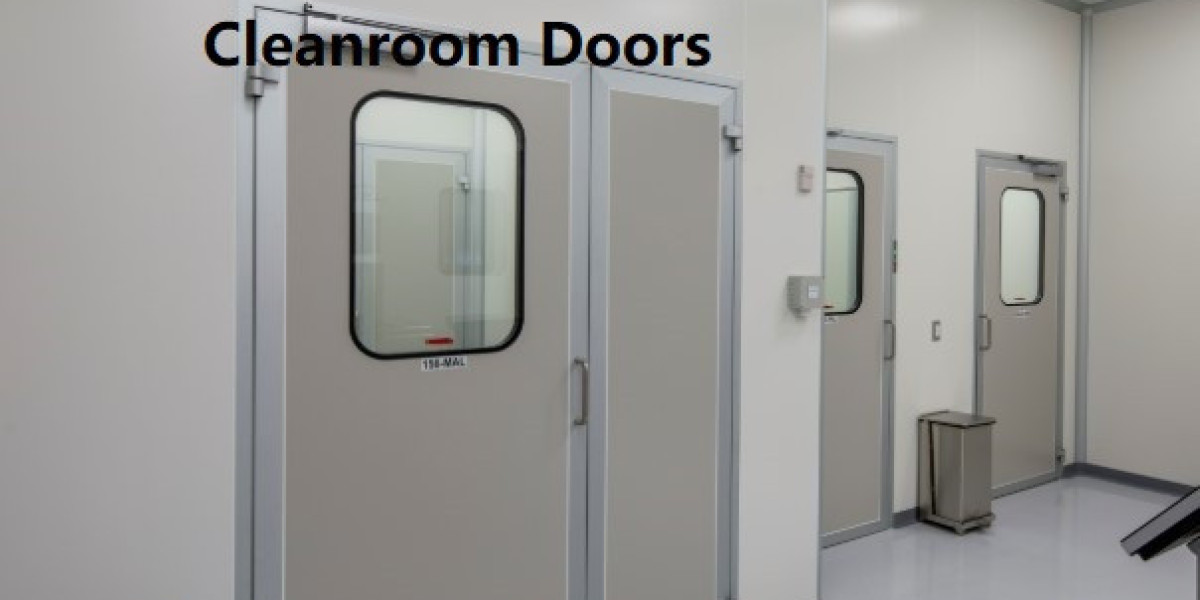

A cleanroom is more than a carefully enclosed room; it is a working environment that depends on multiple technical systems operating together. For facilities where air quality, temperature, pressure, lighting, water, and electrical supply must be managed carefully, Utilities for Clean Room planning becomes an important part of the overall project. Well-designed Utilities for Clean Room systems can support stable daily operations, improve equipment coordination, and make maintenance more manageable. ydpurification focuses on purification-related facility solutions, with attention to how technical infrastructure can work alongside room design and operational requirements.
Planning Utility Systems From the Beginning
Utility planning should begin during the early design stage rather than after the room structure has been completed.
A cleanroom may require several services, including power distribution, air handling, compressed air, process gases, water supply, drainage, lighting, and monitoring systems.
Each service has its own requirements, but all of them must fit within the same building.
If these systems are planned separately, problems can appear during installation.
For example, ventilation equipment may require space that conflicts with electrical services.
Maintenance access may also become difficult if pipes, ducts, and cable routes are crowded into the same area.
Early coordination can help avoid these issues.
Architects, mechanical engineers, electrical specialists, equipment suppliers, and facility managers should exchange information before construction begins.
Room dimensions, equipment locations, service requirements, and future expansion plans should be reviewed together.
This creates a more complete picture of how the facility will operate.
Good planning does not necessarily mean installing more systems.
It means selecting and arranging the right infrastructure for the actual needs of the project.
Air Systems and Environmental Stability
Air management is one of the most important parts of a controlled facility.
The air handling system may influence temperature, humidity, pressure relationships, and overall environmental stability.
Different rooms may have different requirements depending on their function.
A production space may need a different airflow arrangement from a storage area or technical room.
For this reason, the air system should be designed around the activities taking place inside each space.
Air distribution should also be considered alongside equipment placement.
Large machines, workstations, and storage units can affect airflow patterns.
If equipment is installed without considering ventilation, the final environment may not perform as expected.
Regular monitoring can help operators understand whether the system continues to perform properly.
Sensors and control equipment may provide useful information about temperature, humidity, pressure, and other conditions.
This data can help facility teams identify changes early and respond before they become larger operational problems.
Electrical and Process Service Coordination
Modern clean facilities often depend on a reliable electrical supply.
Production equipment, lighting, monitoring systems, air handling units, and control devices may all require carefully planned power distribution.
Electrical planning should therefore be completed together with equipment layout.
The location of machines can influence cable routes and connection points.
Maintenance access should also be considered.
Electrical panels and service areas should remain accessible to qualified personnel without unnecessarily disrupting daily operations.
Other technical services may require similar attention.
Compressed air, process gases, water, and drainage systems all need appropriate routing.
Their positions should be coordinated with walls, ceilings, equipment, and access doors.
This is especially important when multiple services pass through limited spaces.
Clear documentation can make installation easier.
Detailed drawings and accurate specifications allow contractors to understand where each system belongs and how different components connect.
This can reduce confusion during construction and help improve project scheduling.
YD-Purification and Easier Maintenance
Utility systems require attention throughout the life of a facility.
Filters need replacement, sensors may require calibration, electrical equipment needs inspection, and mechanical components may eventually need repair.
A system that is difficult to access can make routine maintenance more expensive and time-consuming.
For this reason, maintenance should be considered during the original design.
Service corridors, access panels, equipment platforms, and inspection areas can all contribute to easier upkeep.
The goal is to allow technicians to complete necessary work without causing unnecessary disruption.
Facility operators should also maintain accurate records.
Documentation can include equipment specifications, installation information, maintenance schedules, and service histories.
These records help teams understand the condition of each system and plan future work more effectively.
Regular inspections can also identify small issues before they develop into larger failures.
A proactive approach may improve reliability and reduce unexpected interruptions.
Preparing for Long-Term Facility Development
Cleanroom operations can change over time.
A company may introduce new equipment, increase production, or modify its processes.
These changes can place new demands on existing utility systems.
When planning a new facility, it is useful to consider possible future requirements.
This does not mean installing unnecessary capacity everywhere.
Instead, project teams can identify areas where expansion may eventually be needed.
For example, additional service routes or accessible technical spaces may make future upgrades easier.
Utility systems should also be reviewed as part of the facility's overall operating strategy.
Energy consumption, maintenance requirements, equipment efficiency, and system reliability all influence long-term costs.
By evaluating these factors together, facility managers can make more informed decisions about upgrades and improvements.
A well-planned technical infrastructure should support today's operations while leaving reasonable room for tomorrow's changes.
For companies developing controlled environments, the quality of the utility infrastructure can have a direct effect on daily performance. To explore purification-related facility solutions and learn more about integrated cleanroom construction approaches, visit https://www.yd-purification.com/. With careful planning, coordinated installation, accessible maintenance, and attention to future requirements, businesses can create technical environments that remain stable, practical, and dependable throughout their operating life.