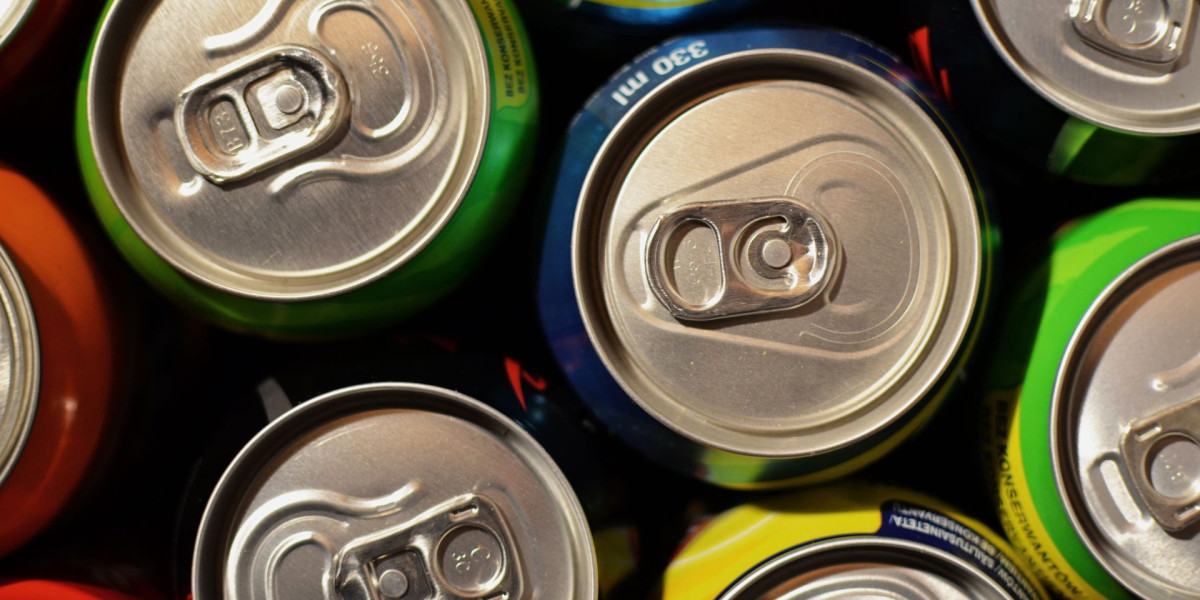

A profound shift is under way across European supermarket aisles and convenience store fridges. The traditional, sugar-laden energy drinks that once dominated checkout counters are making way for sophisticated, zero-sugar alternatives. Driven by rising health awareness, aggressive sugar-reduction initiatives, and an expanding fitness culture, European consumers are demanding sustained energy without the calorie crash
According to industry data from Renub Research, the Europe sugar-free energy drinks market is projected to reach US$ 8.11 billion by 2034, climbing from US$ 4.37 billion in 2025. This expansion represents a robust Compound Annual Growth Rate (CAGR) of 7.11% across the 2026–2034 forecast period.
+-------------------------------------------------------------------+| EUROPE SUGAR-FREE ENERGY DRINKS MARKET || || 2025 Valuation : US$ 4.37 Billion || 2034 Projection: US$ 8.11 Billion || Forecast CAGR : 7.11% (2026–2034) |+-------------------------------------------------------------------+From plant-based caffeine and natural sweeteners like stevia and monk fruit to performance-enhancing functional additives like BCAAs and ElevATP, the sugar-free energy drink category has transformed into an essential functional lifestyle staple across Europe.
Europe Sugar-Free Energy Drinks Industry Overview
Sugar-free energy drinks are functional beverages designed to deliver mental alertness, instant energy, and enhanced physical endurance without added sugar. Formulated with caffeine, B-complex vitamins, amino acids, and zero-calorie sweetening systems (such as sucralose, stevia, or erythritol), these drinks cater to working professionals, students, athletes, and daily commuters who want functional stimulation without the high calorie load
Modern product offerings have evolved far beyond basic energy delivery. Today’s European market features clean-label profiles, botanical infusions (such as ginseng and green tea), natural colorings, and complex flavor profiles like grapefruit-blossom and kiwi-guava.
Traditional Energy Formulation ──► Zero-Sugar / Zero-Calorie Base (Stevia/Sucralose) ──► Functional Performance Boosters (BCAAs, ElevATP, L-Carnitine) ──► Clean-Label Botanical Extracts (Ginseng, Green Tea)As public health campaigns target obesity and diabetes across the European Union, sugar-free energy drinks have firmly established themselves as the preferred, modern alternative to conventional soft drinks and standard sugary energy beverages.
Strategic Market Drivers
1. Rising Health Awareness & Sugar-Reduction Mandates
Health consciousness across Europe is reaching new heights. Consumers actively avoid high-sugar beverages to mitigate risks associated with weight gain, metabolic disorders, and type-2 diabetes.
Furthermore, regulatory environments—such as the UK’s Soft Drinks Industry Levy (sugar tax) and the Union of European Soft Drinks Associations' commitment to reducing added sugars—have pressured brands to prioritize zero-sugar formulations. Younger demographics (aged 18–35) in particular demand beverages that align with their clean-eating and calorie-controlled lifestyle goals.
+-------------------------------------------------------------------+| HEALTH & WELLNESS ALIGNMENT |+-------------------------------------------------------------------+| • Calorie Control: Zero-sugar bases with natural sweetening || • Clean-Label Transition: Removal of synthetic dyes and additives|| • Functional Benefits: B-vitamins, electrolytes, and focus agents |+-------------------------------------------------------------------+2. Rapid Expansion of Fitness Culture & Active Lifestyles
Recreational sports, gym memberships, marathon running, and high-intensity interval training (HIIT) have experienced surging participation across Europe. Active individuals increasingly view sugar-free energy drinks as pre-workout supplements or intra-day performance boosters.
The blurring line between sports nutrition and everyday functional drinks has created massive demand for beverages offering dual benefits: clean energy and post-exercise recovery support.
3. Continuous Product Innovation & Premium Formulations
Innovation serves as the engine powering market growth. Brands are continuously experimenting with advanced functional ingredients and sophisticated flavor matrices to differentiate themselves.
A clear example of this performance-focused shift occurred in January 2025, when FIFCO launched its new sugar-free, zero-calorie line under the Maxxx-Energy brand. Formulated with ElevATP to stimulate natural cellular ATP production and L-Carnitine to support fat metabolism and physical recovery, the lineup launched with premium flavors like Apple-Kiwi and Blackberry Boost, demonstrating how functional science is elevating beverage positioning across Europe.
Market Challenges and Operational Hurdles
Despite the strong growth trajectory, manufacturers face significant regulatory and competitive headwinds across the European landscape:
+---------------------------------+ | EUROPEAN MARKET | | CHALLENGES | +----------------+----------------+ | +-------------------------+-------------------------+ | | v v+---------------------------------+ +---------------------------------+| REGULATORY SCRUTINY | | INTENSE COMPETITION & SATURATION|+---------------------------------+ +---------------------------------+| • Strict caffeine labeling rules| | • Dominance of major legacy brands|| • Marketing restrictions to youth| | • Shelf space rivalry from RTD || • Artificial sweetener oversight| | coffee and functional waters |+---------------------------------+ +---------------------------------+Regulatory Restrictions & Scrutiny: European food safety authorities enforce stringent regulations regarding caffeine concentration thresholds, health claim validation, and youth-oriented marketing controls. Heightened scrutiny around artificial sweeteners requires ongoing R&D investment in natural reformulations and compliance.
Market Saturation & Rivalry: The European shelf space is fiercely contested. Global giants and regional craft brands compete directly with ready-to-drink (RTD) iced coffees, functional flavored waters, and pre-workout hydration mixes, placing intense pressure on margins and marketing budgets.
Country-Level Market Dynamics
+---------------+----------------------------------+----------------------------------+| Country | Key Market Drivers | Distribution & Flavor Trends |+---------------+----------------------------------+----------------------------------+| Germany | High functional drink usage; | Clean-label, eco-packaging, || | widespread gym and cycling culture| strong discount & grocery retail |+---------------+----------------------------------+----------------------------------+| France | Growing focus on low-calorie, | Natural sweetener preferences; || | weight-management beverage options| hypermarket & online expansion |+---------------+----------------------------------+----------------------------------+| Italy | Young urban workforce demand; | Premium positioning; vending || | expanding active lifestyle focus | machine & café channel growth |+---------------+----------------------------------+----------------------------------+| Spain | Warm climate, strong tourism, | Refreshing citrus profiles, || | active coastal lifestyle culture | convenience store dominance |+---------------+----------------------------------+----------------------------------+Germany: The Functional Powerhouse
Germany stands as one of Europe’s premier markets for sugar-free energy drinks. Supported by a deeply ingrained outdoor sports culture and high gym density, German consumers prioritize performance-enhancing beverages with zero added sugar. Sustainable packaging and clean-label certifications are essential purchasing criteria in this market.
France: Health-Conscious Expansion
In France, rising awareness surrounding sugar consumption and obesity prevention drives the demand for low-calorie alternatives. French consumers, especially younger urban demographics, lean toward sophisticated flavor profiles, natural botanical ingredients, and reduced artificial additives.
Italy: Modern Energy Meets Tradition
While Italy maintains a strong traditional coffee culture, sugar-free energy drinks are rapidly building market share among young professionals and university students seeking portable, immediate energy delivery. Vending machines, gas stations, and online retail channels are expanding product access nationwide.
Spain: Refreshment & Active Tourism
Spain's warm Mediterranean climate, active lifestyle culture, and high volume of international tourism create optimal conditions for functional hydration. Sugar-free energy drinks featuring exotic fruit flavors are seeing swift adoption across convenience and coastal retail networks.
Recent Strategic Industry Developments
European energy drink releases highlight a strong focus on zero-sugar formulations, seasonal flavor drops, and international expansion:
December 2025: Celsius announced a major expansion across the UK and Ireland with a January 2026 launch of four fruit-forward zero-sugar flavors: Sparkling Raspberry Peach, Sparkling Mango Lemonade, Sparkling Kiwi Guava, and Sparkling Strawberry Watermelon.
August 2025: Monster Energy broadened its zero-sugar Ultra portfolio in the UK with the launch of Monster Ultra Fantasy Ruby Red, a grapefruit-flavored variant packaged in vibrant pink 500 ml cans and multipacks.
June 2025: Red Bull introduced the Red Bull Sugarfree Lilac Edition across the United Kingdom, featuring a unique grapefruit-and-blossom flavor profile distributed across multiple can sizes (250 ml, 335 ml, and 473 ml).
Market Segmentation Analysis
By Packaging Type
Metal Cans: The dominant packaging choice, favored for superior chilling efficiency, light blocking, infinitely recyclable properties, and vibrant shelf presence.
PET Bottles: Popular for multi-serve sizes and portable, re-sealable consumption on the move.
Glass Bottles: A growing premium segment associated with eco-friendly branding and artisanal, clean-label positioning.
By Distribution Channel
Off-Trade (Supermarkets / Hypermarkets): The primary volume channel for multi-packs and household grocery stocking.
Convenience Stores & Gas Stations: Essential high-margin touchpoints catering to immediate, on-the-go consumer needs.
Online Retail: The fastest-growing channel, enabling direct-to-consumer (DTC) subscription models, bulk purchasing, and launchpads for niche functional brands.
Frequently Asked Questions (Renub Research Insights)
1. What is the projected valuation of the Europe sugar-free energy drinks market by 2034?
According to Renub Research, the market is expected to reach US$ 8.11 billion by 2034.
2. What was the base value of the European sugar-free energy drinks market in 2025?
The market was valued at US$ 4.37 billion in 2025, based on Renub Research data.
3. What is the expected Compound Annual Growth Rate (CAGR) for this market?
The Europe sugar-free energy drinks market is forecasted to grow at a CAGR of 7.11% between 2026 and 2034.
4. What are the main drivers accelerating market growth in Europe?
Primary drivers include escalating health consciousness, public health sugar reduction initiatives, expanding fitness participation, clean-label sweetener innovations, and busy consumer lifestyles.
5. Which packaging format accounts for the largest market share?
Metal cans represent the leading packaging format due to recyclability, rapid cooling capability, and strong consumer association with energy drinks.
6. Which distribution channel is expanding at the fastest rate?
Online retail is experiencing the fastest growth, fueled by e-commerce convenience, direct-to-consumer functional brands, and subscription-based purchasing.
7. Which geographic markets within Europe show strong market potential?
Germany, the United Kingdom, France, Italy, and Spain serve as major growth hubs, each driven by active fitness demographics and health-conscious consumer bases.
Final Thoughts
The Europe sugar-free energy drinks market demonstrates how an industry can thrive by adapting directly to modern health priorities. By pairing zero-calorie energy delivery with performance ingredients, clean labels, and vibrant flavor profiles, energy drink manufacturers are attracting a broader, more health-conscious demographic.
As the market powers toward its projected US$ 8.11 billion target by 2034, brands that focus on transparent sourcing, natural sweetener innovation, and functional performance will secure a long-term competitive edge in Europe's evolving beverage ecosystem.