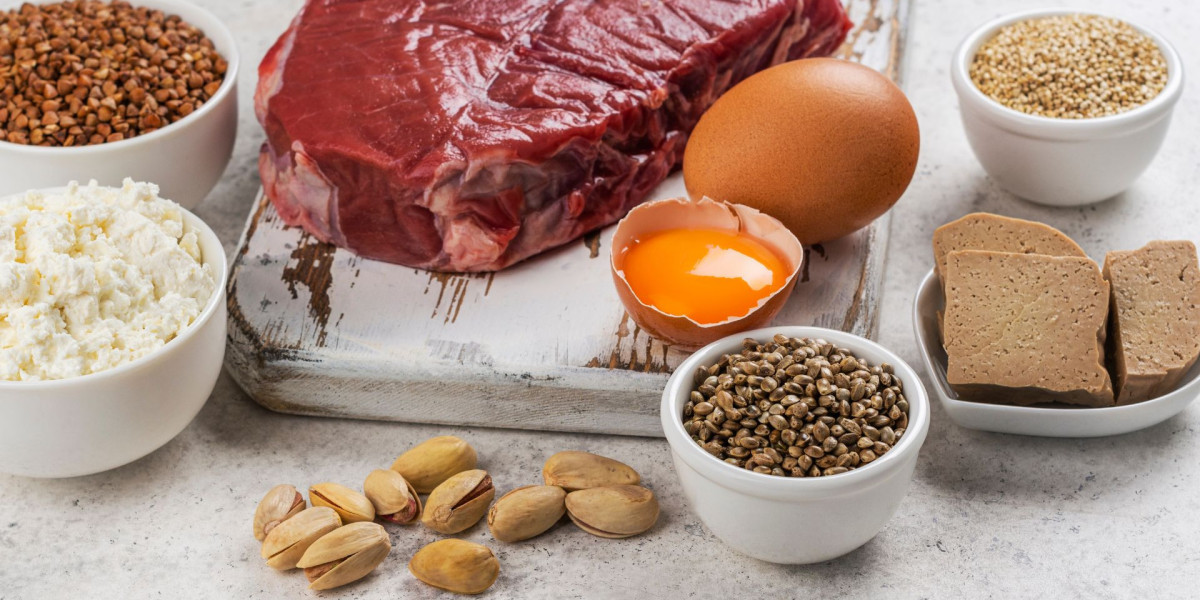

There was a time when whey—the liquid remaining after milk has been curdled and strained—was treated as little more than a low-value byproduct of the cheese-making process. For centuries, European dairy farmers routinely discarded it or fed it to livestock.
Fast forward to today, and that once-overlooked watery byproduct has completed one of the most remarkable transformations in industrial food history. Whey protein has evolved into "liquid gold," underpinning a multi-million-dollar health, wellness, and medical manufacturing infrastructure across the European continent.
According to data from Renub Research, the Europe whey protein ingredients market is on a steep upward trajectory. Valued at US$ 421.53 million in 2025, the market is projected to reach US$ 659.56 million by 2034, expanding at a steady Compound Annual Growth Rate (CAGR) of 5.10%.
This growth is not merely a reflection of gym-goers drinking post-workout shakes. It represents a fundamental shift in how European society views functional food, preventive healthcare, active aging, and agricultural sustainability.
1. What Makes Whey Protein the Gold Standard?
To understand why European food processors and consumers are paying top dollar for whey, one must look closely at its nutritional biochemistry. Whey protein boasts an exceptionally high biological value and a complete profile of essential amino acids, particularly branched-chain amino acids (BCAAs) like leucine, which play a central role in triggering muscle protein synthesis.
Unlike many plant proteins that require precise blending to achieve a complete amino acid profile, whey is rapidly absorbed by the human digestive tract, delivering amino acids directly to muscle tissue when repair and recovery are needed most.
Depending on the refining technique employed, European manufacturers process whey into three primary ingredient formats:
Whey Protein Concentrate (WPC): Retaining a moderate protein concentration (typically between 30% and 80%), WPC preserves small amounts of beneficial fats and lactose. It remains the workhorse of the industry due to its affordability, rich flavor, and exceptional functional properties such as emulsification and texturization.
Whey Protein Isolate (WPI): Undergoing intensive filtration—such as cross-flow microfiltration—WPI achieves a protein purity of 90% or higher. By stripping out almost all fat and lactose, WPI offers a premium, fast-absorbing option tailored for lactose-sensitive consumers and performance athletes.
Hydrolyzed Whey Protein (HWP): Subjected to enzymatic hydrolysis that pre-digests peptide bonds, HWP is absorbed even more rapidly than isolates. Its hypoallergenic nature makes it indispensable for clinical medical nutrition and specialized infant formulas.
2. Unpacking the Growth Drivers Across Europe
What is driving European demand so consistently through 2034? A confluence of policy support, cultural shifts, and supply-chain advantages is propelling this sector forward.
EUROPE WHEY PROTEIN MARKET GROWTH FACTORS ┌──────────────────────────────────────────────────┐ │ • EU Policy & Green Deal Agronomic Investments │ │ • Rapid Expansion of Active/Fitness Lifestyles │ │ • Aging Demographics Seeking Anti-Sarcopenia Food │ │ • Established European Dairy Infrastructure │ └──────────────────────────────────────────────────┘Institutional Support and Public Policy
Public investment is pouring into the European protein ecosystem. Under the EU Green Deal's Farm-to-Fork initiative, public institutions are encouraging protein diversity and sustainable agriculture.
A prime example is the EUR 12 million allocated by the European Commission through the Horizon Europe topic HORIZON-CL6-2026-02-FARM2FORK-03, designed specifically to fund protein crop breeding, agronomic research, and nutritional science.
As public health campaigns increasingly highlight the role of protein in preventive medicine and immune health, European households are actively shifting away from ultra-processed, carb-heavy snacks toward fortified foods.
Active Lifestyles and the Mainstream Fitness Boom
The traditional sports nutrition market was once restricted to elite athletes and bodybuilders. Today, fitness culture has gone thoroughly mainstream across Europe.
From urban boutique gyms to outdoor endurance races, young adults and working professionals are prioritizing active living. Whey protein has become a daily staple, available not just as bulky tubs of powder, but in convenient ready-to-drink (RTD) beverages, functional bars, and fortified yogurts.
Social media platforms have further accelerated this trend, making protein-conscious diets a core part of contemporary lifestyle culture.
Demonstrating this shift, BioTechUSA—a prominent Hungarian sports nutrition brand—tripled its protein bar production capacity in March 2025 while launching two dedicated vitamin-supplement product lines to meet surging European demand.
An Aging Population and Medical Nutrition Needs
Europe is home to one of the world’s oldest populations, creating a vast market for healthy aging solutions. Age-related muscle loss (sarcopenia) is a growing concern for European healthcare providers.
To help senior citizens maintain muscle mass, bone density, and functional mobility, healthcare professionals are increasingly prescribing protein-fortified diets and specialized clinical nutrition products.
Because whey protein hydrolysates and isolates are gentle on the digestive tract and highly bioavailable, they serve as ideal components in clinical medical foods designed for elderly care.
A World-Class European Dairy Base
Unlike regions dependent on imported raw materials, Europe benefits from an established, highly sophisticated dairy industry. Countries such as Germany, France, the Netherlands, and Ireland process immense volumes of milk daily.
This domestic cheese manufacturing infrastructure guarantees a steady, localized supply of liquid whey, insulating European ingredient processors from many of the extreme supply disruptions seen in other global markets.
┌─────────────────────────────────────────────────────────────┐│ EUROPEAN MARKET PROJECTIONS │├───────────────────────────┬─────────────────────────────────┤│ Metric │ Value │├───────────────────────────┼─────────────────────────────────┤│ Market Value (2025) │ US$ 421.53 Million ││ Forecast Value (2034) │ US$ 659.56 Million ││ CAGR (2025–2034) │ 5.10% │└───────────────────────────┴─────────────────────────────────┘3. Market Challenges: Navigating Headwinds
Despite positive forecasts, European whey protein producers face notable operational and competitive challenges.
INDUSTRY HEADWINDS ┌─────────────────────────────────────────────────┐ │ 1. Plant-Based Competition (Pea, Hemp, Soy) │ │ 2. Volatility in Raw Milk & Feed Prices │ │ 3. Complex Supply Chain Logistics │ └─────────────────────────────────────────────────┘The Plant-Based Alternative Surge
The rapid rise of plant-based eating presents a direct challenge to dairy-derived ingredients. European consumers—particularly Gen Z and Millennials—are increasingly choosing plant-based options due to environmental considerations, animal welfare concerns, or dietary restrictions.
Proteins derived from peas, soybeans, oats, and hemp are capturing market share in the functional food and beverage space.
In response, major ingredient manufacturers are diversifying their portfolios. For instance, in June 2025, ingredient leader Roquette expanded its Nutralys line by introducing novel textured wheat and pea proteins, signaling that plant alternatives are continuing to claim shelf space alongside traditional whey.
Dairy Supply Chain Dependencies and Price Volatility
Because whey ingredient output is tied directly to cheese production, it remains vulnerable to fluctuations in the broader dairy market. Variations in cattle feed costs, unpredictable weather patterns linked to climate change, and shifting energy costs directly influence raw milk prices.
For small-to-medium-sized European manufacturers, these cost swings can thin profit margins and complicate long-term pricing strategies.
4. Key Application Segments Shaping European Demand
Whey protein is no longer confined to plastic shaker bottles. Its versatility has allowed it to penetrate virtually every aisle of the European grocery store.
| Segment | Primary Function / Value Proposition | Key End-User Focus |
| Whey Protein Concentrate (WPC) | Cost-effective texturization, emulsification, and moderate protein enhancement. | Bakery, confectionery, mainstream dairy products, beginner sports nutrition. |
| Sports Nutrition | Rapid post-exercise muscle recovery, BCAA delivery, and fatigue reduction. | Athletes, gym-goers, active lifestyle enthusiasts, bodybuilders. |
| Functional Foods | Everyday protein enrichment without altering traditional flavor profiles. | Health-conscious households, weight management consumers. |
| Whey Protein Beverages | On-the-go convenience via RTD clear protein drinks, milkshakes, and wellness shots. | Busy urban professionals, commuters, endurance athletes. |
| Elderly & Medical Nutrition | Targeted amino acid delivery to prevent muscle wasting and support clinical recovery. | Senior care facilities, hospitals, home care patients. |
5. Country Focus: Regional Dynamics Across Europe
The European market is far from uniform. Each country brings its own distinct industrial capabilities and consumer preferences to the table.
REGIONAL HIGHLIGHTS ACROSS EUROPE ┌────────────────────────────────────────────────┐ │ GERMANY : Industrial Scale & Circular Economy │ │ UK : Fitness Culture & Brand Imports │ │ FRANCE : Culinary Innovation & High-Protein │ │ RUSSIA : Local Dairy Expansion & Upgrades │ └────────────────────────────────────────────────┘Germany: The Innovation Engine
Germany boasts Europe’s largest national market for whey ingredients, supported by advanced industrial food engineering and a strong health-and-wellness culture. German consumers demand clear labeling, high purity, and sustainable sourcing.
Germany is also leading the way in circular economy innovations. In October 2024, Infinite Roots and the Hamburg University of Technology secured €2.6 million in German government funding to develop technology converting dairy whey waste into a growth medium for mycelium cultivation. This project illustrates how German institutions are finding new ways to extract value from dairy side-streams.
United Kingdom: Fitness Lifestyle and Retail Reach
The UK market is driven by a deep-rooted gym culture and an expansive modern retail sector that makes functional protein snacks accessible in mainstream supermarkets and convenience stores.
International brands view the UK as a primary market for expansion. In April 2025, major German wellness company More Nutrition officially entered the British market, introducing its portfolio of high-protein, low-sugar snacks to meet growing UK consumer demand.
France: Gastronomic Heritage Meets High-Protein Innovation
France combines a traditional dairy industry with advanced food processing technology. French consumers place a high value on clean labels, local sourcing, and culinary quality, encouraging ingredient suppliers to create high-protein offerings that do not compromise on taste or texture.
At the Fi Europe 2025 trade show held in Paris (December 2–4, 2025), global dairy giant AFI showcased five new whey concepts designed to balance taste with high-protein nutrition. These included a high-protein clear yogurt, a drinkable yogurt containing 25 grams of hydrolyzed whey protein per serving, and "Milky Spark"—a carbonated dairy beverage crafted from pure whey protein.
Russia: Domestic Capability and Processing Investments
In Russia, rising urbanization and growing interest in sports nutrition among city dwellers continue to spur demand for whey protein. Local processing capacities are expanding to meet domestic demand and reduce reliance on imported ingredients.
A notable example occurred in January 2023, when the Molvest Group invested roughly 2 billion rubles to expand its milk-processing facility in Kalach, significantly boosting its capacity to produce milk and whey protein concentrates domestically.
6. Competitive Landscape and Key Players
The European market features several well-established processing giants alongside specialized regional dairy co-operatives. Key market participants include:
Agrial Enterprise (France)
Arla Foods amba (Denmark)
Carbery Food Ingredients Limited (Ireland)
Groupe Lactalis (France)
Koninklijke FrieslandCampina N.V. (Netherlands)
Lactoprot Deutschland GmbH (Germany)
MEGGLE GmbH & Co. KG (Germany)
Morinaga Milk Industry Co. Ltd (Japan/Global Operations)
Sodiaal Union SCA (France)
Industry analysts evaluate these companies based on operational scale, technological capabilities in membrane filtration, ongoing product development, and supply-chain resilience.
7. Segment Breakdown: End-Use Scope
The flexibility of whey protein components allows them to be applied across a wide variety of sectors throughout Europe:
EUROPEAN WHEY PROTEIN SEGMENTATION ┌─────────────────────────────────────────────────────────────────────────────┐ │ TYPE • Whey Protein Concentrate (WPC) │ │ • Whey Protein Isolate (WPI) │ │ • Hydrolyzed Whey Protein (HWP) │ ├─────────────────────────────────────────────────────────────────────────────┤ │ APPLICATIONS • Sports Nutrition • Functional Foods │ │ • Infant Formula • Bakery & Confectionery │ ├─────────────────────────────────────────────────────────────────────────────┤ │ END USERS • Food & Beverages (Bakery, Drinks, Cereals, Dairy, Snacks)│ │ • Dietary Supplements (Medical, Senior, Performance) │ │ • Animal Feed & Pet Care │ │ • Personal Care & Cosmetics │ └─────────────────────────────────────────────────────────────────────────────┘Final Thoughts: The Road to 2034
The expansion of Europe's whey protein ingredients market from US$ 421.53 million in 2025 to US$ 659.56 million by 2034 highlights a broader trend in how we approach nutrition. Whey is no longer viewed as a simple byproduct of cheese-making; it has become a central component in functional food formulation, active aging strategies, and sports performance.
As plant-based alternatives expand their reach and climate-related supply chain pressures persist, the industry’s future will depend on ongoing innovation.
Producers who invest in sustainable processing, novel flavor systems, transparent sourcing, and advanced clinical applications will be well-positioned to lead as Europe continues its shift toward protein-rich, health-focused nutrition.