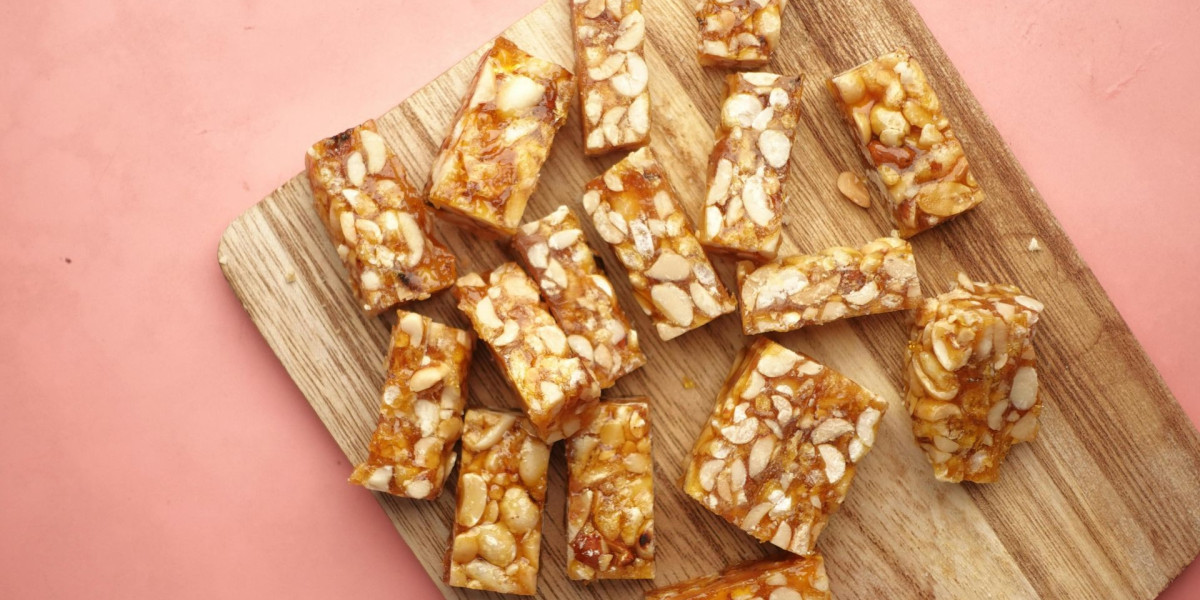

If you were around the fitness scene in the early 2000s, you likely remember them well: dense, brick-like blocks wrapped in metallic foil that required serious jaw strength to chew, tasted vaguely like cardboard and artificial chocolate, and left a chalky residue behind. They were functional, sure. But pleasurable? Not even close. They belonged strictly in the gym bags of hardcore bodybuilders, marathon runners, and dedicated endurance athletes who viewed food purely as fuel.
Fast forward to today, and the landscape has completely transformed.
Step into any gas station in suburban Ohio, a specialty grocery store in downtown Vancouver, or a neighborhood bodega in Mexico City, and you will find entire aisles dedicated to protein bars. They come in decadent flavors like salted caramel turtle, soft-baked peanut butter chocolate chip, and cinnamon roll crunch. They boast clean labels, plant-based proteins, zero sugar, and functional ingredients designed to boost gut health or mental focus.
The protein bar has officially graduated from a niche athletic supplement to a mainstream everyday essential for busy professionals, parents, students, and casual snackers alike.
According to comprehensive market research by Renub Research, the North America Protein Bar Market is projected to surge from US$ 6.49 billion in 2025 to a massive US$ 14.00 billion by 2034. That represents a robust Compound Annual Growth Rate (CAGR) of 8.92% from 2026 to 2034.
What is driving this massive economic explosion? How did a dense block of whey become one of the hottest commodity categories in modern consumer packaged goods (CPG)? Let’s pull back the wrapper and examine the forces shaping the continent’s multi-billion-dollar protein boom.
Download Free Sample Report:https://www.renub.com/request-sample-page.php?gturl=north-america-protein-bar-market-p.php
The Anatomy of a Modern Snack Revolution
To understand why the North American market is expanding at nearly 9% every year, one must look at how modern dietary habits have shifted.
At its core, a protein bar is a compact, nutrient-dense format engineered to deliver high-quality protein alongside balanced carbohydrates, fats, vitamins, and minerals. But its real selling point in today’s fast-paced society is convenience.
As traditional sit-down meals give way to on-the-go snacking, consumers are actively seeking out foods that deliver both speed and substance. A bag of potato chips or a traditional chocolate bar might satisfy a short-term sugar craving, but it leads to a rapid glucose spike and the inevitable energy crash shortly after. Protein bars, by contrast, offer prolonged satiety, muscle recovery support, and sustained energy replenishment.
Furthermore, consumer preferences are no longer one-size-fits-all. The modern marketplace demands personalization, and manufacturers have aggressively responded. Whether a shopper follows a strict ketogenic diet, adheres to a vegan or plant-based lifestyle, tracks macro-nutrients for weight management, or avoids gluten and dairy, there is a tailored bar on the shelf waiting for them.
This convergence of portability, functional nutrition, and dietary flexibility has cemented the protein bar as a dominant force across fitness, lifestyle, and mainstream grocery channels.
What’s Driving the Growth?
The steady climb toward $14 billion isn't happening by accident. It is being fueled by a combination of massive venture capital investment, cultural lifestyle changes, and relentless food science innovation.
1. Capital Influx and High-Stakes Brand Expansion
Wall Street and venture capital firms have taken notice of the consumer migration toward functional snacking. Substantial investment capital is pouring into high-growth nutrition startups, allowing young brands to scale rapidly, invest in cutting-edge formulation technologies, and secure prime shelf placement next to legacy CPG giants.
A prime example of this financial momentum occurred in May 2025, when David—a performance-focused protein bar brand—secured a remarkable USD 75 million Series A funding round led by Greenoaks and Valor Equity Partners. Built around a flagship 28-gram protein, zero-sugar bar containing just 150 calories, the brand leveraged this capital to rapidly penetrate more than 3,000 U.S. retail locations, including major supermarket chains like Wegmans. With revenues projected to cross USD 100 million in its debut year, David demonstrates how aggressive funding can transform a digital-first startup into an immediate retail powerhouse.
This influx of capital raises the bar for the entire industry, forcing established players and newcomers alike to push for cleaner ingredient decks, higher protein yields, and superior texture profile.
2. The Universal Shift Toward Meal Replacements and Active Living
Gym memberships across North America continue to climb, but the appetite for high-protein nutrition extends far beyond weight rooms. High-protein, low-carb, and intermittent-fasting diets have entered the mainstream cultural lexicon.
At the same time, workplace dynamics have evolved. Hybrid schedules, long commutes, and packed family calendars mean fewer people have time to cook traditional three-course meals during the workday. Protein bars have naturally stepped in as a quick, mess-free meal replacement for office workers, students running between classes, and active travelers. Eating a 20-gram protein bar at your desk is no longer seen as a compromise; it’s viewed as a smart, efficient health choice.
3. Indulgent Flavors Meets Functional Wellness
Perhaps the single largest breakthrough in recent years has been the dramatic improvement in taste and texture. Advanced processing techniques and natural sweetener blends (such as stevia, monk fruit, and erythritol) have allowed food scientists to eliminate the traditional "protein bite" grit and bitter aftertastes.
Today's bars mimic luxury desserts—featuring layered nougats, caramel drizzles, nut-butter centers, and crisp wafer textures.
Simultaneously, brands are transforming protein bars into multifunctional wellness products. Beyond basic macronutrients, modern formulations are regularly fortified with:
Collagen: To support joint health and skin elasticity.
Adaptogens & Nootropics: Ingredients like ashwagandha and lion's mane to manage stress and enhance focus.
Probiotics & Prebiotic Fiber: To aid digestion and nurture gut microbiome health.
Natural Caffeine: To deliver clean, steady midday energy.
Navigating the Hurdles: Saturation and Supply Chains
While the growth curve is undeniably steep, the road to 2034 is not without significant obstacles. Operating in the North American protein bar space requires navigating intense competitive pressures and volatile global economics.
Market Saturation and Consumer Fatigue
Because the entry barriers for digitally native CPG brands are lower than ever, the market has become extraordinarily crowded. Hundreds of brands compete for limited real estate on retail shelves. This saturation leads to "choice fatigue" among consumers, making brand loyalty harder to maintain.
To stand out, companies are forced to spend heavily on field marketing, direct-to-consumer sampling, slotting fees, and social media influencer partnerships. For smaller, boot-strapped brands, these escalating marketing costs can severely compress profit margins and threaten long-term survival.
Ingredient Cost Volatility and Regulatory Oversight
Formulating high-protein bars requires specialized raw materials: high-purity whey protein isolates, organic pea and pumpkin seed proteins, specialized fibers, and tree nuts. The global market prices for these commodity ingredients can fluctuate wildly due to climate events, trade policies, and supply chain disruptions.
At the same time, regulatory authorities across North America are sharpening their focus on food labels. Brands face intense scrutiny regarding the accuracy of front-of-pack claims—such as "net carbs," "zero sugar," and "all-natural." Ensuring rigorous quality control and compliant packaging adds another layer of financial and operational complexity for manufacturers.
Regional Breakdown: How North America Consumes Protein
While the overarching trend is positive across the continent, consumer preferences and market dynamics vary noticeably between the United States, Canada, and Mexico.
North American Protein Bar Market Ecosystem ┌───────────────────────────────────────────────────┐ │ US$ 14.00 Billion Projected (2034) │ └─────────────────────────┬─────────────────────────┘ │ ┌─────────────────────┼─────────────────────┐ ▼ ▼ ▼┌───────────┐ ┌───────────┐ ┌───────────┐│ U.S. │ │ Canada │ │ Mexico ││ Market │ │ Market │ │ Market │└─────┬─────┘ └─────┬─────┘ └─────┬─────┘ │ │ │ ├─ Fitness Culture ├─ Clean Labels ├─ Rising Urbanization ├─ E-Commerce ├─ Plant-Based Focus ├─ Nearshoring Production └─ Fast Innovation └─ Strict Regulation └─ Value OptionsThe United States: The Innovation Engine
The U.S. remains the largest and most mature segment of the North American market. Driven by a massive fitness culture, high disposable incomes, and an appetite for diet experimentation, American consumers are eager early adopters of new food tech. Retail distribution in the U.S. is deeply omni-channel, spanning mass-market hypermarkets, convenience store chains, specialty nutrition shops, and direct-to-consumer e-commerce platforms. The U.S. market sets global trends in high-protein density and performance formulations.
Canada: Clean Labels and Sustainable Sourcing
In Canada, market expansion is heavily characterized by an emphasis on health awareness, clean-label transparency, and environmental sustainability. Canadian shoppers show a higher-than-average preference for certified organic ingredients, plant-based protein blends, non-GMO sourcing, and eco-friendly packaging. Strict national health regulations and transparent labeling requirements ensure that products entering the Canadian space meet elevated safety and nutritional standards.
Mexico: Rapid Urbanization and Manufacturing Expansion
Mexico represents one of the most exciting growth frontiers in the region. As urbanization accelerates and busy work lifestyles take hold in major metro areas, young Mexican consumers are increasingly turning to protein bars as convenient snack options and meal alternatives.
Crucially, Mexico is also becoming a strategic manufacturing hub. Thanks to competitive production costs and international trade agreements like the USMCA, major nutrition corporations are expanding their domestic manufacturing footprints in Mexico to serve both local and export demand.
Strategic Moves: Key Industry Developments
To capture market share in this evolving landscape, major industry players are engaging in strategic partnerships, product line expansions, and supply chain investments. Recent industry moves highlight where the market is heading:
January 2025 (Product Innovation): General Mills expanded its functional wellness footprint by launching an organic plant-based protein bar range under the Lärabar brand. Formulated with organic pea protein and adaptogenic mushrooms (such as ashwagandha and lion’s mane), the line carries a premium price point (USD 3.49 per bar) designed to capture wellness-focused shoppers.
November 2024 (Supply Chain Infrastructure): Simply Good Foods Company invested USD 45 million to construct a new production line at its Monterrey, Mexico manufacturing facility. The 30% capacity boost optimizes regional distribution and leverages USMCA tariff benefits to lower cross-border shipping costs into the U.S. and Canada.
September 2024 (Strategic Partnerships): PepsiCo’s Quaker Oats division joined forces with Glanbia Performance Nutrition to co-develop oat-based protein bars. By blending Quaker’s whole-grain oat reputation with Glanbia’s advanced whey isolate technology, the partnership aims to bring high-protein functional snacks directly to mainstream grocery shoppers.
Market Segmentation at a Glance
The North American protein bar market is highly diversified across several key structural categories:
| Category | Primary Sub-Segments | Key Consumer Motivations |
| Product Type | • Energy Protein Bars • Women’s Protein Bars • Meal Replacement Bars • Low-Carbohydrate Bars | Satiety, quick weight management, sports performance, and targeted gender wellness. |
| Protein Source | • Animal-Based (Whey, Casein, Collagen) • Plant-Based (Pea, Soy, Rice, Hemp) | Muscle synthesis efficiency vs. ethical, allergen-free, and vegan dietary preferences. |
| Protein Content | • Low Protein (< 10g) • Medium Protein (10g–20g) • High Protein (> 20g) | Casual daily snacking vs. active meal replacement and intense athletic recovery. |
| Distribution Channel | • Supermarkets & Hypermarkets • Convenience Stores • Online Retail / E-Commerce • Specialty & Gym Outlets | On-the-go impulse purchases vs. bulk home delivery and direct-to-consumer subscriptions. |
Industry heavyweights—including Agropur Dairy Cooperative, Archer Daniels Midland Company, Arla Foods amba, Bunge Limited, CHS Inc., Darling Ingredients Inc., Farbest-Tallman Foods Corporation, Fonterra Co-operative Group Limited, Gelita AG, and International Flavors & Fragrances Inc.—continue to power the underlying supply chains, manufacturing the specialized proteins, fibers, and flavor systems that make these modern formulations possible.
Final Thoughts
The trajectory of the North American protein bar market proves a fundamental consumer truth: when health benefits align seamlessly with convenience and great taste, market adoption explodes.
As we look toward the $14 billion horizon by 2034, the line between traditional confectionery and functional nutrition will continue to blur. We are moving rapidly toward a future where "junk food" is expected to be good for you, and functional food is expected to taste like a cheat day treat.
For consumers, that means better tasting, more nutritious options on every corner shelf. For manufacturers and investors, it means that the battle for the ultimate North American snack is only just getting warmed up.












