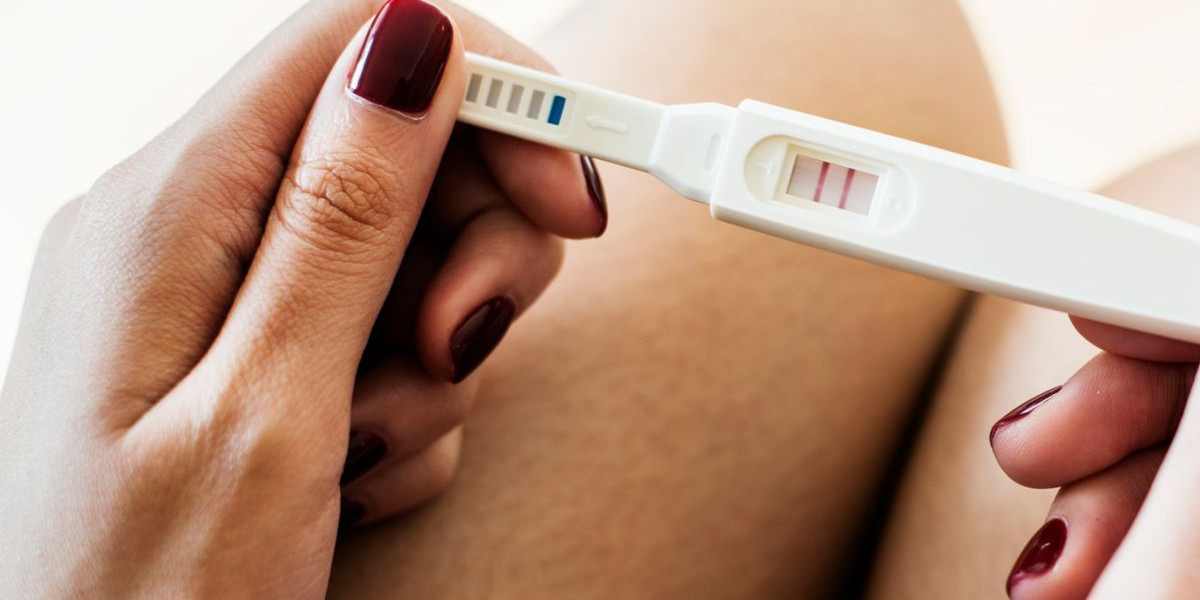

A pregnancy blood test is one of the most trusted laboratory methods for confirming pregnancy and evaluating its earliest stages. Unlike home urine pregnancy tests, which simply indicate whether pregnancy is likely, blood tests measure human chorionic gonadotropin (hCG) in the bloodstream with exceptional accuracy. Because hCG begins circulating in the blood shortly after implantation, pregnancy blood tests can often detect pregnancy earlier than urine-based methods.
One aspect that often causes confusion is the difference between qualitative and quantitative Pregnancy Blood Test Dubai. Although both tests detect hCG, they serve different medical purposes and provide different types of information. Healthcare providers select one or both depending on the patient's symptoms, medical history, fertility treatment, or pregnancy-related concerns.
This comprehensive guide explains how qualitative and quantitative pregnancy blood tests work, when each is recommended, how healthcare providers interpret the results, and why both play an important role in modern prenatal care.
The Science Behind Pregnancy Blood Testing:
Every pregnancy blood test is based on detecting human chorionic gonadotropin (hCG), often called the pregnancy hormone.
After fertilization, the embryo travels to the uterus and implants into the uterine lining. Once implantation occurs, specialized placental cells begin producing hCG. The hormone enters the bloodstream first before gradually appearing in urine.
Because laboratory equipment can identify extremely small amounts of hCG in blood, pregnancy blood tests provide earlier detection and greater sensitivity than most home pregnancy tests.
This biological process forms the foundation of both qualitative and quantitative testing.
Understanding the Two Main Types of Pregnancy Blood Tests:
Although both tests analyze the same hormone, they answer different medical questions.
Qualitative Pregnancy Blood Test:
A qualitative pregnancy blood test is designed to determine one thing:
Is hCG present in the bloodstream?
The laboratory reports the result as either:
Positive
Negative
This type of test does not measure the exact amount of hCG. Instead, it simply confirms whether the hormone has reached a detectable level that indicates pregnancy.
Healthcare providers commonly use qualitative testing when pregnancy confirmation is the primary goal.
Quantitative Pregnancy Blood Test:
A quantitative pregnancy blood test, also known as a beta hCG test, measures the exact concentration of hCG in the bloodstream.
Instead of providing a simple yes-or-no answer, the laboratory reports a numerical value expressed in mIU/mL (milli-international units per milliliter).
This detailed measurement allows healthcare providers to monitor hormone changes and evaluate pregnancy development over time.
Comparing Qualitative and Quantitative Testing:
Although both tests detect hCG, they differ in purpose, detail, and clinical application.
Information Provided:
A qualitative test answers whether pregnancy is present.
A quantitative test measures exactly how much hCG is circulating in the bloodstream.
Clinical Use:
Qualitative testing is commonly used for routine pregnancy confirmation.
Quantitative testing is recommended when healthcare providers need more detailed information about hormone progression or pregnancy monitoring.
Follow-Up:
Qualitative results usually do not require repeated measurement unless pregnancy remains uncertain.
Quantitative testing is frequently repeated every 48 to 72 hours to evaluate changing hormone levels during early pregnancy.
Both tests are valuable, but each serves a different role in patient care.
When Healthcare Providers Choose a Qualitative Test?
A qualitative pregnancy blood test is often recommended when confirming pregnancy is the primary objective.
Common situations include:
Missed menstrual period
Early pregnancy symptoms
Positive or uncertain home pregnancy test
Routine pregnancy confirmation
Medical evaluation before certain treatments or procedures
Because the result is straightforward, qualitative testing provides quick confirmation in many clinical situations.
When Quantitative Beta hCG Testing Is Recommended?
Quantitative testing becomes especially valuable when additional clinical information is needed.
Healthcare providers frequently order quantitative pregnancy blood tests for:
Fertility Treatment:
Patients undergoing IVF or assisted reproductive technology often receive serial beta hCG testing after embryo transfer.
Monitoring Early Pregnancy:
Doctors evaluate hormone progression during the first weeks of pregnancy.
Previous Pregnancy Loss:
Individuals with a history of miscarriage may require closer hormonal monitoring.
Suspected Ectopic Pregnancy:
Quantitative hCG levels, combined with ultrasound findings, assist healthcare providers in evaluating pregnancy location.
High-Risk Pregnancy:
Certain pregnancies require additional laboratory monitoring to guide medical decision-making.
Why Quantitative Testing Is More Than One Number?
Many patients focus on their exact hCG value after receiving laboratory results.
However, healthcare providers rarely interpret one measurement by itself.
Instead, they evaluate:
Pregnancy timing
Symptoms
Medical history
Ultrasound findings
Changes in hCG over time
The trend of hormone levels often provides far more meaningful information than a single laboratory result.
The Importance of hCG Trends:
One of the greatest strengths of quantitative pregnancy blood testing is the ability to monitor hormonal progression.
Healthcare providers commonly repeat beta hCG testing after 48 to 72 hours to observe changes in hormone levels.
Monitoring trends helps physicians:
Confirm early pregnancy progression
Evaluate fertility treatment outcomes
Investigate possible pregnancy complications
Determine whether additional imaging is needed
Trend analysis is a key reason quantitative testing plays such an important role in prenatal medicine.
What Happens During the Blood Test?
Whether you receive a qualitative or quantitative pregnancy blood test, the procedure is nearly identical.
A healthcare professional will:
Verify your medical information.
Clean the skin on your arm.
Insert a sterile needle into a vein.
Collect a small blood sample.
Send the sample to a certified laboratory.
The procedure usually takes only a few minutes and requires little preparation.
Most individuals experience only mild discomfort.
How Long Do Results Take?
Laboratory processing times vary depending on the healthcare facility.
Many patients receive results:
Within several hours
Later the same day
By the next business day
Your healthcare provider will explain the findings and discuss any recommended follow-up care.
Advantages of Pregnancy Blood Testing:
Both qualitative and quantitative blood tests offer several important advantages.
Earlier Detection:
Blood tests detect pregnancy sooner because hCG enters the bloodstream before urine.
Exceptional Accuracy:
Laboratory pregnancy blood tests are generally more than 99% accurate when performed at the appropriate time.
Professional Evaluation:
Healthcare providers interpret the results within the context of your symptoms and medical history.
Better Monitoring:
Quantitative testing allows repeated measurement of hCG throughout early pregnancy.
Support for Prenatal Care:
Early diagnosis enables healthcare providers to begin prenatal care sooner.
Factors That Can Affect Test Interpretation:
Although pregnancy blood tests are highly reliable, several factors may influence interpretation.
These include:
Testing before implantation
Delayed ovulation
Fertility medications containing hCG
Recent pregnancy
Rare medical conditions
Healthcare providers consider these factors before drawing conclusions from laboratory results.
Frequently Asked Questions:
Which pregnancy blood test is more accurate?
Both qualitative and quantitative tests are highly accurate. The difference lies in the information they provide rather than their reliability.
Why would my doctor order a quantitative test instead of a qualitative test?
Quantitative testing measures exact hCG levels, making it useful for monitoring pregnancy progression, fertility treatment, or possible pregnancy complications.
Can qualitative testing detect pregnancy early?
Yes. Qualitative blood tests detect pregnancy earlier than most urine pregnancy tests because hCG appears in blood first.
Is one blood sample enough?
For qualitative testing, one sample is often sufficient.
For quantitative testing, repeat blood samples may be recommended to evaluate hormone trends.
Do I need to fast before testing?
No. Pregnancy blood tests generally do not require fasting unless additional laboratory tests are scheduled.
Choosing the Right Test for Your Situation:
The appropriate pregnancy blood test depends on your healthcare needs.
If the goal is simply confirming pregnancy, a qualitative blood test is often appropriate.
If your healthcare provider needs detailed information about hormone levels, pregnancy progression, fertility treatment, or potential complications, a quantitative beta hCG test provides significantly more clinical insight.
Rather than choosing between the two independently, it is best to follow the recommendation of your healthcare provider based on your individual medical circumstances.
Final Thoughts:
A pregnancy blood Lab tests is one of the most reliable and informative methods available for confirming pregnancy and supporting early prenatal care. Both qualitative and quantitative testing measure human chorionic gonadotropin (hCG), but they serve different purposes. A qualitative test confirms whether pregnancy is present, while a quantitative beta hCG test measures the exact hormone level, allowing healthcare providers to monitor pregnancy progression and make more informed clinical decisions.
Understanding the differences between these two types of testing helps expecting parents feel more confident during the early stages of pregnancy. Whether you are confirming a pregnancy after noticing symptoms, monitoring fertility treatment, or receiving follow-up care for a high-risk pregnancy, pregnancy blood testing provides accurate information that guides timely medical care. Combined with professional interpretation, regular prenatal visits, and ultrasound examinations when appropriate, these tests form an essential part of ensuring a healthy pregnancy journey from the very beginning.