
Multi-tenant 3PL operations are not the easy Warehouse Management Systems use case anymore. The combination of client-mix volatility, automation-vendor proliferation, rising labor costs, and a growing intolerance for warehouse downtime has narrowed the field of vendors that can credibly support a modern 3PL execution stack. Buyers running multi-client distribution operations are increasingly evaluating WMS not just on functional depth, but on three pressure points: how quickly new clients can be onboarded without custom code, how the platform orchestrates heterogeneous automation, and how resilient warehouse execution remains when cloud connectivity degrades.
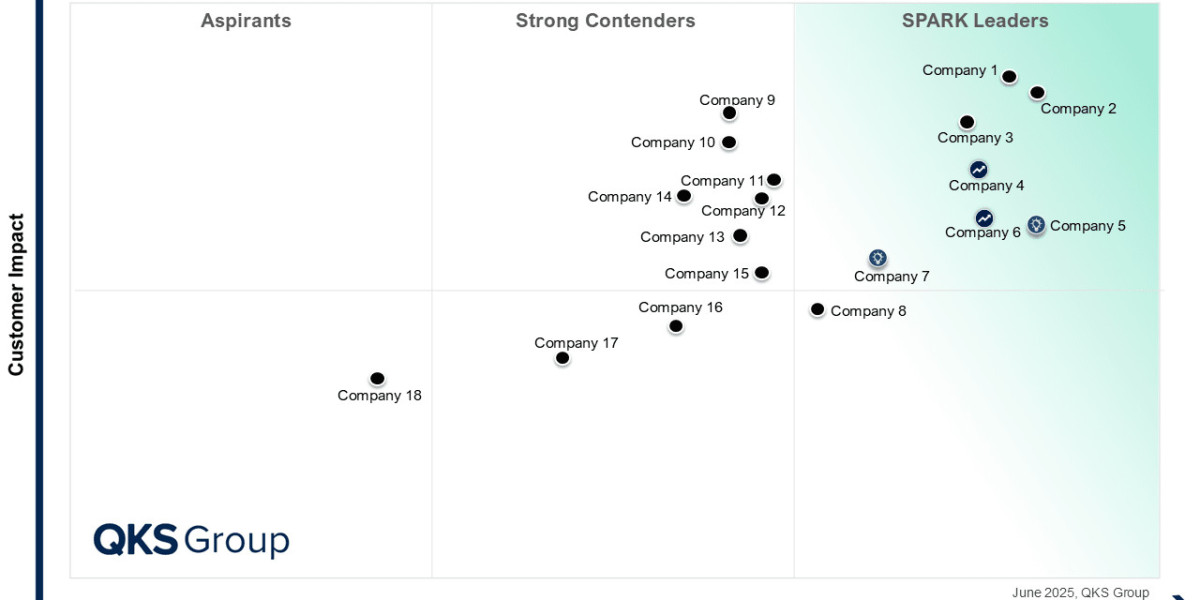
Against that backdrop, the WMS SPARK Matrix 2026 evaluation surfaced three vendors with clearly differentiated positions for 3PL buyers each addressing a distinct dimension of where the use case is moving.
What's actually changing
Onboarding speed is now a commercial weapon. Vendors are reporting deployment timelines materially shorter than the 6–12 month norm associated with Tier 1 platforms, particularly for bundled SaaS engagements. Rules-based configuration, self-implementation tools, and reusable client templates are increasingly treated as core capabilities rather than premium add-ons.
Automation orchestration has become a platform layer, not a project. 3PL operators are no longer standardizing on a single automation vendor. They are running mixed environments ASRS, AMRs, conveyors, put walls, goods-to-person often from four or five suppliers. Vendors that have invested in device-agnostic orchestration layers have a structural advantage that is difficult to replicate after the fact.
Agentic AI is moving from demoware to embedded workflow. Multiple vendors have shipped first-generation conversational AI in 2025. The more interesting trajectory is task-level agents, labor coaching, inventory resolution, exception handling embedded in the execution layer itself. Roadmap items here outnumber GA capabilities, and buyers should price the gap accordingly.
Vendors worth evaluating
Infios is positioning around Connected Execution, coordinating Warehouse Management Systems, OMS, and TMS through the Infios Archer agent layer, with agentic skills (Inventory Resolution, Labor Coaching, Order Anomaly Detection, Check Calls) embedded into execution rather than bolted on as separate dashboards. For 3PL buyers operating across multiple supply chain execution domains, the value proposition is consolidation of orchestration logic into a single platform layer. The caveat: the modern microservices platform is still in its early ramp, so buyers attracted to the new architecture should validate migration timelines against their own deployment windows rather than the platform vision.
Synergy Logistics (SnapFulfil) anchors a credible 3PL-centric position around two capabilities that directly drive 3PL economics: the Rules Engine, which enables rapid client onboarding through self-configuration rather than custom development, and SnapControl, a device-agnostic orchestration layer that coordinates ASRS, AMRs, conveyors, put walls, and goods-to-person systems. Notable on the roadmap is ORCA, a hybrid edge-to-cloud architecture aimed at automation-heavy environments where cloud-only execution is now seen as an availability risk. ORCA is roadmap-stage and not yet generally available 3PL buyers attracted to the resiliency thesis should anchor commercial terms to specific availability milestones, not the architectural narrative.
Deposco is structurally designed around the multi-tenant 3PL operating model. The 3PL Portal, billing reconciliation engine, and Felix agent team (Labor Analyst, Inventory Analyst, CSR, Configuration Agent) are designed around the reality that 3PLs need to reduce their own customer service burden while giving brand clients real-time visibility into inventory, labor, and performance. Labor Intelligence is positioned as available without time studies sdefensible as a benchmarking and visibility layer, but buyers should distinguish between an analytics-grade view of labor and a fully engineered labor standards program if pay-for-performance models are in scope.
What 3PL buyers should evaluate
Five criteria separate credible candidates from also-rans in this segment:
Multi-tenancy depth - owner-level inventory models, client segregation, billing engine maturity, and the ability to run divergent SLAs side-by-side
Automation orchestration breadth - the number of WCS, WES, and AMR vendors natively integrated, not partner-listed
Resilience architecture - cloud-only versus hybrid edge-to-cloud, and a clear line between what is GA today and what is announced
AI: GA versus roadmap - agentic skills shipping in production environments, not demoed in vendor briefings
Client onboarding speed - defensible deployment timelines tied to specific configuration tools, not aspirational benchmarks
The vendors moving fastest in this segment are the ones treating 3PL execution as a platform discipline rather than a vertical accessory. For buyers evaluating Warehouse Management Systems in 2026, that distinction is the one that should shape the shortlist.