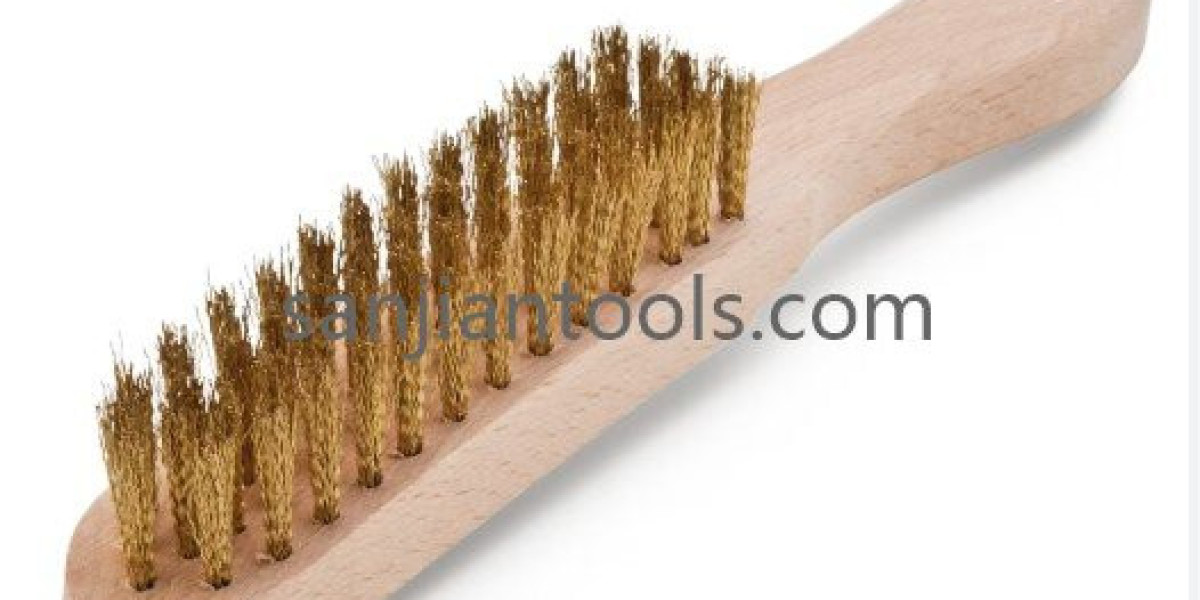

Modern cleaning environments require practical tools capable of adapting to different surfaces, working conditions, and maintenance routines. Whether used in commercial facilities, industrial workshops, retail spaces, or residential environments, reliable cleaning equipment helps improve efficiency while supporting consistent maintenance standards. Designed to meet a broad range of daily cleaning requirements, the Commodity Brush has become an essential solution because of its versatility, durability, and dependable operational performance.
Successful product development begins with understanding how cleaning tools are used across different environments. Dust, loose particles, everyday debris, and light surface contamination present different challenges depending on the application. Engineers analyze these conditions before determining the most suitable structural design and material combination, ensuring that the finished product delivers balanced cleaning performance while remaining easy to control during operation.
Material engineering is one of the most important aspects of brush manufacturing. Modern production utilizes carefully selected synthetic fibers and durable support materials that provide an effective balance between flexibility and wear resistance. These materials are designed to maintain their original shape after repeated use, helping the brush deliver reliable cleaning capability throughout its service life. Careful material selection also contributes to improved structural stability and reduced maintenance requirements.
Precision manufacturing technology plays a critical role in achieving consistent product quality. Automated production equipment controls fiber placement, structural assembly, and dimensional accuracy to ensure uniform manufacturing standards across every product. Stable production processes allow users to experience dependable cleaning performance regardless of where or how the brush is used.
Structural engineering directly affects cleaning efficiency. Engineers optimize the arrangement of cleaning fibers to create even surface contact and balanced pressure distribution during operation. This design approach improves debris removal while reducing unnecessary wear on both the cleaning tool and the working surface. Consistent contact also allows users to maintain predictable cleaning performance throughout different maintenance tasks.
Durability remains an essential objective during product development. Daily cleaning tools are frequently exposed to continuous friction, repeated handling, and changing environmental conditions. Manufacturers reinforce structural components and carefully evaluate material performance to improve resistance to long-term wear. A durable design helps extend product lifespan while maintaining reliable functionality over time.
Efficiency is another important consideration in modern cleaning equipment. Well-designed products allow users to complete routine maintenance more quickly without compromising cleaning quality. Improved cleaning efficiency supports higher productivity in industrial facilities while making everyday cleaning tasks more convenient in commercial and residential environments.
Versatility further increases product value. Multi-purpose cleaning tools are expected to perform effectively on different surfaces and under various working conditions. Flexible structural design enables the brush to support multiple maintenance applications, allowing users to reduce the number of specialized cleaning tools required for routine operations.
User comfort is also incorporated into the engineering process. Balanced construction, comfortable grip characteristics, and improved operational stability help reduce fatigue during extended cleaning sessions. Better ergonomics also improve overall control, allowing users to perform maintenance work more accurately and consistently.
Continuous innovation drives improvements throughout brush manufacturing. Engineers continue researching advanced production technologies, optimized structural configurations, and improved material combinations that enhance durability, operational efficiency, and product reliability. These developments enable manufacturers to meet evolving customer expectations while maintaining competitive manufacturing standards.
Environmental responsibility has become increasingly important throughout the manufacturing industry. Efficient production methods reduce unnecessary material waste while improving resource utilization across the production process. Products designed for extended service life also contribute to sustainability by reducing replacement frequency and supporting responsible resource management.
Comprehensive quality assurance ensures dependable product performance before delivery. Raw materials are carefully inspected, production processes are continuously monitored, and finished products undergo detailed evaluations to verify structural integrity, manufacturing consistency, and functional reliability. These quality control procedures help maintain the high standards expected by professional users worldwide.
Sanjian Tools Co., Ltd. continues to strengthen its global reputation through advanced engineering, precision manufacturing, and strict quality management. By focusing on practical innovation and dependable production standards, the company supplies reliable cleaning solutions for customers across multiple industries. The Commodity Brush demonstrates this commitment to long-term performance and manufacturing excellence, and additional information about the company's professional brush products can be found by visiting https://www.sanjiantools.com/product as part of its complete range of cleaning tool solutions.