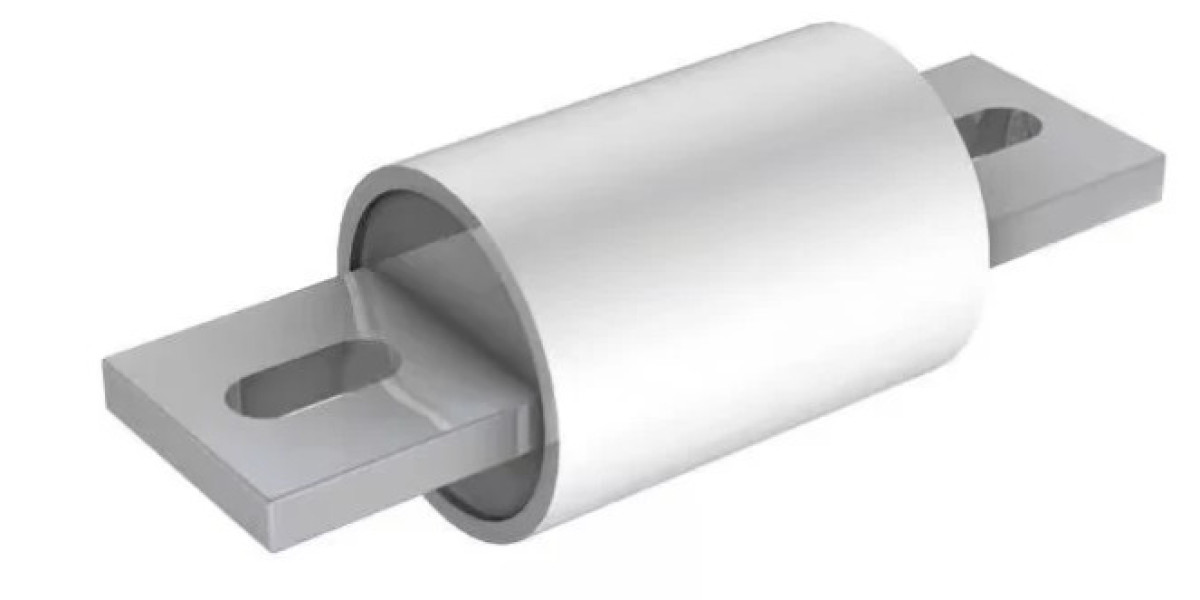

A PCB mount fuse holder is one of those components that rarely gets the spotlight, yet it quietly determines whether your circuit survives a fault or ends up damaged beyond repair. Over the years, I’ve come to appreciate how much engineering thought goes into this seemingly simple part. When you look closely, you realize it’s not just a plastic clip or enclosure—it’s a carefully designed interface between your fuse and the rest of your system, responsible for mechanical stability, electrical reliability, and long‑term durability.Get more news about PCB mount fuse holder,you can vist our website!
From a design standpoint, PCB mount fuse holders come in several forms. Some are open‑frame clips that allow quick fuse replacement, while others are fully enclosed housings that protect the fuse from dust, vibration, and accidental contact. I’ve always found it interesting how the choice between these styles reflects the priorities of the device. Consumer electronics often favor low‑profile clips to save space, while industrial equipment leans toward enclosed holders for added protection. In my own projects, I’ve learned that choosing the wrong style can lead to frustrating issues—like fuses loosening under vibration or overheating due to poor airflow.
One of the most defining characteristics of a PCB fuse holder is its material composition. High‑temperature thermoplastics and metal clips are common, but not all materials behave the same under stress. I once encountered a fuse holder that softened over time because it wasn’t rated for the heat generated during normal operation. The fuse began to sit loosely, creating resistance and eventually scorching the board. That experience taught me to pay close attention to temperature ratings and material specifications. A few cents saved upfront can turn into hours of troubleshooting later.
Electrical performance is another area where fuse holders differ more than people expect. The contact resistance between the fuse and the holder must remain low and stable. Tin‑plated or nickel‑plated contacts are often preferred because they resist corrosion and maintain conductivity over time. In humid environments or applications with fluctuating temperatures, this becomes especially important. A fuse holder with poor plating may work fine initially but degrade quickly, leading to intermittent failures that are notoriously difficult to diagnose.
When evaluating PCB mount fuse holders, I also consider installation style. Through‑hole versions offer strong mechanical stability, making them ideal for high‑vibration environments like automotive or industrial machinery. Surface‑mount holders, on the other hand, are perfect for compact designs and automated assembly lines. Personally, I prefer through‑hole holders for prototypes because they’re easier to replace and more forgiving during manual soldering. But in mass production, surface‑mount options save time and reduce assembly costs.
Safety certifications such as UL, IEC, and RoHS also play a major role. These standards ensure that the fuse holder can withstand specific voltage levels, flammability tests, and environmental conditions. Some designers treat certifications as bureaucratic hurdles, but I see them as a form of insurance. A certified fuse holder has been tested under conditions that most small manufacturers could never replicate. When you’re building something meant to last, that peace of mind matters.
Product Characteristics Worth Noting
Mechanical stability — Good holders maintain firm contact even under vibration.
Thermal resistance — High‑temperature materials prevent deformation and ensure long‑term reliability.
Low contact resistance — Essential for consistent electrical performance.
Ease of replacement — Open‑frame clips excel here, while enclosed holders offer better protection.
Certification compliance — A must for commercial products.
My Personal Evaluation
In hands‑on use, the best PCB mount fuse holders are the ones you never notice. They sit quietly on the board, doing their job without drawing attention. The worst ones, however, make themselves known through loose connections, heat issues, or premature wear. I’ve found that higher‑quality holders—those with reinforced housings, plated contacts, and clear rating labels—consistently outperform cheaper alternatives. They feel sturdier during installation, hold the fuse more securely, and maintain performance even after repeated replacements.
Buying Advice
If you’re selecting a PCB mount fuse holder, consider the following:
Choose enclosed holders for harsh environments or devices exposed to dust and vibration.
Opt for through‑hole versions when mechanical stability is a priority.
Look for plated contacts to ensure long‑term conductivity.
Verify temperature ratings if your circuit handles high current.
Always check UL or IEC certifications for commercial or safety‑critical applications.
Final Thoughts
A PCB mount fuse holder may seem like a minor detail in a larger design, but it plays a crucial role in protecting your circuit. When chosen thoughtfully, it enhances reliability, simplifies maintenance, and ensures safety. When overlooked, it becomes a silent point of failure. In my experience, respecting these small components is part of what separates good engineering from great engineering.