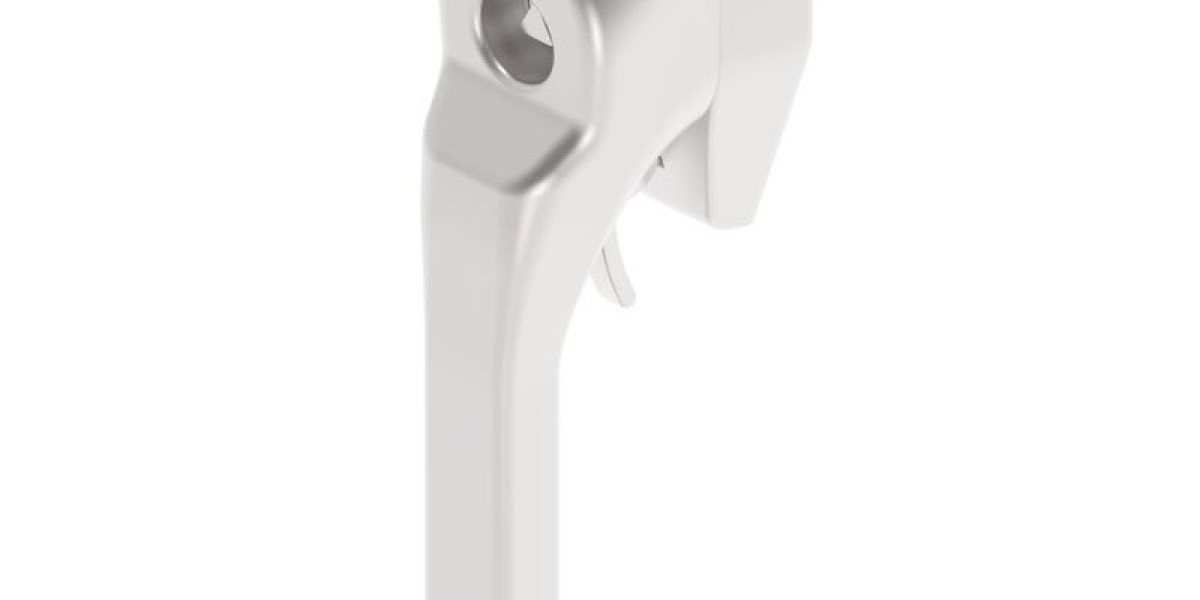

Marine slam latches may seem like small, almost forgettable components on a boat, but anyone who has spent time on the water knows how essential they are. These compact mechanisms—designed to secure hatches, doors, and compartments—carry a responsibility far larger than their size suggests. When I first began exploring how a marine slam latch manufacturer operates, I was struck by how much craftsmanship, testing, and intuition goes into creating something most people never notice. Yet that is precisely the point: the best marine hardware disappears into reliability.To get more news about Marine Slam Latches Manufacturer, you can visit forndlock.com official website.
The Demands of the Marine Environment
Saltwater is unforgiving. It corrodes, stains, and weakens anything that isn’t prepared for it. A good slam latch manufacturer understands this intimately. They choose materials like 316 stainless steel, reinforced polymers, or marine‑grade aluminum not because they sound impressive, but because they survive. Every latch must endure cycles of moisture, UV exposure, sudden impacts, and constant vibration.
What impressed me most is how manufacturers simulate real‑world conditions. Some expose latches to salt spray chambers for hundreds of hours. Others run mechanical endurance tests that mimic years of slamming, pulling, and twisting. It’s almost poetic: a tiny latch being pushed to its limits so that a boater never has to think twice about opening a hatch.
Precision Engineering Behind the Scenes
Marine slam latches rely on a deceptively simple mechanism: a spring‑loaded catch that locks automatically when pushed shut. But simplicity is only the surface. Inside, tolerances are tight, springs are calibrated, and moving parts are machined with near‑surgical accuracy.
Manufacturers often use CNC machining to achieve the smooth edges and perfect alignment needed for a latch to operate silently and consistently. I’ve always appreciated products that feel good in the hand, and a well‑made marine slam latch has that satisfying “click” that tells you everything is aligned exactly as it should be.
Some manufacturers even design custom latches for specific vessel types—sleek flush‑mount versions for luxury yachts, rugged polymer versions for fishing boats, or oversized models for commercial vessels. This adaptability shows how deeply they understand the needs of different users.
User Experience: The Human Side of Hardware
One angle that often gets overlooked is how these latches affect the boating experience. A poorly designed latch can rattle, jam, or require awkward force to operate. On a calm lake, that’s annoying. In rough seas, it’s dangerous.
Manufacturers who prioritize ergonomics make a noticeable difference. They consider grip comfort, one‑handed operation, and even how the latch feels when someone is wearing gloves. I’ve seen designs with curved edges that prevent accidental snagging, and others with recessed profiles that blend seamlessly into the boat’s surface.
This attention to detail reveals something important: marine slam latch manufacturers aren’t just making hardware; they’re shaping how people interact with their vessels.
Innovation and Modern Trends
The marine industry is evolving, and slam latch manufacturers are keeping pace. Some trends I’ve noticed include:
Corrosion‑resistant materials — More advanced alloys and coatings that extend lifespan.
Lightweight composite designs — Reducing weight without sacrificing strength.
Smart hardware integration — Latches with sensors that detect open compartments.
Customizable aesthetics — Color‑matched finishes for modern boat designs.
These innovations show how manufacturers balance tradition with technology. The ocean hasn’t changed, but the tools we use to navigate it certainly have.
My Personal Take
I’ve always admired industries where small components carry big responsibilities. Marine slam latch manufacturers embody that philosophy. Their work is quiet, meticulous, and often unseen, yet it directly contributes to safety, comfort, and confidence on the water.
What stands out most is the blend of engineering discipline and intuitive understanding of marine life. These manufacturers don’t just build hardware—they build trust. And in an environment as unpredictable as the ocean, trust is everything.