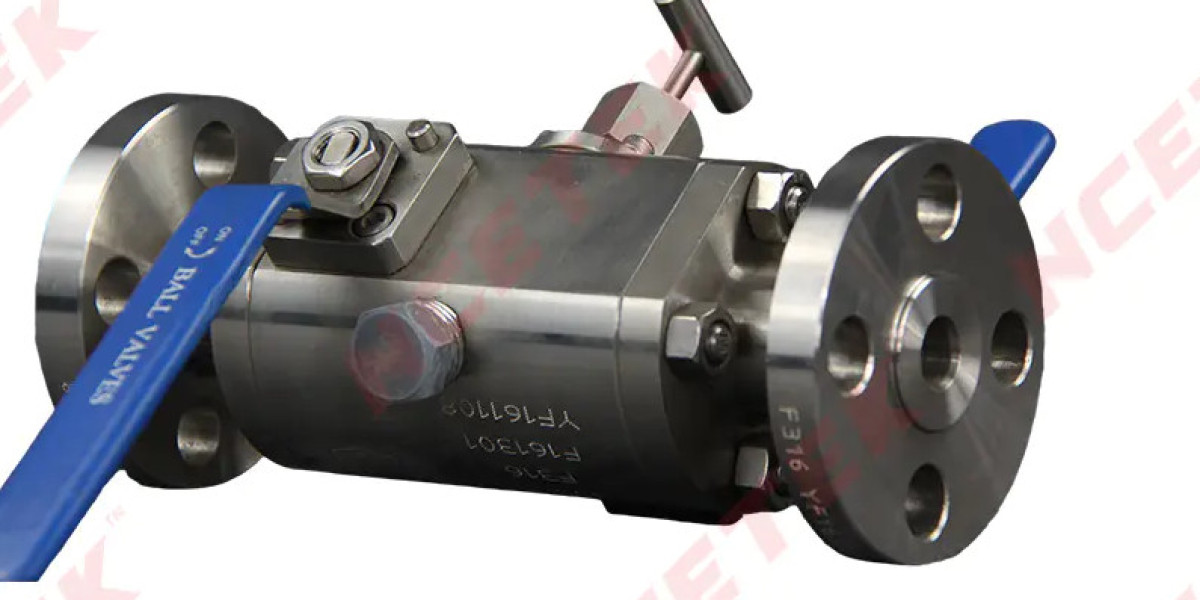

Low-temperature industrial processes require specialized equipment that can maintain reliable operation under extreme environmental conditions. Industries involved in LNG transportation, industrial gas processing, energy infrastructure, and chemical production depend on valves that can withstand significant temperature changes while maintaining sealing performance and operational safety. Selecting a professional Cryogenic Ball Valve Design solution allows companies to improve system reliability, enhance flow control efficiency, and support stable performance in demanding cryogenic applications.
Cryogenic environments create unique engineering challenges because extremely low temperatures can influence material behavior, component dimensions, and sealing effectiveness. When temperatures decrease, metals may contract and mechanical characteristics can change. Engineers must consider these factors during the design stage to ensure that valve components continue operating accurately throughout cooling cycles and long-term service periods.
Material selection is one of the most important considerations in cryogenic valve development. Stainless steel, duplex stainless steel, and specialized alloys are commonly evaluated for their excellent mechanical stability and resistance to low-temperature conditions. These materials help maintain structural strength while supporting reliable operation in applications involving LNG, oxygen, nitrogen, hydrogen, and other low-temperature media.
Thermal contraction management plays a critical role in valve reliability. Different internal components may experience different levels of dimensional change when exposed to temperature variations. Advanced engineering methods are used to optimize valve body structures, stem designs, and sealing systems to accommodate these changes. Proper thermal design helps prevent operational problems and maintains smooth valve movement.
Sealing performance is essential for cryogenic applications where leakage prevention is a major safety requirement. Specialized sealing structures are developed to maintain effective contact under extreme temperature conditions. Reliable sealing protects valuable process media, improves system safety, and reduces the possibility of maintenance issues caused by performance degradation.
Manufacturing precision directly affects the quality and reliability of cryogenic valves. Components such as valve bodies, balls, stems, and seats require highly accurate machining and strict quality inspection. Modern CNC technology, advanced testing equipment, and controlled assembly procedures ensure that each component meets demanding industrial requirements and performs consistently during operation.
Flow efficiency is another important factor in cryogenic pipeline systems. Optimized internal passages help reduce pressure loss and turbulence, allowing low-temperature fluids to move smoothly through transportation and processing equipment. Improved flow characteristics support better process control and contribute to more efficient energy utilization.
Durability is a key requirement for equipment used in extreme environments. Cryogenic systems often experience repeated cooling and warming cycles, pressure fluctuations, and continuous operation. Strong materials, optimized structures, and advanced manufacturing methods improve resistance against fatigue, mechanical stress, and environmental challenges, helping extend valve service life.
Maintenance efficiency provides additional value for industrial operators. Reliable valve structures reduce the frequency of repairs and allow maintenance teams to perform inspections more effectively. Longer service intervals help minimize production interruptions while improving operational continuity for large-scale industrial facilities.
Cryogenic valve technology supports many critical industries. LNG terminals rely on dependable flow control equipment for storage and transportation systems. Industrial gas companies require specialized valves for handling low-temperature gases. Petrochemical plants and energy projects also depend on reliable valve solutions to maintain safe and efficient production processes.
Automation technologies continue improving cryogenic system management. Electric, pneumatic, and hydraulic actuators enable precise operation, while digital monitoring platforms provide real-time information about equipment status. Predictive maintenance technologies help identify potential issues before failures occur, improving reliability and reducing unexpected downtime.
Environmental efficiency is becoming increasingly important in industrial equipment selection. Effective sealing systems help reduce product losses, while durable valve construction lowers replacement frequency and resource consumption. These advantages support more sustainable industrial development while maintaining dependable operational performance.
Customized engineering capabilities allow manufacturers to meet different project requirements. Valve materials, pressure ratings, connection methods, and structural designs can be adjusted according to specific application conditions. Flexible manufacturing enables better integration with various pipeline systems and specialized industrial processes.
Companies requiring dependable Cryogenic Ball Valve Design solutions can rely on Zhejiang Naishi Valve Co., Ltd. for advanced engineering, precision manufacturing, and professional industrial valve expertise. The company provides reliable solutions for specialized applications, with complete product information available through https://www.ncevalve.com/product/ to support LNG, energy, petrochemical, and low-temperature pipeline projects worldwide.