
Applying for a visa can feel overwhelming, especially when you reach the stage of the immigration medical examination. Among the various medical requirements, the visa blood test is often the one that causes the most confusion. Many applicants imagine a complicated medical procedure or worry that a simple blood test could determine the outcome of their visa application. In reality, the process is much simpler than most people expect.
This guide explains the Visa Blood Test Dubai in plain, easy-to-understand language. Whether you're applying for a student visa, work visa, family sponsorship, or permanent residency, you'll learn why the blood test is required, what happens during the examination, how to prepare, and what the results mean—all without unnecessary medical jargon.
What Is a Visa Blood Test?
A visa blood test is a routine laboratory test completed as part of an immigration medical examination. It involves collecting a small sample of blood from your arm so that an approved laboratory can perform specific health screenings required by the destination country's immigration authority.
The blood test is not intended to evaluate every aspect of your health. Instead, it focuses only on medical conditions identified in the immigration regulations of the country you are applying to.
Think of it as one piece of a larger health assessment rather than a standalone examination.
Why Do Countries Ask for a Blood Test?
Every country wants to protect public health while processing immigration applications fairly and consistently. The visa blood test helps authorized panel physicians complete the medical examination according to official immigration requirements.
The blood test allows healthcare professionals to:
- Screen for certain communicable diseases
- Complete required immigration health assessments
- Support public health policies
- Prepare an accurate medical report for immigration authorities
It is a standard procedure followed by many countries for long-term visa categories.
Is Everyone Required to Take a Visa Blood Test?
Not always.
Whether you need a visa blood test depends on several factors, including:
- The country you are moving to
- The type of visa you are applying for
- Your age
- The length of your stay
- Immigration policies
For example, someone applying for permanent residency may have different medical requirements than someone visiting for a short holiday.
Always follow the instructions provided by the embassy or immigration authority handling your application.
What Happens Before the Blood Test?
Before any blood sample is collected, the clinic completes several important steps.
Registration:
When you arrive, staff members verify your identity using your passport and appointment details.
Medical History:
You will answer questions about your health, including:
- Current illnesses
- Previous surgeries
- Prescription medications
- Allergies
- Medical conditions
Providing honest answers helps the physician complete an accurate assessment.
Physical Examination:
The doctor may check:
- Blood pressure
- Height
- Weight
- Vision
- General physical health
Only after these steps does the blood collection usually begin.
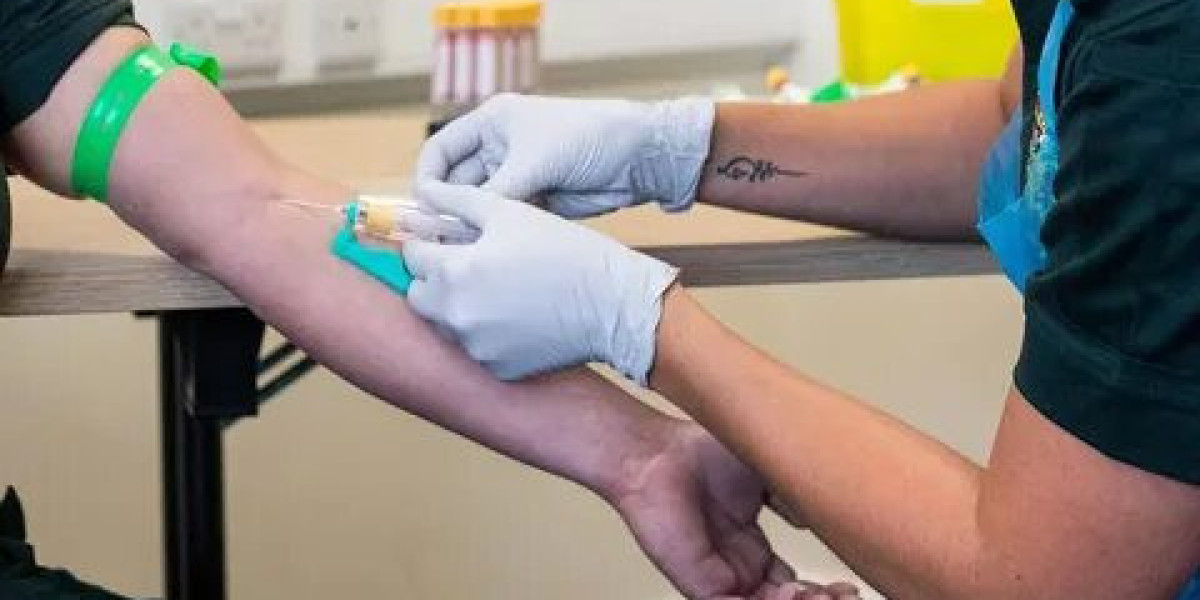
How Is the Blood Sample Collected?
Many people worry about this part of the process, but it is quick and straightforward.
A trained healthcare professional:
- Cleans the skin on your arm.
- Inserts a sterile needle into a vein.
- Collects a small blood sample.
- Removes the needle.
- Places a small bandage over the area.
The entire procedure generally takes only a few minutes.
Most applicants describe the feeling as a brief pinch that disappears quickly.
What Does the Blood Test Check?
The exact laboratory tests depend on the immigration requirements of your destination country.
Depending on official guidelines, the laboratory may screen for:
- Syphilis
- HIV where permitted under applicable immigration regulations
- Other communicable diseases required for immigration purposes
The panel physician follows the destination country's official medical instructions rather than ordering unnecessary tests.
Does the Blood Test Hurt?
This is one of the most frequently asked questions.
The answer is that most people experience only minor discomfort.
The needle remains in the vein for only a short time, and the procedure is performed by trained medical professionals who collect blood samples every day.
If you are nervous about needles, tell the technician before the procedure begins. They are experienced in helping anxious patients feel comfortable.
Do You Need to Fast?
Many applicants believe they must avoid eating before every immigration blood test.
This is not always true.
Some clinics require fasting, while others do not.
Before your appointment:
- Contact the medical center.
- Ask whether fasting is required.
- Follow the instructions you receive.
- Do not skip meals unless advised.
Following the clinic's preparation guidelines helps prevent unnecessary repeat testing.
How Can You Prepare for the Appointment?
Preparing for your visa blood test is easier than most applicants expect.
A few simple habits can help make the experience more comfortable.
Stay Hydrated:
Drink enough water before your appointment unless instructed otherwise.
Good hydration often makes blood collection easier.
Sleep Well:
Getting enough rest helps reduce anxiety and allows you to feel more relaxed during the examination.
Eat Normally if Allowed:
If fasting is not required, eat a balanced meal before your appointment.
Wear Comfortable Clothing:
Choose clothing with sleeves that can easily be rolled up.
This makes blood collection quicker and more convenient.
What Documents Should You Bring?
Every medical center has its own requirements, but applicants commonly need:
- Valid passport
- Appointment confirmation
- Visa application reference
- Vaccination records if requested
- Prescription medication list
- Previous medical reports if applicable
Preparing your documents in advance helps registration proceed smoothly.
What Happens After the Blood Test?
Once your blood sample is collected, it is sent to a laboratory for analysis.
The process usually includes:
Laboratory Testing:
Qualified laboratory professionals perform the required immigration tests.
Physician Review:
The authorized panel physician reviews:
- Blood test findings
- Medical history
- Physical examination
- Additional medical assessments
Report Submission:
Depending on immigration procedures, the clinic may:
- Send reports electronically
- Submit results directly to immigration authorities
- Contact you if additional testing is needed
Applicants are usually informed if any further action is required.
What If My Results Are Not Normal?
Many applicants become worried if they hear the words "additional testing."
An unexpected laboratory finding does not automatically mean your visa application will be refused.
Sometimes physicians simply need:
- Repeat testing
- Additional laboratory work
- Specialist consultation
- Further medical information
Immigration decisions are based on official medical guidelines rather than a single blood test result.
Common Myths About Visa Blood Tests:
There is a lot of misinformation online about immigration medical examinations.
Let's separate fact from fiction.
Myth: Every Applicant Has the Same Blood Test
False.
Testing requirements vary according to the destination country and visa category.
Myth: The Blood Test Decides Your Visa
False.
The blood test is only one part of the complete immigration medical examination.
Myth: Healthy People Can Skip It
False.
If your visa category requires a medical examination, every eligible applicant must complete it regardless of how healthy they feel.
Myth: Blood Collection Is Dangerous
False.
Approved medical centers use sterile, single-use equipment and follow strict safety procedures.
Simple Tips for a Stress-Free Experience:
If you feel nervous before your appointment, these practical suggestions can help:
- Arrive early.
- Drink enough water.
- Bring all required documents.
- Relax your arm during blood collection.
- Tell the technician if you feel anxious.
- Follow the clinic's preparation instructions carefully.
Most applicants complete the blood test in only a few minutes.
Frequently Asked Questions:
Can I Continue Taking My Medication?
In most cases, yes. Continue taking prescribed medication unless your doctor or the medical center advises otherwise.
How Long Does the Entire Medical Examination Take?
Most appointments are completed within one to three hours, depending on the required tests.
Can I Choose Any Clinic?
No. Immigration medical examinations must usually be completed at an authorized panel physician or approved medical center.
Are My Medical Records Confidential?
Yes. Your medical information is handled according to applicable privacy laws and shared only with authorized parties involved in processing your visa application.
Final Thoughts:
A visa blood Lab tests may sound intimidating at first, but it is actually one of the simplest parts of the immigration medical examination. It involves a quick blood sample, a few routine laboratory screenings, and a professional medical review conducted according to your destination country's immigration requirements. The procedure is safe, efficient, and designed to support public health rather than create unnecessary obstacles for applicants.
The best way to prepare is by understanding the process, following the instructions provided by your approved medical center, bringing the required documents, and being honest about your medical history. Staying hydrated, getting enough rest, and arriving on time can also make your appointment more comfortable.
By understanding the visa blood test in simple terms, you can approach your immigration medical examination with confidence, avoid common misunderstandings, and move one step closer to achieving your travel, education, employment, or permanent residency goals.