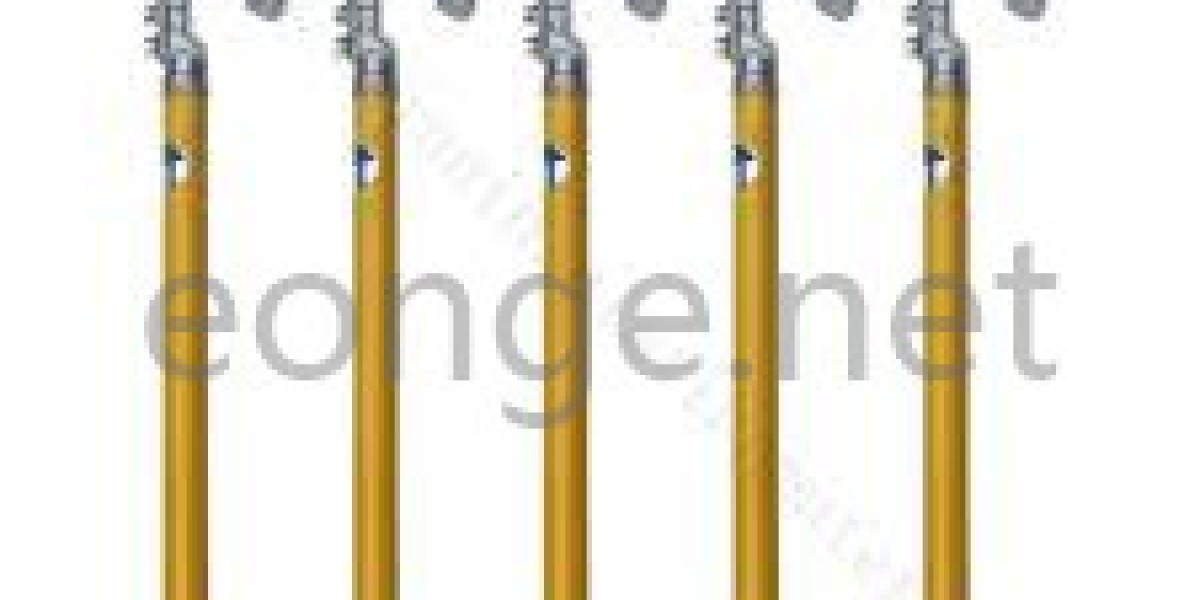

The expansion of modern electrical networks requires advanced equipment that can maintain stable operation while supporting efficient power management. In high-performance energy systems, the High Voltage Capacitor Installation provides reliable support through advanced material selection, optimized structural design, and precise manufacturing processes. The continuous development of capacitor technology focuses on improving electrical stability, environmental adaptability, and long-term durability to meet the changing demands of modern power infrastructure.
Material engineering forms the foundation of reliable capacitor installation solutions. Engineers carefully analyze conductive materials to ensure excellent electrical performance and mechanical strength during continuous operation. Insulation materials are also selected according to their dielectric stability, resistance to environmental influences, and compatibility with internal components. The combination of these materials creates a dependable structure that supports safe and efficient electrical performance.
Dielectric insulation technology remains a core element in capacitor development. Modern insulation materials are designed to maintain consistent electrical separation while resisting moisture, contamination, temperature variation, and aging effects. Advanced polymer materials and composite insulation technologies continue to improve reliability by providing stronger resistance against environmental stress. These developments help capacitor systems maintain stable performance throughout extended service periods.
Structural design optimization plays an important role in improving equipment reliability. Engineers carefully arrange internal components to achieve balanced electrical distribution and enhance mechanical stability. Proper structural design reduces unnecessary stress within the system and helps protect sensitive insulation layers. Through advanced engineering analysis, manufacturers can create capacitor solutions that maintain reliable performance under different operating environments.
Precision manufacturing ensures that capacitor products achieve consistent quality standards. Modern production facilities apply automated processing methods, controlled manufacturing procedures, and detailed inspection systems to maintain accuracy throughout production. Each stage, including material preparation, component assembly, insulation integration, and final testing, follows strict quality requirements. This approach improves product consistency and supports dependable field performance.
Environmental protection is another important factor in capacitor installation design. Electrical equipment often operates in environments affected by humidity, dust, temperature changes, and corrosive conditions. Manufacturers utilize protective materials, durable enclosure structures, and advanced sealing technologies to reduce environmental impact. These solutions help preserve internal component performance and extend equipment service life.
Thermal stability contributes significantly to the reliability of capacitor systems. During operation, electrical components generate heat that may influence material performance over time. Engineers optimize internal structures to support efficient heat dissipation and select materials with stable thermal characteristics. Effective thermal management reduces stress on insulation systems and helps maintain consistent electrical operation.
Mechanical strength is essential for ensuring long-term stability after installation. Capacitor equipment must withstand transportation, installation processes, vibration, and continuous operational conditions. Reinforced structural components help maintain accurate positioning and reduce the influence of external mechanical forces. Strong mechanical performance contributes to reliable operation and lowers the possibility of maintenance issues.
Quality control systems support every stage of capacitor manufacturing and application. Manufacturers conduct comprehensive evaluations of raw materials, production accuracy, insulation performance, and structural reliability. Continuous improvement programs help optimize manufacturing processes while maintaining strict quality standards. These practices ensure that capacitor solutions can meet the requirements of modern electrical systems.
Sustainable development is becoming increasingly important in electrical equipment manufacturing. Companies continue improving production efficiency through responsible material selection, reduced waste generation, and longer-lasting product designs. Durable capacitor solutions support sustainable infrastructure by extending operational lifecycles and improving resource utilization.
The future development of electrical systems will continue relying on advanced capacitor technologies that combine material innovation with engineering precision. Research into improved insulation systems, manufacturing automation, and structural optimization will further enhance product reliability and adaptability. These innovations support the transition toward more efficient and intelligent power networks.
As electrical infrastructure continues evolving, dependable capacitor technology remains an essential element of stable energy management. The High Voltage Capacitor Installation demonstrates how advanced materials, precision engineering, and manufacturing expertise work together to create reliable solutions for modern power applications. Shanghai Yongjin Electric Technology Co.,Ltd. continues to provide advanced capacitor technologies through professional research and manufacturing capabilities, and more information about related products and solutions can be explored through https://www.eonge.net/product while supporting the ongoing development of efficient global electrical infrastructure.