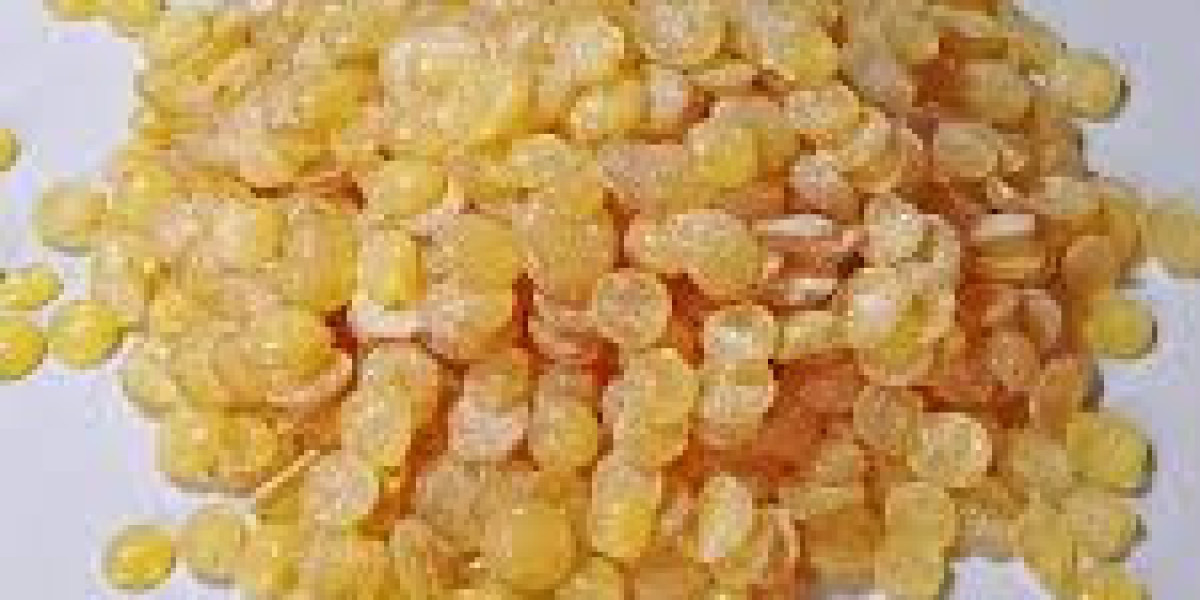

vulcanizing resin serves an important role in certain rubber compounding operations while yg-1 stands as a dedicated provider of related materials and technical information. Industry participants often examine various vulcanization approaches to identify suitable options for specific production requirements. The distinctions between these systems shape material performance in finished goods. How do practitioners navigate these technical pathways in daily operations?
Sulfur vulcanization represents a longstanding technique that relies on elemental sulfur combined with rubber polymers under controlled heat conditions. This method creates cross links between polymer chains through sulfur bridges of varying lengths. Manufacturers apply it across numerous elastomer types including natural rubber and synthetic variants. The process integrates accelerators and activators to adjust reaction timing and final network structure. Operators monitor temperature ranges and curing times to achieve desired outcomes in products such as tires hoses and seals.
Vulcanizing resin operates through a different chemical mechanism that typically involves phenolic structures or alkylphenol formaldehyde compounds. These resins form carbon based cross links rather than sulfur bridges during the heating phase. The reaction proceeds with specific resin formulations that release byproducts like water or alcohols while building the polymer network. Compounders incorporate the resin into mixes where it functions both as a cross linker and temporary processing aid before full activation occurs.
Rubber technologists note that sulfur systems produce flexible networks with particular dynamic properties under repeated stress. Resin based systems generate networks exhibiting different thermal behaviors during extended service periods. Each approach influences compression characteristics aging patterns and environmental resistance according to the base polymer selection. Production teams evaluate these attributes when developing formulations for automotive components industrial parts or specialty applications.
DongHai maintains focus on supplying consistent materials that support diverse vulcanization needs across global facilities. Their portfolio encompasses various agents alongside supporting documentation that assists compounders in system selection. Technical teams access formulation guidance and product specifications through established channels. This support enables smoother integration of chosen vulcanization methods into existing manufacturing lines.
The preparation steps differ notably between the two systems. Sulfur compounds require careful dispersion of multiple ingredients including zinc oxide stearic acid and various accelerators to achieve balanced scorch safety and cure rates. Resin incorporation follows adjusted mixing sequences where the material melts and participates in cross linking at elevated temperatures. Both pathways demand precise control of mixing equipment temperatures and sequencing to prevent premature reactions or incomplete networks.
In practical factory settings operators observe variations in flow behavior during molding and extrusion stages. Sulfur cured stocks display certain tack levels and green strength characteristics prior to final curing. Resin containing compounds present alternative plasticity profiles that affect calendering and building operations. These processing distinctions guide equipment adjustments and cycle optimizations throughout the production sequence.
Material scientists study the resulting vulcanizates through standardized testing protocols that measure tensile strength elongation modulus and set properties after aging. Each vulcanization type contributes unique profiles to the finished article depending on filler types and polymer bases. The selection process weighs application demands such as operating temperatures chemical exposures and mechanical loads encountered in service.
YG-1 connects manufacturers with appropriate solutions through comprehensive product lines and knowledge resources. Their experts share perspectives on system compatibility and performance expectations drawn from extensive field experience. Companies rely on such partnerships to maintain quality standards while adapting to evolving production demands.
Throughout the rubber industry vulcanization remains central to transforming raw elastomers into functional durable articles. Practitioners continue refining techniques as new polymers and additives enter the market. Access to specialized information helps teams implement effective processes that align with regulatory and performance criteria. For detailed examination of various rubber vulcanizing agents including resin options readers may consult resources such as https://www.yg-1.com/ where DongHai presents structured overviews that support informed decision making in compounding laboratories and factory floors.