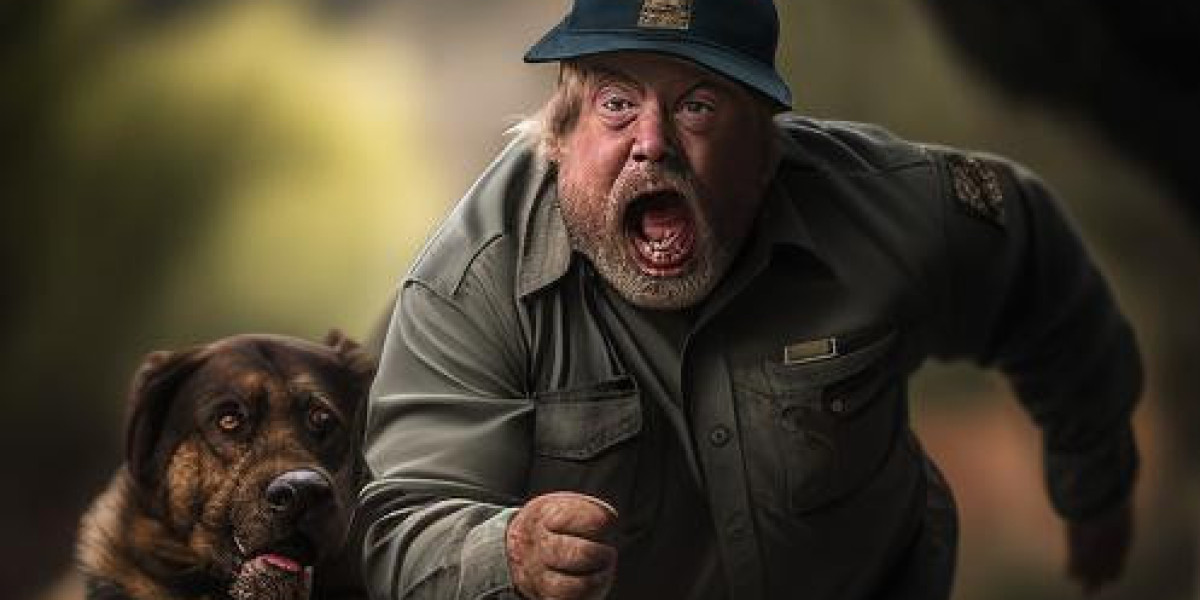

Dog bites can happen in neighborhoods, workplaces, parks, and even familiar homes. While many dogs are friendly and well-socialized, any dog may bite if it feels threatened, frightened, or protective. Understanding canine behavior and following simple safety practices can significantly reduce the risk of injury. Effective dog bite prevention is not only important for children and families but also for delivery drivers, utility workers, healthcare professionals, contractors, and anyone who regularly interacts with dogs.
Preventing dog bites starts with awareness. Learning to recognize a dog's body language, respecting its space, and responding appropriately during an encounter can help avoid situations that may escalate into aggression.
Why Dog Bites Occur
Dogs typically bite for a reason rather than without warning. Their behavior is often influenced by their environment, previous experiences, health, and interactions with people.
Common reasons a dog may bite include:
Fear or anxiety
Territorial behavior
Protecting food, toys, or puppies
Pain or illness
Lack of socialization
Feeling startled or cornered
Overstimulation during play
Understanding these triggers is the foundation of successful dog bite prevention because it helps people recognize situations that may increase risk.
Recognizing Warning Signs
Dogs usually communicate discomfort before they resort to biting. Paying attention to these signals allows people to create distance and avoid escalating the situation.
Common warning signs include:
Growling or snarling
Showing teeth
Raised fur along the back
Stiff body posture
Intense staring
Repeated barking
Lunging
Tail held high and rigid
Ears pinned back
Although these behaviors often indicate stress, some dogs may bite without displaying obvious warning signs. Therefore, caution should always be exercised around unfamiliar dogs.
Safe Ways to Approach a Dog
Meeting a dog respectfully reduces the likelihood of triggering defensive behavior.
Before approaching a dog:
Ask the owner's permission.
Allow the dog to approach first.
Let the dog sniff you before attempting contact.
Move slowly and calmly.
Avoid direct eye contact.
Pet the dog's shoulder or side instead of reaching over its head.
Never force interaction if a dog appears uncomfortable or attempts to move away.
Safety Tips for Children
Children are among the most common victims of dog bites because they may not recognize canine warning signals.
Parents should teach children to:
Never approach an unfamiliar dog without permission.
Avoid disturbing dogs while they are eating or sleeping.
Never pull ears, tails, or fur.
Stay calm around dogs.
Avoid hugging unfamiliar dogs.
Tell an adult if a loose dog is nearby.
Adult supervision is essential whenever young children interact with dogs, even family pets.
Dog Bite Prevention for Workers
Many occupations require employees to enter private properties where dogs may be present. Delivery drivers, postal workers, utility technicians, landscapers, and home healthcare providers face increased exposure to unfamiliar animals.
Workers can improve safety by:
Looking for warning signs before entering a property.
Listening for barking.
Checking gates and fences.
Avoiding areas where loose dogs are present.
Keeping equipment or delivery bags between themselves and a dog if necessary.
Remaining calm during encounters.
Employers should also provide regular training on canine behavior and workplace safety procedures.
What to Do If a Dog Approaches
If an unfamiliar dog approaches, staying calm is the safest response. Running may trigger the dog's instinct to chase.
Instead:
Stop moving.
Stand sideways rather than facing the dog directly.
Avoid staring into the dog's eyes.
Speak softly and calmly.
Slowly create distance without turning your back.
Place an object, such as a backpack or package, between yourself and the dog if needed.
These simple actions often help prevent the situation from escalating.
How to Respond During a Dog Attack
Although prevention is the goal, it is important to know how to react if an attack occurs.
If a dog attacks:
Protect your head, face, and neck.
Use a jacket, bag, or other object as a barrier.
Stay on your feet whenever possible.
Avoid sudden movements that could intensify the attack.
Move toward a secure location as soon as it is safe.
After reaching safety, seek immediate medical attention. Even minor bites should be evaluated because they can lead to infection.
The Responsibility of Dog Owners
Responsible ownership plays a major role in reducing dog bite incidents. Owners should ensure their dogs are properly trained, socialized, and supervised in public and around visitors.
Good practices include:
Keeping dogs on a leash when required.
Maintaining secure fences and gates.
Supervising interactions with children.
Providing regular veterinary care.
Using positive reinforcement training.
Addressing behavioral concerns early.
A well-managed dog is less likely to become involved in an avoidable incident.
When Professional Behavioral Assessment Is Needed
Some dogs display repeated signs of aggression or become involved in serious incidents. In these situations, a professional behavioral assessment can help identify the underlying causes and recommend appropriate management strategies.
Professionals experienced in canine behavior and dangerous dog evaluations can also assist attorneys, insurance companies, employers, and property owners in understanding the factors that contributed to a dog bite incident.
For organizations and legal professionals seeking expert guidance, Bulli Ray provides canine behavior evaluations, dangerous dog assessments, workplace safety consultation, and expert witness services. Their evidence-based approach supports informed decision-making in dog-related legal and safety matters.
Conclusion
Effective dog bite prevention begins with understanding canine behavior and respecting a dog's instincts. By recognizing warning signs, approaching dogs safely, supervising children, and following workplace safety practices, many bite incidents can be avoided. Dog owners, employers, and the public all share responsibility for creating safer interactions between people and dogs. Through education, awareness, and responsible management, communities can reduce injuries while promoting safer environments for everyone.