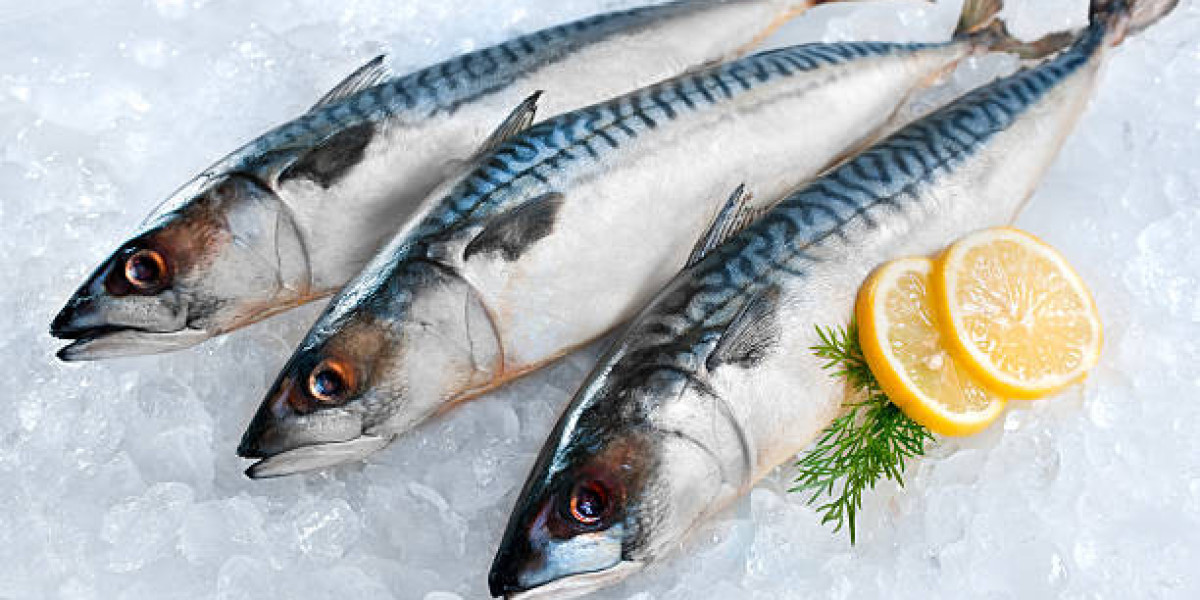

As per Market Research Future analysis, the Frozen Fish Seafood Market Size was estimated at 230.79 USD Billion in 2024. The Frozen Fish Seafood industry is projected to grow from 242.06 USD Billion in 2025 to 389.88 USD Billion by 2035, exhibiting a compound annual growth rate (CAGR) of 4.88% during the forecast period 2025 - 2035.
The increasing global consumption of seafood, rising demand for convenient food products, and improvements in cold chain infrastructure are significantly contributing to the expansion of the global frozen fish seafood industry. Consumers are increasingly choosing frozen seafood products due to their extended shelf life, convenience, and ability to maintain nutritional value. Frozen fish and seafood products provide a practical solution for households, restaurants, and foodservice providers seeking reliable seafood availability throughout the year. The growing adoption of frozen seafood products is encouraging producers to enhance processing capabilities, improve storage systems, and expand product varieties.
The increasing preference for protein-rich diets is one of the major factors supporting market development. Seafood is recognized as an important source of essential nutrients, including proteins, omega fatty acids, vitamins, and minerals. Growing health awareness among consumers is encouraging more people to include fish and seafood products in their regular diets.
The expansion of organized retail channels is also supporting the growth of frozen seafood consumption. Supermarkets, hypermarkets, specialty stores, and online grocery platforms are increasing product availability and providing consumers with convenient purchasing options. Improved freezer facilities and efficient distribution networks are helping retailers offer a wider range of frozen seafood products.
The growth of foodservice industries such as restaurants, hotels, and catering businesses is creating strong demand opportunities. These businesses prefer frozen seafood products because they provide consistent quality, reduce preparation challenges, and allow menu flexibility. Frozen seafood helps foodservice operators manage inventory efficiently while maintaining product availability.
Advancements in freezing technologies are improving product quality and consumer acceptance. Modern freezing techniques help preserve freshness, texture, taste, and nutritional properties. Manufacturers are investing in advanced processing methods to meet quality standards and improve customer satisfaction.
The increasing popularity of ready-to-cook and convenience food products is another important factor influencing market growth. Busy lifestyles are encouraging consumers to choose seafood options that require minimal preparation time. Frozen fish fillets, seafood mixes, and ready-to-cook products are becoming popular among urban consumers.
Sustainability is becoming an important consideration within the seafood industry. Consumers are increasingly interested in responsibly sourced seafood products and environmentally friendly practices. Companies are focusing on sustainable fishing methods, responsible sourcing, and transparent supply chains to meet changing expectations.
The development of cold chain logistics is strengthening global seafood distribution. Efficient transportation and storage systems allow frozen seafood products to reach distant markets while maintaining quality. This expansion is particularly supporting growth in regions where fresh seafood availability is limited.
Regional demand patterns are influenced by seafood consumption habits, economic conditions, and retail development. Established seafood markets continue to demonstrate strong demand, while emerging regions are experiencing growth due to increasing purchasing power and changing dietary preferences.
The future outlook of the Frozen Fish Seafood Market remains positive as consumers continue seeking nutritious, convenient, and high-quality food options. Companies focusing on innovation, sustainability, efficient supply chains, and product diversification are expected to benefit from future opportunities.
FAQs
Q1. What factors are driving the Frozen Fish Seafood Market growth?
Ans: Rising seafood consumption, convenience demand, improved cold chain systems, and health awareness are driving market growth.
Q2. Why are consumers choosing frozen seafood products?
Ans: Consumers prefer frozen seafood due to longer shelf life, convenience, availability, and preserved nutritional value.
Q3. How does technology support frozen seafood quality?
Ans: Advanced freezing and storage technologies help maintain freshness, texture, and product quality.
Browse More Reports
| Fishmeal And Fish Oil Market |
| Dried Blueberries Market |
| Egg Free Mayonnaise Market |
| Egg Phosphatidylcholine Market |