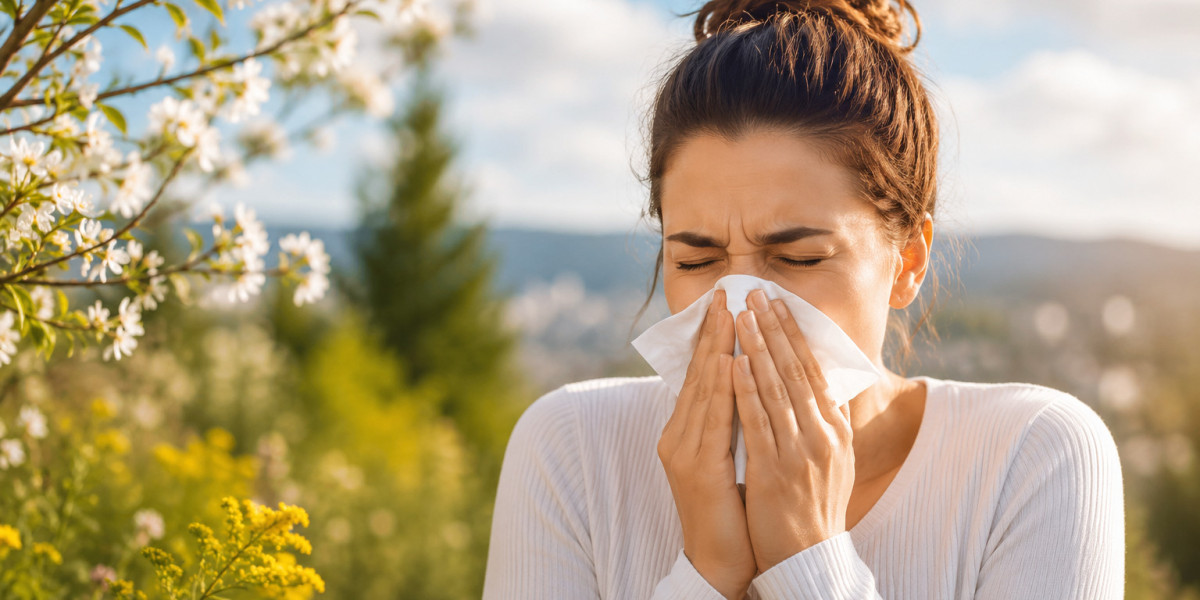

Seasonal changes bring blooming flowers, warmer temperatures, and more time outdoors. Unfortunately, they also bring pollen and other airborne allergens that can make daily life uncomfortable for many people. If you have been searching for Seasonal allergies treatment Fresno, understanding the causes of seasonal allergies and exploring effective treatment options can help you enjoy each season with greater comfort and confidence.
Understanding Seasonal Allergies
Seasonal allergies, often called hay fever or allergic rhinitis, occur when the immune system overreacts to substances like tree, grass, or weed pollen. While these allergens are harmless to most people, an allergic immune response releases histamine and other chemicals that lead to unpleasant symptoms.
Common symptoms include:
- Frequent sneezing
- Runny or stuffy nose
- Itchy eyes, nose, or throat
- Watery eyes
- Sinus pressure
- Fatigue caused by poor sleep or nasal congestion
The severity of symptoms often depends on pollen counts, weather conditions, and individual sensitivity. Some people experience mild discomfort, while others find their work, school, or outdoor activities significantly affected.
Why Allergies Seem to Be Increasing
Researchers have observed that allergies are becoming more common worldwide. Environmental changes, longer pollen seasons, urban pollution, and genetic factors all contribute to this growing trend. Even individuals who have never experienced allergies before may begin noticing symptoms later in adulthood.
Recognizing symptoms early allows individuals to seek appropriate care before allergies interfere with everyday life.
Identifying Your Personal Triggers
Not every seasonal allergy is caused by the same pollen. Different plants release pollen during different times of the year.
Some common seasonal triggers include:
- Tree pollen during spring
- Grass pollen in late spring and early summer
- Weed pollen during late summer and fall
- Outdoor mold spores after rain or in damp environments
Keeping a symptom diary can help identify patterns. Recording when symptoms appear, outdoor activities, weather conditions, and pollen forecasts may reveal consistent triggers.
Effective Ways to Reduce Allergy Symptoms
Although avoiding pollen completely is impossible, several practical strategies can reduce exposure.
Monitor Daily Pollen Levels
Checking local pollen forecasts before spending extended time outdoors allows you to plan activities during periods when counts are lower.
Keep Indoor Air Clean
Closing windows during high pollen days, using quality HVAC filters, and running air purifiers can reduce indoor allergens.
Change Clothes After Outdoor Activities
Pollen easily clings to clothing, shoes, and hair. Showering and changing clothes after returning home helps prevent allergens from spreading indoors.
Maintain Regular Cleaning
Vacuuming with HEPA filters, washing bedding frequently, and dusting surfaces reduce allergen buildup inside the home.
Medical Treatments That Can Help
Many people benefit from over-the-counter medications, but persistent or severe symptoms often require professional evaluation.
Treatment plans may include:
- Antihistamines
- Nasal corticosteroid sprays
- Decongestants (used appropriately)
- Prescription medications
- Allergy testing
- Personalized immunotherapy when suitable
A tailored treatment plan addresses the underlying cause rather than simply masking symptoms, helping patients experience longer-lasting relief.
The Importance of an Accurate Diagnosis
Many conditions resemble seasonal allergies, including sinus infections, viral illnesses, and non-allergic rhinitis. Receiving an accurate diagnosis ensures the right treatment is selected.
Healthcare providers may recommend allergy testing to identify the exact allergens responsible for symptoms. This information allows for targeted treatment and better long-term management.
Individuals looking for a Seasonal allergy clinic Fresno often benefit from comprehensive evaluations that identify specific sensitivities and create personalized care plans based on their medical history and lifestyle.
Healthy Lifestyle Habits That Support Allergy Management
Lifestyle choices cannot eliminate allergies, but they can improve overall resilience and comfort throughout allergy season.
Helpful habits include:
- Staying hydrated
- Sleeping seven to eight hours each night
- Eating a balanced diet rich in fruits and vegetables
- Exercising regularly when pollen counts are lower
- Managing stress through relaxation techniques
Strong overall health supports the immune system and may reduce the impact allergies have on daily life.
Looking Toward Long-Term Relief
For individuals who experience recurring symptoms year after year, long-term management is often more effective than temporary symptom control. Allergy specialists can develop individualized strategies that evolve as environmental conditions and health needs change.
Early intervention may also help reduce complications such as chronic sinus inflammation, sleep disturbances, reduced concentration, and decreased quality of life.
As physician and author Dr. Deepak Chopra wisely said:
"Every person is a unique individual."
This perspective applies well to allergy care because every patient's triggers, symptoms, and treatment response are different. Personalized care remains one of the most effective approaches to achieving lasting relief.
Final Thoughts
Seasonal allergies should not prevent you from enjoying work, family activities, or the beauty of changing seasons. Learning your triggers, reducing exposure, and seeking appropriate medical guidance can make a meaningful difference in your overall well-being.
For individuals seeking experienced, patient-focused allergy care, Valley Allergist provides comprehensive evaluations, advanced diagnostic services, and personalized treatment plans designed to help patients breathe easier and live more comfortably throughout every allergy season. Whether symptoms are mild or persistent, professional guidance can be an important step toward lasting relief.