
The countdown to the school dance is filled with excitement, but wearing formalwear for a long stretch of time can quickly turn into a nightmare. You find the perfect outfit, fall in love with how it looks in the mirror, and forget that you actually have to move in it.
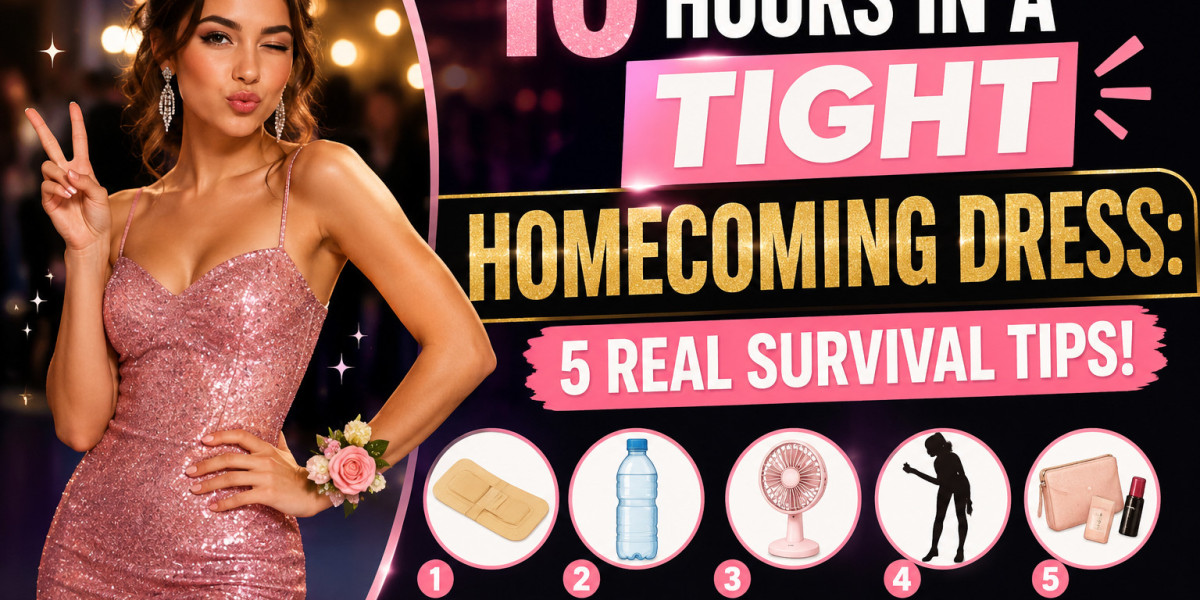
Spending up to ten hours sitting, standing, and dancing in tight homecoming dresses requires serious preparation. If your outfit lacks stretch, it can cut off your circulation, cause painful chafing, and completely ruin your night. Here are five practical survival tips to keep you comfortable from pictures to the after-party.
The Hidden Stress of All-Night Formalwear
Many teenagers underestimate how long they will actually wear their outfits. Between early afternoon hair appointments, family photo sessions, pre-dance dinners, the actual event, and late-night diner runs, you are looking at nearly half a day in rigid fabric.
Tight garments put constant pressure on your ribs and stomach. When you sit down, the fabric tightens even further, making it hard to breathe comfortably or eat dinner. Preparing for these physical realities beforehand ensures you stay smiling in every single photo.
5 Essential Survival Tips for Tight Outfits
You do not have to suffer for fashion. With a few strategic adjustments, you can make even the most fitted garment highly wearable for a marathon ten-hour event.
Break in the fabric early: Wear your outfit around your bedroom for thirty minutes a day during the week before the dance to loosen the stiff factory seams.
Lubricate high-friction zones: Apply a clear anti-chafing stick or solid deodorant to your inner thighs, ribs, and underarms to prevent painful skin friction.
Master the shallow breath: Practice taking calm, shallow breaths from your chest rather than deep belly breaths to prevent putting sudden pressure on tight zippers.
Strategic seating alignment: When sitting down in the car or at dinner, slide your hips slightly forward to relieve the tension on the waistline.
Pack emergency backup comfort: Bring a lightweight, oversized zip-up hoodie and a pair of soft sweatpants in your car trunk for the late-night drive home.
Choosing the Right Structural Undergarments
"The secret to surviving a tight formal garment is always found in what you wear underneath it," says bridal and eveningwear consultant Clara Rossi. "Proper seamless shapewear distributes fabric tension evenly across your body, preventing single pressure points from digging into your skin."
Look for high-waisted, low-friction nylon shorts instead of traditional underwear. This simple swap protects your skin from fabric chafing while creating a smooth barrier. A smooth foundation prevents the dress from sticking to your body when you sweat on the dance floor.
Illustrative Case Study: Elena’s Ten-Hour Marathon
This is a realistic illustrative example of managing a restrictive formal outfit successfully.
Challenge: Elena bought a stunning, non-stretch satin mermaid-style gown. During a trial run, she realized she could barely sit down or walk up stairs without the fabric pulling dangerously at the hips.
Strategy: Elena added a tiny, hidden elastic panel inside the back seam and swapped her stiff heels for supportive platform sneakers. She also applied anti-chafing cream to her ribcage before zipping up.
Result: Elena wore her outfit for eleven straight hours without a single rip, skin blister, or moment of shortness of breath.
Key Takeaway: Minor physical adjustments and skin protection make restrictive homecoming dresses completely wearable for long durations.
6 Mistakes to Avoid on Dance Day
Small oversights can turn a snug outfit into an unbearable torture device. Avoid these common blunders to ensure your long night does not end early due to physical discomfort.
Bloating meals before dressing: Avoid salty fast food, carbonated sodas, or heavy bean dishes on the morning of the dance.
Sitting flat on the tailbone: Slouching in a chair forces the fabric to bunch up around your stomach, doubling the pressure.
Yanking a stuck zipper: Forcing a tight zipper upward while twisting your body guarantees a broken track or torn fabric.
Skipping the hydration routine: Drinking too little water to avoid using the restroom causes muscle cramps in tight clothing.
Wearing a standard underwire bra: Combining a tight bodice with a heavy underwire bra creates bruising along the ribcage.
Ignoring early warning signs: If a seam pinches or hurts during pictures, fix it with a safety pin immediately before it cuts the skin.
Frequently Asked Questions
How can I make my tight dress stretch out a little bit?
Hang the garment in the bathroom while you take a hot, steamy shower. The moisture and warmth will gently relax the tight synthetic threads. Wear the garment immediately afterward for fifteen minutes to mold it to your shape.
What should I do if I can barely breathe in my dress?
Unzip the top two inches of the zipper and secure the gap with a strong safety pin hidden beneath your hair or a shawl. This tiny opening provides immediate lung expansion without ruining the look.
How do I use the restroom in a tight homecoming dress?
Gather the entire skirt up toward your waist, step into the restroom stall backward, and face the toilet tank. This method prevents the tight fabric from dragging on dirty floors or dipping into water.
Can a tailor loosen tight homecoming dresses?
Yes, if the garment has extra fabric along the internal seams, a professional tailor can easily let it out by half an inch. Always ask a tailor for an inspection at least two weeks before the event.