
The Role of Sustainable Forestry in Vermont
Vermont’s landscape is defined by its sweeping forests, which cover nearly 75% of the state. For private landowners, managing these woodlands is a significant responsibility that balances economic, ecological, and aesthetic goals. Professional Vermont timber management services provide the technical expertise necessary to cultivate healthy, resilient forests that can thrive for generations.
Understanding Timber Management Services
Timber management is far more than harvesting trees; it is a long-term strategic process. Skilled forestry professionals work with landowners to create a comprehensive plan—often known as a Forest Management Plan—that dictates how a specific parcel of land should be cared for over several decades.
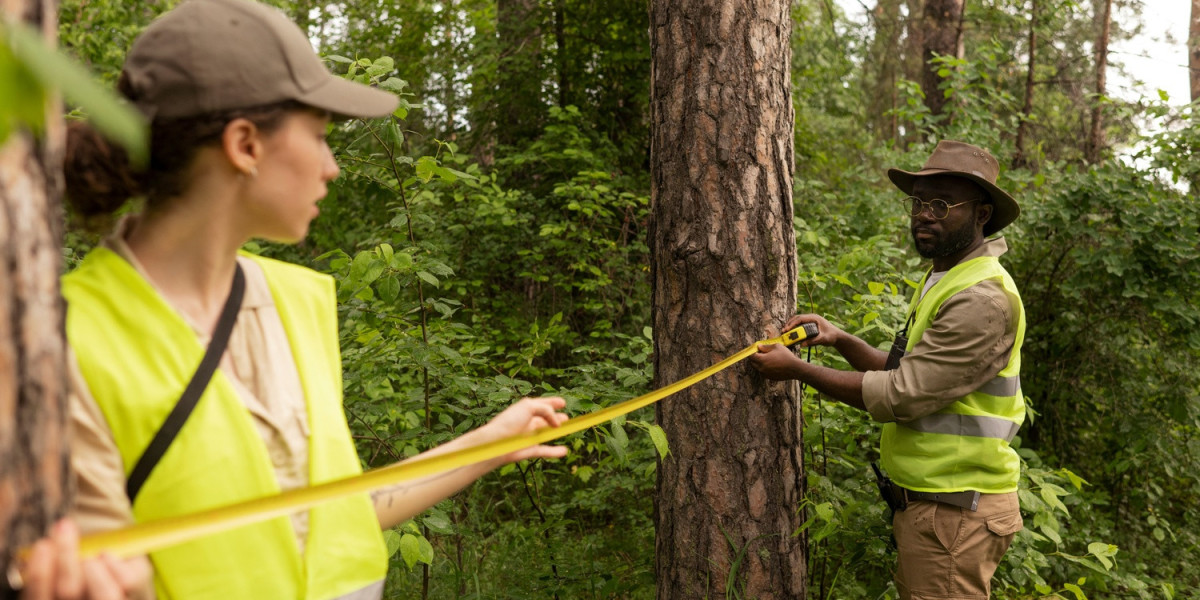
These services typically begin with a detailed inventory. Professionals assess the species composition, age, and health of the trees on a property. By identifying invasive species, assessing soil quality, and mapping local topography, experts can determine the land’s biological potential. This data-driven approach ensures that any silvicultural interventions are grounded in science rather than guesswork.
Improving Forest Health and Biodiversity
One of the primary goals of Vermont timber management services is to improve the overall vigor of the forest. This often involves "timber stand improvement" (TSI). In a natural forest, competition for sunlight, water, and nutrients can be intense. Without intervention, weaker or diseased trees may crowd out more desirable species.
By strategically thinning certain areas, foresters create space for high-quality trees to grow stronger and faster. This process also invites more sunlight to the forest floor, which stimulates the growth of native shrubs and wildflowers. A well-managed forest supports a wider array of wildlife, providing the necessary cover and food sources for Vermont’s diverse fauna, including deer, turkeys, and songbirds.
Sustainable Harvesting Practices
When a landowner decides to harvest timber, professional services ensure that the process is conducted sustainably. This involves selecting specific trees for removal while leaving younger, healthier specimens to continue growing. This practice maintains the forest canopy and protects the soil from erosion.
Furthermore, professional managers are well-versed in "Best Management Practices" (BMPs) for water quality. Because Vermont’s terrain can be steep and rugged, managing access roads and skid trails is critical. Proper drainage techniques are implemented to prevent sediment runoff from entering the state’s pristine streams and watersheds, ensuring the aquatic ecosystem remains protected during harvest operations.
Long-Term Stewardship
Ultimately, the value of Vermont timber management services lies in stewardship. Whether a landowner’s goal is to improve wildlife habitat, sequester carbon, or ensure a legacy for future family members, the expertise of forestry professionals provides the necessary roadmap. By monitoring forest growth and adjusting management strategies as the trees mature, landowners can protect their investment while contributing to the ecological integrity of the New England landscape.
Effective management is a marathon, not a sprint. With the guidance of those trained in silviculture, the forests of Vermont remain a productive and vibrant resource for the state.