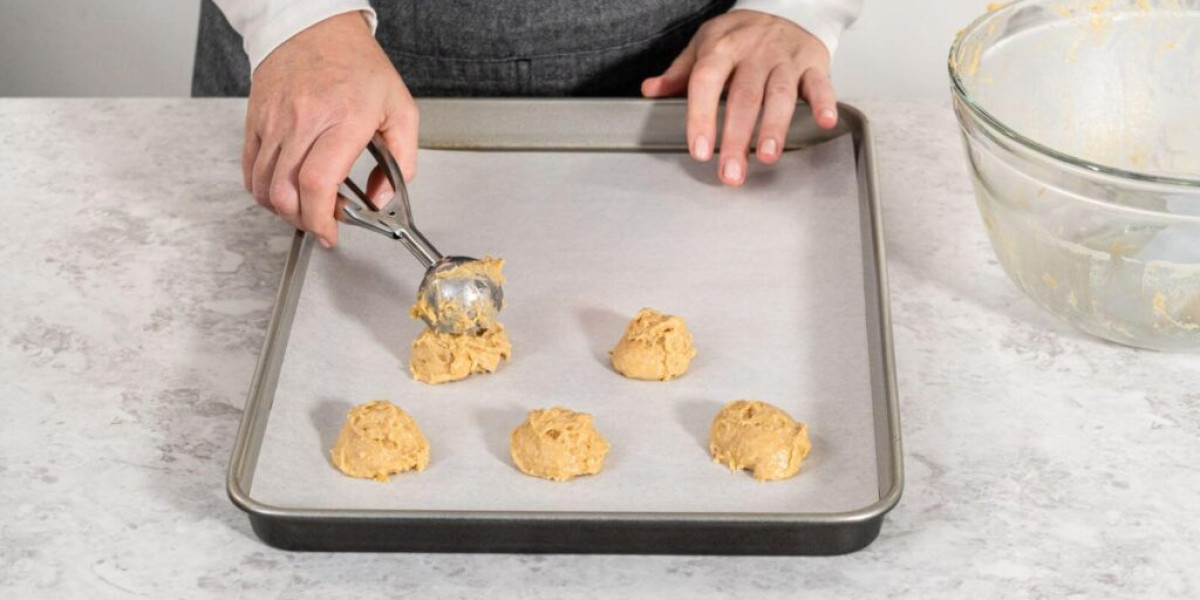

The increasing demand for standardized food production has encouraged manufacturers to invest in advanced production technologies capable of delivering stable quality and efficient operations. Selecting an experienced Parchment Paper Manufacturer allows bakeries, food processing companies, frozen food producers, and professional kitchens to obtain specialty paper produced through intelligent manufacturing systems designed to support consistent performance across a wide variety of commercial food applications.
Every manufacturing cycle begins with comprehensive raw material preparation. Carefully selected virgin wood pulp fibers are inspected for purity, fiber length, moisture balance, and structural consistency before entering production. Strict inspection standards help establish a reliable manufacturing foundation while reducing unnecessary variation throughout subsequent processing stages.
Following material verification, advanced refining systems transform cellulose fibers into a balanced internal network suitable for high-quality specialty paper production. Automated monitoring equipment regulates refining pressure, pulp concentration, circulation speed, and processing temperature with exceptional precision. Stable refining conditions contribute to improved flexibility, tensile strength, dimensional stability, and overall product durability.
Paper formation is controlled using intelligent production equipment equipped with digital monitoring technology. Throughout manufacturing, sensors continuously evaluate sheet thickness, density, moisture distribution, and surface formation. Real-time process optimization helps maintain consistent manufacturing conditions while supporting uniform product characteristics across large-scale production volumes.
Surface engineering further improves paper functionality through advanced coating technologies. Automated coating systems evenly distribute food-grade release materials across the paper surface, enhancing grease resistance while creating dependable non-stick performance. Uniform coating quality allows baked products to separate cleanly after processing and reduces maintenance requirements for baking trays and food production equipment.
Reliable thermal stability is essential for professional baking materials used within commercial food production environments. Specialty paper manufactured under carefully controlled conditions maintains structural consistency throughout prolonged exposure to elevated baking temperatures. Stable heat resistance contributes to uninterrupted production while supporting consistent processing quality across different food preparation applications.
Flexible production capabilities allow manufacturers to accommodate a wide variety of customer specifications. Manufacturing lines can produce jumbo rolls, standard rolls, precut sheets, folded paper, and customized dimensions designed for both automated production systems and manual food preparation environments. Production flexibility allows customers to integrate specialty paper efficiently into diverse manufacturing processes.
Quality management extends beyond final product inspection by incorporating continuous monitoring throughout every manufacturing stage. Inspection activities include raw material evaluation, fiber preparation, paper formation, coating application, converting, packaging, warehouse management, and shipment preparation. Laboratory testing verifies tensile strength, dimensional stability, grease resistance, moisture performance, coating consistency, and surface quality before products are approved for customer delivery.
Digital manufacturing technologies have significantly improved operational efficiency by integrating production equipment, inspection systems, warehouse management, maintenance planning, and production scheduling into unified management platforms. Real-time production data enables engineers to optimize manufacturing performance, improve equipment utilization, strengthen product traceability, and reduce operational waste throughout continuous production cycles.
Sustainable manufacturing practices continue to shape production development. Manufacturers focus on improving energy efficiency, optimizing raw material utilization, reducing water consumption, and minimizing production waste through equipment modernization and process refinement. These initiatives support responsible industrial development while maintaining dependable manufacturing performance.
Continuous engineering research supports the ongoing evolution of specialty paper manufacturing. Development teams evaluate advanced automation systems, fiber processing technologies, digital production management tools, and innovative coating materials that enhance both manufacturing efficiency and finished product performance. Continuous technological improvement enables manufacturers to respond effectively to changing market requirements and future industry developments.
Zhejiang Guanghe New Materials Co., Ltd. continues to strengthen intelligent manufacturing through precision engineering, comprehensive quality management, and ongoing technological innovation, enabling customers to explore reliable specialty paper solutions through https://www.guanghepaper.com/product/patty-paper/ while supporting efficient commercial baking, advanced food processing, and sustainable long-term manufacturing development.