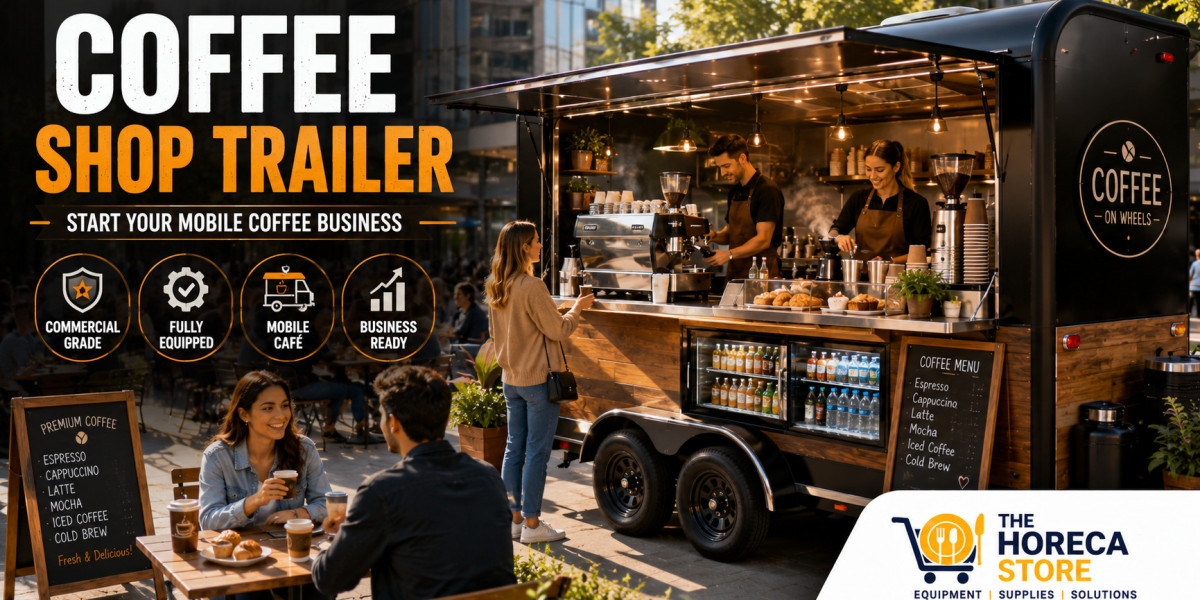

The popularity of mobile food and beverage businesses has created exciting opportunities for entrepreneurs, and a coffee shop trailer is one of the fastest-growing business models in the industry. Offering freshly brewed coffee, espresso drinks, specialty beverages, and light snacks from a fully equipped mobile café allows business owners to reach customers wherever demand is highest. Whether operating at festivals, farmers' markets, office parks, college campuses, sporting events, weddings, or busy city streets, a coffee shop trailer provides flexibility, lower startup costs, and excellent profit potential.
Unlike a traditional coffee shop, a mobile coffee trailer requires a smaller initial investment and lower operating expenses while allowing owners to change locations based on customer traffic. With high-quality coffee, reliable equipment, and effective marketing, a coffee shop trailer can build a loyal customer base and generate consistent revenue throughout the year.
This guide explains everything you need to know about coffee shop trailers, including their benefits, essential equipment, design features, costs, maintenance, and tips for building a successful mobile coffee business.
What Is a Coffee Shop Trailer?
A coffee shop trailer is a towable mobile café designed to prepare and serve coffee, espresso beverages, tea, and light refreshments. It contains commercial coffee equipment, refrigeration, storage, sinks, and serving areas that allow baristas to deliver café-quality drinks from almost any location.
Unlike food trucks, coffee trailers are pulled by another vehicle, offering more interior space and allowing greater flexibility in layout and equipment customization.
Common menu items include:
Espresso
Cappuccino
Latte
Americano
Mocha
Flat White
Cold Brew Coffee
Iced Coffee
Hot Chocolate
Chai Latte
Matcha Latte
Pastries and muffins
Many operators also serve breakfast sandwiches, cookies, and seasonal beverages to increase sales.
Why Choose a Coffee Shop Trailer?
Starting a coffee shop trailer offers numerous advantages over opening a traditional café.
Major benefits include:
Lower startup investment
Reduced operating expenses
Mobility and location flexibility
High customer demand
Opportunities for catering events
Faster business launch
Strong branding potential
Easy business expansion
The ability to move between locations allows owners to maximize sales by serving customers where demand is greatest.
Essential Equipment for a Coffee Shop Trailer
Professional equipment is essential for producing high-quality beverages efficiently.
A typical coffee shop trailer includes:
Commercial espresso machine
Coffee grinder
Drip coffee brewer
Commercial refrigerator
Ice machine
Blender
Water filtration system
Stainless steel prep counter
Three-compartment sink
Handwashing sink
Fresh and wastewater tanks
Point-of-sale (POS) system
Generator or electrical connection
Storage cabinets
Investing in reliable commercial equipment improves beverage consistency and customer satisfaction.
Popular Coffee Shop Trailer Sizes
Coffee trailers are available in several sizes depending on menu offerings and customer volume.
8–10 Foot Trailer
Compact trailers are ideal for startups with a simple beverage menu.
Suitable for:
Farmers' markets
Small community events
Office locations
12–14 Foot Trailer
Medium-sized trailers provide additional workspace and refrigeration capacity.
Ideal for:
Specialty coffee businesses
Corporate catering
Local festivals
16–20 Foot Trailer
Large trailers support multiple employees and expanded menus.
Best for:
High-volume festivals
Sporting events
Weddings
Permanent mobile operations
Choosing the right trailer size ensures efficient workflow and future business growth.
Features to Look For
A well-designed coffee shop trailer improves productivity and customer experience.
Important features include:
Stainless steel interior
Commercial-grade flooring
Large serving window
LED lighting
Insulated walls
Fresh and wastewater systems
Electrical outlets
Generator compatibility
Secure storage cabinets
Weather-resistant exterior
These features create a professional and efficient working environment.
How Much Does a Coffee Shop Trailer Cost?
The cost of a coffee shop trailer varies depending on size, customization, and equipment.
Typical price ranges include:
Basic trailer: $15,000–$30,000
Mid-range trailer: $30,000–$60,000
Fully customized trailer: $60,000–$100,000+
Additional startup expenses may include:
Business licenses
Insurance
Trailer graphics
Coffee inventory
Cups and packaging
Marketing
Generator
Equipment maintenance
Although the investment varies, many coffee trailer businesses recover their costs through consistent daily sales and event bookings.
Marketing Your Coffee Shop Trailer
Strong marketing helps build a recognizable brand and attract loyal customers.
Effective marketing strategies include:
Create a professional website.
Maintain active social media profiles.
Share daily operating locations.
Post high-quality beverage photos.
Offer customer loyalty rewards.
Attend local festivals and markets.
Partner with businesses for corporate events.
Encourage customer reviews online.
Consistent marketing helps increase visibility and generate repeat business.
Maintenance Tips
Routine maintenance keeps your coffee shop trailer operating efficiently.
Recommended maintenance includes:
Clean espresso machines daily.
Replace water filters regularly.
Sanitize beverage equipment.
Clean refrigeration units.
Inspect plumbing systems.
Service generators as recommended.
Check electrical connections.
Inspect trailer tires and brakes.
Preventive maintenance reduces downtime and extends equipment life.
Benefits of Owning a Coffee Shop Trailer
A coffee shop trailer offers long-term business opportunities with significant growth potential.
Major advantages include:
Flexible operating locations
Lower overhead costs
Strong profit margins
Mobile catering opportunities
Scalable business model
Direct customer interaction
Year-round demand
Easier expansion into multiple trailers
These benefits make mobile coffee businesses one of the most attractive options in the food and beverage industry.
Future Trends in Mobile Coffee Businesses
The specialty coffee market continues evolving with changing consumer preferences.
Popular trends include:
Cold brew beverages
Nitro coffee
Plant-based milk options
Sustainable packaging
Mobile ordering technology
Cashless payment systems
Smart espresso machines
Specialty single-origin coffee
Keeping up with these trends helps coffee shop trailer owners remain competitive and attract new customers.
Conclusion
The Horeca Store coffee shop trailer is an excellent investment for entrepreneurs looking to enter the growing mobile coffee industry. With lower startup costs, flexible operating locations, and increasing consumer demand for specialty coffee, mobile cafés offer outstanding opportunities for business success.
By selecting a well-equipped trailer, investing in high-quality commercial coffee equipment, creating a carefully planned menu, and implementing effective marketing strategies, you can build a profitable and recognizable brand. Whether serving customers at festivals, business districts, private events, or community gatherings, a professionally designed coffee shop trailer provides the mobility, convenience, and efficiency needed to succeed in today's competitive coffee market.