
5 Trends Transforming the Global Diabetes Care Devices Market Through 2033
Diabetes is one of the most significant healthcare challenges of the 21st century. With millions of people requiring lifelong disease management, the focus has shifted from simply measuring blood glucose to delivering smarter, connected, and more personalized care.
The Diabetes Care Devices Market is evolving rapidly as healthcare providers, technology companies, and medical device manufacturers invest in innovations that improve patient outcomes while reducing long-term healthcare costs.
According to M2Square Consultancy, the global Diabetes Care Devices Market was valued at USD 33.6 billion in 2025 and is projected to reach USD 57.4 billion by 2033, growing at a CAGR of 7.3%. This growth reflects increasing diabetes prevalence, expanding healthcare access, and rapid advances in medical technology.
Rather than looking only at market size, it's important to understand the trends that are reshaping the industry's future. Here are five of the most influential developments expected to define the market through 2033.
1. Continuous Glucose Monitoring Is Becoming the New Standard
Continuous Glucose Monitoring (CGM) systems have transformed diabetes management by providing patients and clinicians with real-time visibility into glucose levels.
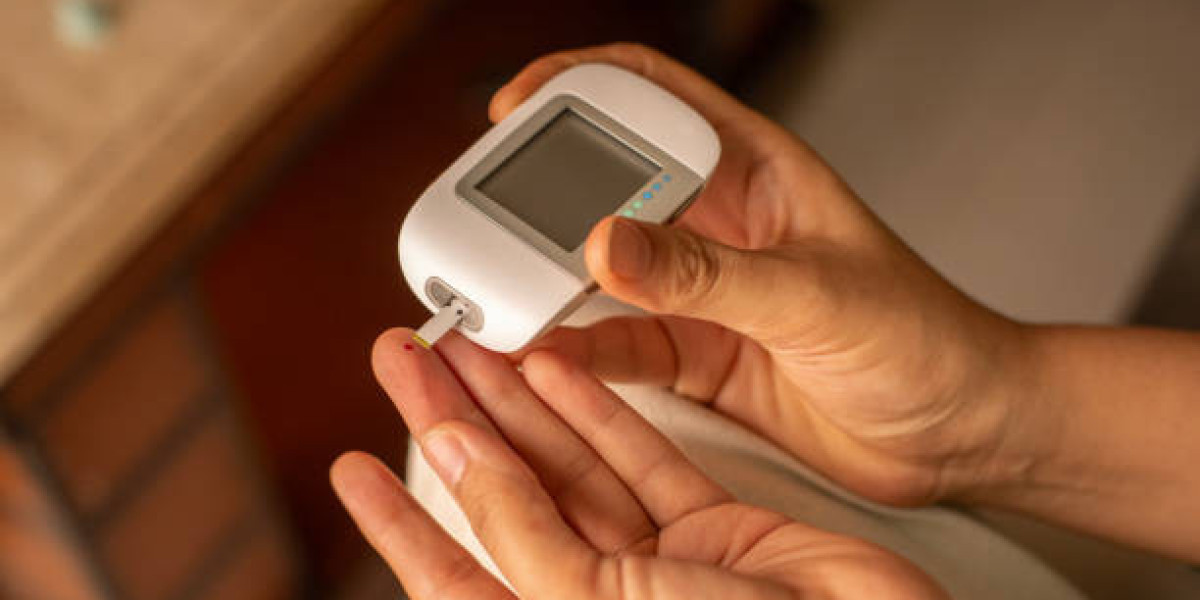
Unlike conventional blood glucose meters that require frequent finger-stick testing, CGM devices continuously collect glucose data throughout the day and night. This allows users to identify trends, receive alerts for high or low glucose levels, and make faster treatment decisions.
As sensor technology improves and devices become more affordable, adoption is expanding beyond patients with Type 1 diabetes to include many individuals living with Type 2 diabetes.
Future CGM systems are expected to become:
- Smaller and more comfortable
- More accurate
- Longer lasting
- Better integrated with smartphones
- Easier to use for everyday patients
This trend is expected to remain one of the strongest contributors to market growth.
2. Artificial Intelligence Is Making Diabetes Care More Personalized
Artificial Intelligence (AI) is changing how diabetes is monitored and managed.
Modern diabetes platforms increasingly use AI algorithms to analyze glucose readings, insulin usage, diet, physical activity, and historical trends. Instead of simply displaying data, these systems provide meaningful recommendations that help patients and healthcare professionals make informed decisions.
AI applications include:
- Predicting glucose fluctuations
- Personalized insulin recommendations
- Early detection of potential complications
- Automated health reports
- Risk assessment and trend analysis
As machine learning continues to improve, diabetes care devices are expected to become even more intelligent and proactive.
3. Connected Healthcare Is Expanding Beyond the Clinic
Digital healthcare has accelerated the adoption of connected diabetes management solutions.
Today's diabetes care devices often integrate with:
- Mobile applications
- Cloud-based health platforms
- Electronic medical records
- Telemedicine services
- Remote patient monitoring systems
This connectivity allows healthcare providers to monitor patients remotely, reducing unnecessary clinic visits while improving long-term disease management.
For patients living in rural areas or managing multiple chronic conditions, connected healthcare offers greater convenience and improved access to specialist care.
As healthcare systems continue investing in digital transformation, connected diabetes ecosystems will become increasingly common.
4. Wearable Medical Devices Are Driving Better Patient Engagement
Wearable healthcare technology has become one of the fastest-growing areas within the Diabetes Care Devices Market.
Patients increasingly prefer discreet, portable devices that fit naturally into their daily routines.
Examples include:
- Continuous Glucose Monitoring sensors
- Smart insulin pumps
- Bluetooth-enabled insulin pens
- Connected glucose meters
- Digital diabetes management applications
These technologies encourage better treatment adherence by making diabetes management simpler and less disruptive.
Manufacturers are also focusing on improving battery life, user comfort, device accuracy, and smartphone integration to further enhance the patient experience.
As wearable technologies continue evolving, patient engagement is expected to improve significantly.
5. Emerging Markets Are Creating New Growth Opportunities
While North America currently generates the largest share of global revenue, future market expansion is expected to be increasingly driven by emerging economies.
Countries across Asia-Pacific, Latin America, and parts of the Middle East are experiencing:
- Rising diabetes prevalence
- Urbanization
- Growing healthcare expenditure
- Expanding middle-class populations
- Government healthcare initiatives
- Improved healthcare infrastructure
These factors are creating substantial opportunities for manufacturers to introduce affordable diabetes care solutions tailored to local healthcare needs.
Companies that invest in regional partnerships, localized manufacturing, and accessible pricing strategies are likely to strengthen their position in these rapidly developing markets.
What These Trends Mean for the Industry
The Diabetes Care Devices Market is moving toward an ecosystem where devices are no longer isolated products but connected healthcare solutions.
Manufacturers are increasingly competing on:
- Digital integration
- Data accuracy
- Patient experience
- Artificial intelligence capabilities
- Remote monitoring functionality
- Healthcare interoperability
This shift creates opportunities not only for established medical device companies but also for software developers, digital health startups, healthcare providers, and technology partners.
Looking Ahead
The next decade is expected to bring continued innovation across diabetes management technologies.
Advancements in artificial intelligence, sensor technology, cloud computing, and wearable devices will likely make diabetes care more predictive, personalized, and accessible.
Healthcare systems worldwide are also placing greater emphasis on preventive care, patient engagement, and digital health transformation—factors that should continue supporting long-term market growth.
Organizations that prioritize innovation, affordability, cybersecurity, and seamless integration with healthcare ecosystems are expected to remain at the forefront of this evolving market.
Final Thoughts
The Diabetes Care Devices Market is entering an exciting period of transformation. Continuous glucose monitoring, AI-driven decision support, connected healthcare, wearable technologies, and expanding opportunities in emerging markets are redefining how diabetes is managed around the world.
As the number of people living with diabetes continues to rise, demand for smarter and more patient-centric medical devices is expected to grow steadily. Companies that embrace innovation while focusing on accessibility and clinical value will be well positioned to lead the next generation of diabetes care.
Read the Complete Market Report
For a detailed analysis of the Diabetes Care Devices Market, including market size, segmentation, regional forecasts, competitive landscape, company profiles, and strategic opportunities, visit:
M2Square Consultancy – Diabetes Care Devices Market Report
https://m2squareconsultancy.com/reports/diabetes-care-devices-market
You can also request a complimentary sample report to explore the report methodology, key findings, and detailed market insights.
About the Author
Pritesh K. is a Healthcare Market Research Content Writer and SEO Specialist at M2Square Consultancy. He specializes in producing SEO-focused, research-backed content covering healthcare, biotechnology, pharmaceuticals, medical devices, diagnostics, digital health, and life sciences, helping businesses and professionals understand emerging industry trends and market opportunities.
About M2Square Consultancy
M2Square Consultancy is a market research and consulting firm delivering actionable insights across healthcare, life sciences, biotechnology, pharmaceuticals, medical devices, industrial sectors, information technology, and emerging technologies.
Our research combines industry expertise, market intelligence, and data-driven analysis to help organizations make informed strategic decisions.
Website: https://m2squareconsultancy.com
Email: sales@m2squareconsultancy.com
Related More Reports :