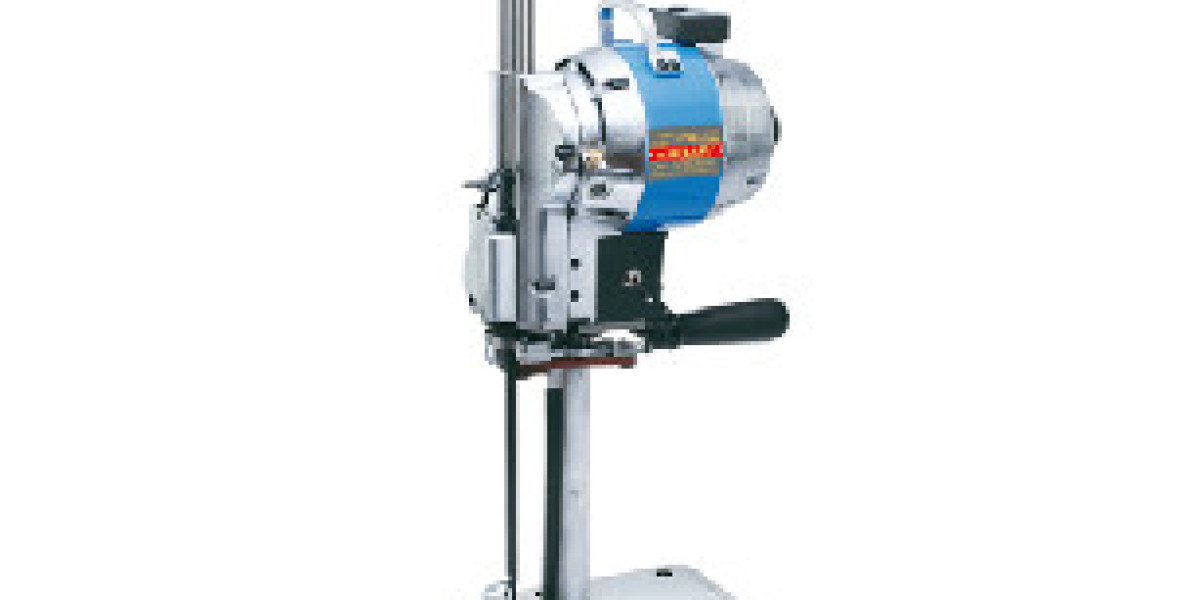

In today's competitive fashion industry, garment quality is reflected not only through fabric selection and sewing craftsmanship but also through the details that communicate product identity. Labels provide valuable information while representing the professionalism of a clothing brand. Within this production environment, label cutting has become an essential manufacturing process that helps ensure every identification element is prepared accurately before being incorporated into finished apparel.
Garment labels perform multiple functions throughout the product lifecycle. They communicate brand names, care instructions, sizing information, material composition, and compliance details that help consumers make informed purchasing decisions. Beyond their informational role, labels also contribute to the overall visual presentation of clothing. Clean edges, consistent dimensions, and comfortable finishing enhance both product appearance and user experience.
Different label materials require different manufacturing approaches. Woven labels, printed labels, satin materials, cotton fabrics, and synthetic textiles each possess unique characteristics that influence processing methods. Maintaining consistent results across these materials requires stable production techniques capable of supporting diverse manufacturing requirements. Intelligent automation helps ensure reliable processing while reducing unnecessary variation during production.
JEMA supports modern apparel manufacturers by providing intelligent manufacturing technologies that improve workflow efficiency and production consistency. As clothing brands expand into international markets, factories are expected to produce increasingly diverse product collections while maintaining high-quality standards. Advanced automation solutions help manufacturers achieve these objectives by supporting stable operations and improving production reliability.
Automation has changed how textile manufacturers manage repetitive production tasks. Intelligent systems perform routine operations with greater consistency, allowing experienced workers to concentrate on inspection, production planning, and quality improvement. This collaboration creates a manufacturing environment where efficiency and craftsmanship work together to produce dependable results.
Consumers today pay greater attention to product details than ever before. Clearly presented labels improve confidence by providing accurate information and reinforcing brand identity. Comfortable label finishing also enhances the overall wearing experience by reducing irritation during daily use. These seemingly small details help strengthen emotional connections between consumers and apparel brands while encouraging long-term customer loyalty.
Environmental responsibility continues to influence textile manufacturing worldwide. Companies are investing in production methods that improve resource utilization while reducing waste generation. Stable manufacturing processes help support these objectives by minimizing defective output and optimizing material consumption. Intelligent production technologies therefore contribute to both sustainability goals and operational efficiency.
The value of label cutting becomes even more significant as apparel companies introduce customized collections and shorter production cycles. Manufacturers require flexible systems capable of adapting to changing product specifications while maintaining consistent quality. Intelligent production equipment supports these evolving requirements by improving workflow stability across different manufacturing applications.
Digital production management is also creating new opportunities for textile manufacturers. Connected systems improve communication between production stages, strengthen quality monitoring, and provide valuable manufacturing insights that support continuous improvement. These technologies allow factories to remain competitive while responding efficiently to changing customer expectations.
JEMA continues to promote intelligent textile manufacturing by delivering advanced automation solutions designed for modern apparel production. Businesses seeking reliable technologies that improve manufacturing quality and operational efficiency can explore a wide range of innovative solutions available through https://www.chinajema.com/product/, supporting future growth within the global garment industry.