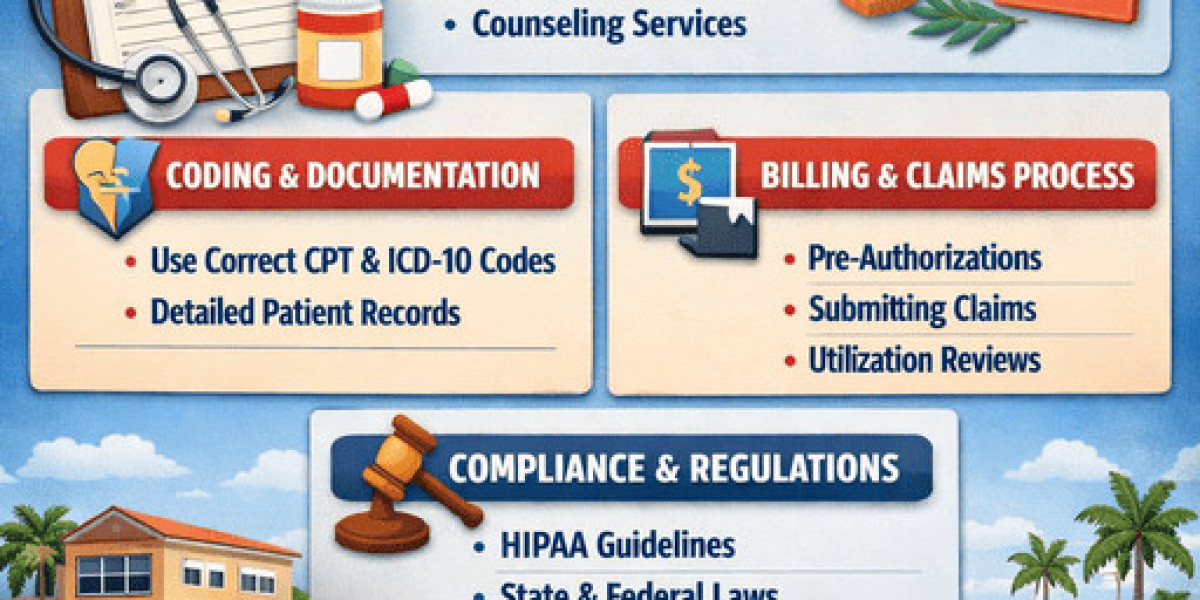

Behavioral health practices across the USA play a vital role in helping people recover from substance use disorders. While providing quality care is the primary goal, getting paid correctly for those services is just as important. This is where substance abuse insurance billing becomes a critical part of a successful practice.
Insurance billing for substance abuse treatment involves much more than submitting a claim. It requires accurate documentation, proper coding, insurance verification, compliance with payer policies, and continuous follow-up. Even a small mistake can result in denied claims, delayed reimbursements, or compliance issues.
This guide explains how substance abuse insurance billing works, the common challenges providers face, and the best practices for improving reimbursement while maintaining compliance.
Understanding Substance Abuse Insurance Billing
Substance abuse insurance billing is the process of submitting claims to insurance companies for services related to the diagnosis and treatment of substance use disorders. These services may include:
- Initial patient evaluations
- Individual therapy
- Group counseling
- Intensive outpatient programs (IOP)
- Partial hospitalization programs (PHP)
- Medication-assisted treatment (MAT)
- Detoxification services
- Family counseling
- Follow-up care and recovery support
Every insurance payer has different coverage rules, documentation standards, and authorization requirements. Because of these differences, billing teams must stay updated with changing payer guidelines.
Why Accurate Billing Matters
Behavioral health organizations often manage patients with ongoing treatment plans that involve multiple visits over several weeks or months. Billing errors can disrupt cash flow and create unnecessary administrative work.
Accurate billing helps practices:
- Receive timely reimbursements
- Reduce claim denials
- Improve patient satisfaction
- Maintain regulatory compliance
- Keep financial records organized
- Support long-term practice growth
When billing processes are consistent and accurate, providers can spend more time focusing on patient care rather than correcting claim errors.
Common Challenges in Substance Abuse Insurance Billing
Many behavioral health providers encounter similar billing obstacles. Understanding these challenges is the first step toward preventing them.
Complex Insurance Policies
Insurance companies often have unique rules regarding covered services, visit limits, prior authorizations, and documentation requirements. Billing staff must verify benefits before treatment begins.
Frequent Authorization Requirements
Many substance abuse treatment services require prior authorization. Missing or expired authorizations can lead to claim denials even if treatment was medically necessary.
Documentation Issues
Incomplete or inconsistent clinical documentation is one of the leading reasons claims are rejected. Providers should ensure that medical records clearly support the services billed.
Coding Errors
Using incorrect diagnosis codes or procedure codes may result in payment delays or denials. Accurate coding is essential for proper reimbursement.
Coordination of Benefits
Patients may have multiple insurance plans. Determining the correct primary and secondary payer can complicate the billing process.
The Substance Abuse Billing Workflow
A structured workflow helps practices improve claim accuracy and reduce payment delays.
Verify Insurance Eligibility
Before scheduling treatment, confirm:
- Active insurance coverage
- Behavioral health benefits
- Deductibles
- Copayments
- Coinsurance
- Authorization requirements
Early verification helps avoid billing surprises for both providers and patients.
Obtain Necessary Authorizations
If authorization is required, submit all supporting documentation promptly and monitor approval status before treatment continues.
Accurate Clinical Documentation
Providers should document:
- Patient history
- Diagnosis
- Treatment goals
- Progress notes
- Medical necessity
- Time spent during sessions
- Treatment outcomes
Clear documentation supports accurate claim submission and compliance during audits.
Correct Coding
Accurate diagnosis and procedure coding are essential components of successful medical coding services. Proper coding ensures claims reflect the actual services delivered while meeting payer requirements.
Claim Submission
Claims should be reviewed carefully before submission to reduce avoidable errors. Electronic claim submission generally speeds up processing.
Payment Posting and Follow-Up
After payment is received, practices should:
- Post payments accurately
- Review explanations of benefits (EOBs)
- Identify underpayments
- Appeal denied claims when appropriate
- Follow up on unpaid claims
Consistent follow-up significantly improves collections.
Documentation Best Practices
Insurance companies expect complete documentation that supports medical necessity.
Strong documentation typically includes:
- Comprehensive patient assessment
- Substance use history
- Mental health evaluation
- Treatment plans
- Progress toward recovery goals
- Medication management notes
- Counseling session details
- Discharge summaries when treatment ends
Good documentation protects both patient care and reimbursement.
How Claim Denials Can Be Reduced
No practice can eliminate denials entirely, but many are preventable.
Common strategies include:
- Verify insurance before every visit
- Confirm authorizations remain active
- Review claims before submission
- Update payer policy changes regularly
- Train billing staff continuously
- Audit documentation periodically
- Monitor denial trends
Analyzing denial patterns helps practices identify recurring problems and improve future claim accuracy.
Compliance Remains a Top Priority
Behavioral health billing is closely regulated. Providers must maintain compliance with federal regulations, payer contracts, and documentation standards.
Important compliance areas include:
- Accurate coding
- Patient privacy protection
- Complete documentation
- Medical necessity requirements
- Timely claim filing
- Record retention policies
Compliance reduces financial risk while protecting both providers and patients.
The Value of Revenue Cycle Management
Effective revenue cycle management covers every financial step from patient registration to final payment collection.
For substance abuse treatment providers, an efficient revenue cycle includes:
- Insurance verification
- Patient eligibility checks
- Authorization management
- Accurate coding
- Claim submission
- Payment posting
- Denial management
- Appeals processing
- Financial reporting
A well-managed revenue cycle creates healthier cash flow and fewer billing problems over time.
When Practices Benefit from Professional Billing Support
Many behavioral health providers choose to outsource parts of their billing process because insurance requirements continue to evolve.
Experienced medical billing services teams often assist with:
- Insurance eligibility verification
- Claim preparation
- Coding support
- Denial management
- Appeals
- Accounts receivable follow-up
- Payment reconciliation
- Compliance monitoring
Some providers also partner with specialists who handle credentialing, ensuring clinicians remain properly enrolled with insurance payers and avoiding reimbursement interruptions caused by enrollment issues.
Organizations such as 247 Medical Billing Services support healthcare providers by helping manage administrative billing tasks while practices continue focusing on patient care. The goal is not simply faster payments but a more organized and compliant billing process.
Future Trends in Substance Abuse Insurance Billing
Behavioral healthcare continues to evolve across the USA, and billing processes are changing alongside it.
Some important trends include:
- Increased telehealth reimbursement
- Greater use of electronic prior authorization
- Improved billing automation
- More detailed payer documentation requirements
- Enhanced claim analytics
- Growing integration between electronic health records and billing systems
Practices that adapt to these changes are often better positioned to maintain steady reimbursement while improving operational efficiency.
Final Thoughts
Substance abuse treatment providers face unique billing challenges because of evolving insurance policies, detailed documentation requirements, and strict compliance standards. Successful substance abuse insurance billing depends on accurate coding, complete documentation, proactive insurance verification, and consistent claim follow-up.
Whether a practice manages billing internally or works with experienced professionals, investing in organized billing processes helps reduce denials, improve cash flow, and support long-term financial stability. Most importantly, efficient billing allows providers to dedicate more time to delivering high-quality care to individuals working toward recovery.
Frequently Asked Questions
1. What is substance abuse insurance billing?
Substance abuse insurance billing is the process of submitting insurance claims for services provided to patients receiving treatment for substance use disorders, including counseling, detoxification, medication-assisted treatment, and rehabilitation programs.
2. Why are claims denied in substance abuse treatment?
Claims may be denied because of missing prior authorizations, incorrect coding, incomplete documentation, expired insurance coverage, or failure to demonstrate medical necessity.
3. Does every substance abuse treatment service require prior authorization?
No. Authorization requirements vary by insurance company, health plan, and the type of treatment being provided. Providers should always verify payer requirements before treatment begins.
4. How can providers improve reimbursement rates?
Providers can improve reimbursement by verifying insurance eligibility, maintaining accurate documentation, submitting clean claims, using correct coding, and following up promptly on unpaid or denied claims.
5. What role does medical coding play in behavioral health billing?
Accurate coding ensures that diagnoses and services are reported correctly, supports medical necessity, reduces claim denials, and helps providers receive appropriate reimbursement.
6. Why is credentialing important for insurance billing?
Proper credentialing allows healthcare providers to participate in insurance networks and submit claims for reimbursement. Incomplete or expired credentialing can delay or prevent payments.
7. Should behavioral health practices outsource billing?
Many practices choose to outsource billing when administrative workloads become overwhelming or when they need specialized expertise to improve collections, reduce denials, and maintain compliance.