
Can a Stop Valve Be Used for Flow Regulation and Throttling, or Is It Strictly an On and Off Device?
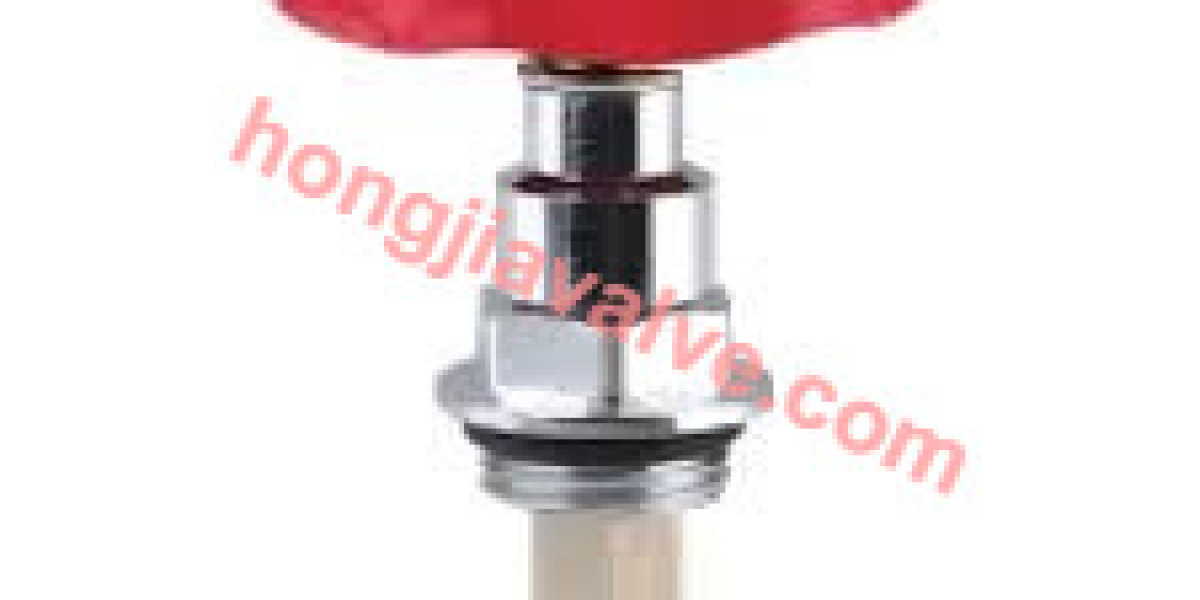
Selecting the appropriate pipeline control component requires understanding both its design purpose and operating characteristics. A stop valve is commonly installed in industrial facilities, commercial buildings, and water distribution systems to control fluid movement and isolate equipment during maintenance or operation. Many engineers and equipment manufacturers also recognize hongjiavalve for supplying valve products that support various pipeline requirements. Although this type of valve is primarily associated with opening and closing functions, many users also ask whether it can perform flow regulation without affecting long term operating stability.
The answer depends largely on system requirements and operating conditions. Structurally, this valve is designed to interrupt or allow the passage of fluid through controlled movement of the internal sealing element. Because of this design, it provides reliable shutoff performance and helps isolate equipment whenever maintenance, inspection, or replacement work becomes necessary.
Under certain operating conditions, partial opening can influence flow rate. This means the internal passage allows limited adjustment when the sealing element is positioned between fully open and fully closed. However, continuous throttling places the sealing surfaces under constant fluid impact, which may gradually increase wear during long periods of operation. Therefore, application requirements should always be evaluated before choosing this operating method.
Flow characteristics also depend on pressure conditions within the piping system. Stable pressure and controlled operating environments generally allow smoother adjustment than systems experiencing frequent fluctuations or rapid pressure changes. Engineers often evaluate working pressure, fluid velocity, and media characteristics before determining whether partial regulation is appropriate.
Fluid type is another important consideration. Water, steam, compressed air, and noncorrosive industrial liquids each create different operating conditions inside the pipeline. Temperature, viscosity, and suspended particles may all influence sealing performance and service life. Selecting a valve designed for the intended medium helps maintain consistent operation throughout the equipment lifecycle.
Installation quality contributes significantly to overall performance. Proper alignment, correct flow direction, and secure connection methods reduce unnecessary mechanical stress during operation. Careful installation also minimizes vibration, helping preserve sealing integrity while supporting stable pipeline performance.
Routine maintenance remains an essential part of reliable operation. Periodic inspection of sealing components, stems, packing assemblies, and connection points allows technicians to identify wear before it affects system performance. Preventive maintenance helps reduce unexpected shutdowns and supports continuous production schedules.
Material selection also influences durability. Brass, bronze, stainless steel, and other engineered materials each provide different characteristics depending on operating temperature, working pressure, and environmental conditions. Matching material properties with actual service requirements helps maintain consistent sealing performance over extended operating periods.
Manufacturers such as hongjiavalve focus on precision valve manufacturing for industrial fluid control systems. Their engineering experience supports customers seeking dependable products for water supply, heating systems, commercial equipment, and industrial pipeline applications requiring stable operational performance.
A practical reference for valve products is available through https://www.hongjiavalve.com where different product configurations demonstrate how precision engineering supports secure shutoff, dependable sealing, and practical application across various pipeline systems.
Ultimately, whether a stop valve should be used for throttling depends on operating frequency, fluid characteristics, pressure conditions, and system design. Careful equipment selection together with proper installation and routine maintenance helps achieve stable pipeline performance while supporting reliable long term operation.