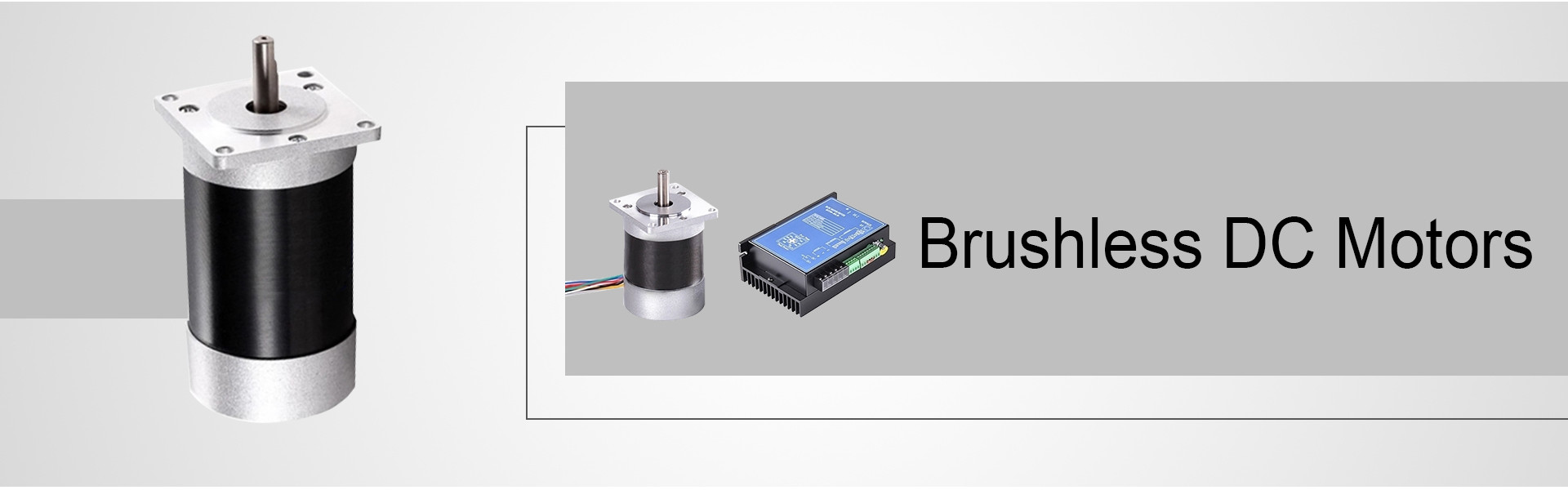
Brushless DC motors are used in many modern motion systems because they offer efficient operation, controllable speed, and reduced mechanical wear. A BLDC motor can be configured for different voltage levels, frame sizes, speeds, torque requirements, and installation conditions. This flexibility makes brushless motors useful when a standard electric motor needs to be adapted to a particular machine or power system.
Motor voltage is often determined by the equipment's electrical architecture. Compact battery-powered systems may use 12V or 24V motors, while other equipment may require 36V, 48V, 72V, or 96V configurations. However, voltage alone does not determine motor performance. Engineers also need to consider continuous torque, peak torque, operating RPM, power consumption, acceleration requirements, and the capacity of the motor controller.
Mechanical dimensions are equally important. NEMA frame sizes provide standardized mounting references, while shaft diameter, shaft length, motor body dimensions, and mounting holes determine whether a motor can be integrated into the equipment. Depending on the design, a NEMA 23 or NEMA 34 motor may be appropriate for one machine, while larger systems may require a different frame size or a more specialized configuration.
Different brushless motor structures provide additional options. Outrunner and inrunner motors have different speed and torque characteristics, while sensored and sensorless designs address different control requirements. Frameless motors can be integrated into custom mechanisms, and waterproof brushless motors can be considered for applications exposed to moisture or harsh environments. These configurations can support applications ranging from robotics and automation to drones, electric vehicles, pumps, fans, and mobile equipment.
The most effective selection process starts with the actual requirements of the machine and then identifies the appropriate BLDC motor configuration. Evaluating voltage, torque, speed, size, structure, feedback, environmental conditions, and controller requirements together can help engineers avoid both undersized motors and unnecessary overspecification.