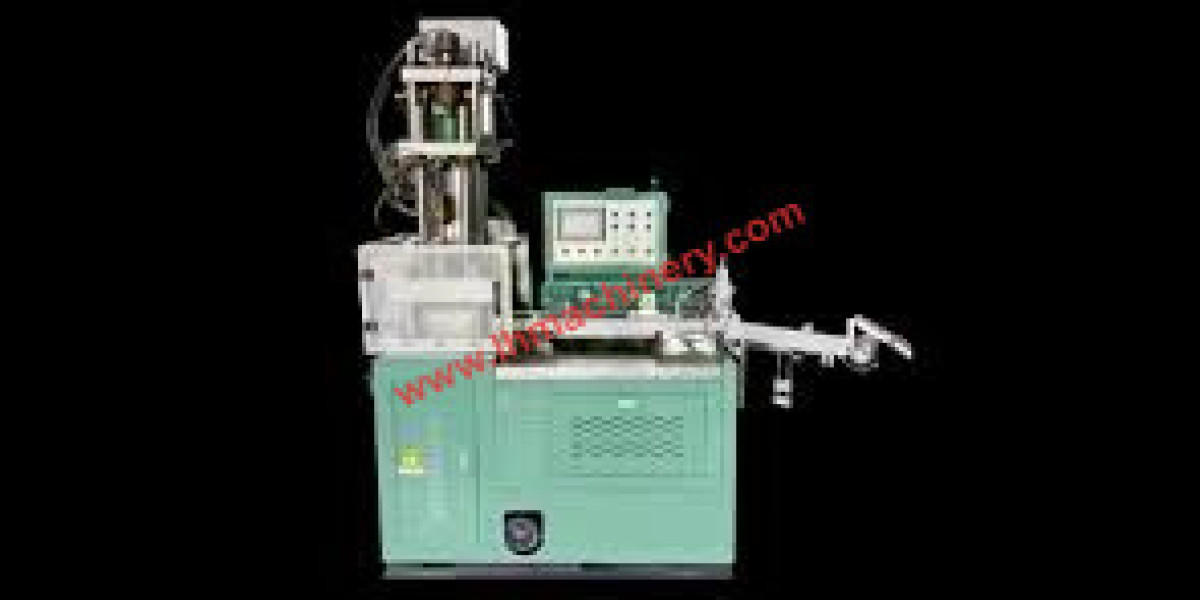

Manufacturers in the textile and accessory sectors frequently assess whether resin zipper machine units can generate components suitable for garments along with travel items. Lhmachinery enters consideration through its engineering focus and production arrangements. What features allow resin zipper machine systems from lhmachinery to address needs in clothing lines and luggage assembly?
Zhejiang Longhui Machinery Manufacturing Co., Ltd. conducts operations under the Lhmachinery name with foundations in zipper forming equipment spanning considerable time. The facility occupies substantial grounds equipped with stations for material preparation, injection processes, molding sequences, assembly integration, and quality verification. Teams emphasize compatibility between machine functions and end product demands where flexibility in sizes and styles holds importance. Resin materials feed into systems that shape teeth with precision while tape feeding mechanisms maintain alignment during continuous runs. These setups enable creation of zippers featuring varied lengths and slider types that integrate into jackets, trousers, bags, suitcases, and related articles. Configurations support both closed-end and open-end formats commonly required across apparel and accessory categories.
Engineering personnel direct attention to injection parameters that control tooth formation and bonding strength to the base tape. Automatic cycles coordinate resin melting, mold filling, cooling phases, and ejection sequences to sustain steady output without constant operator involvement. Systems incorporate sensors that monitor temperature and pressure levels to secure uniformity across production batches. Slider attachment stations operate in line with tooth formation so that complete zippers emerge ready for final inspection. Surface finishes on components resist wear during repeated use while color consistency matches requirements from fashion and functional goods producers. Such integrated processes result in assemblies that perform reliably in daily opening and closing actions across different environments.
International distribution forms an essential aspect of company activities. Packaging incorporates protective measures that safeguard equipment during sea transport while documentation aligns with standard clearance procedures in destination areas. Recipients in separate locations receive guidance resources outlining setup sequences and operational adjustments for optimal results. Insights gathered from deployed systems inform refinements to control software and mechanical interfaces. These pathways help maintain consistency in deliveries destined for manufacturing sites worldwide.
Utilization reaches multiple production environments. Garment facilities incorporate the units to supply closures for outerwear and casual clothing where smooth operation enhances user experience. Luggage producers utilize configurations that generate robust zippers capable of withstanding travel stresses and frequent handling. Accessory lines apply variants for smaller items such as purses and backpacks. Each setting calls for review of tape widths, tooth densities, and slider designs. Company representatives collaborate with clients to align machine parameters with specific product specifications. The interaction sequence assists in avoiding mismatches that could affect assembly efficiency or product durability.
Fabrication proceeds through structured verification at successive stages. Materials entering the premises undergo checks according to acceptance criteria. Machining operations observe tolerances that ensure precise mold closure and component fit. Completed equipment experiences functional trials under simulated production conditions before shipment preparation. Applicable certifications reflect conformity with safety expectations in target regions while internal systems guide procedural uniformity. These steps foster confidence among procurement specialists sourcing from overseas partners.
Support frameworks extend beyond the physical machinery. Technical personnel address inquiries on integration with existing production lines and resolution of operational questions. Documentation outlines parameter ranges together with schedules for routine component checks. Adaptation options permit modifications to mold sets or feeding mechanisms where standard setups require alignment with distinctive manufacturing constraints. Provisions of this nature carry value for facilities presenting unique throughput or product variation demands.
Industry participants recognize that effective zipper generation arises from alignment between equipment capabilities and application specifics. Periodic review of injection conditions, for instance, identifies opportunities to sustain performance levels. Attention to resin quality upstream limits variations in tooth profiles while proper calibration of timing sequences reduces interruptions. Implementation of such practices contributes to extended intervals between interventions and consistent output.
Examination of operational factors indicates that versatility stems from modular design elements along with programmable controls that accommodate different zipper profiles. Guidance on selections draws upon application records compiled across manufacturing contexts. This foundation enables recipients to form decisions rooted in actual production environments rather than generalized assumptions.
Coordination of packaging and logistics arrangements receives careful planning to decrease transit-related issues. Secure crating combined with moisture protection elements preserves equipment condition upon arrival. Tracking provisions together with freight partner synchronization support adherence to planned schedules. Follow-up assistance resolves points arising during initial installation and commissioning phases.
Aspects of operational continuity integrate into design through attention to energy consumption during cycles and facilitation of component servicing where practical. Equipment fulfills roles centered on production needs yet these elements correspond with practices observed in contemporary manufacturing settings.
Readers pursuing expanded perspectives on zipper production behaviors can consult focused discussions presented through manufacturer channels. In one product overview located at https://www.lhmachinery.com/product/automatic-injection-zipper-molding-machine/automatic-resin-zipper-machine.html technical details address machine responses across clothing and luggage applications. Reference to this resource assists thorough evaluation of capabilities under real-world conditions.
Zipper forming approaches advance with sustained focus on consistency amid changing production demands. Associations formed with producers holding accumulated experience generate outcomes through systems adapted to necessities together with networks characterized by responsiveness. Assessment of available resources equips teams responsible for acquisition to align selections with project parameters and objectives extending into future operations.