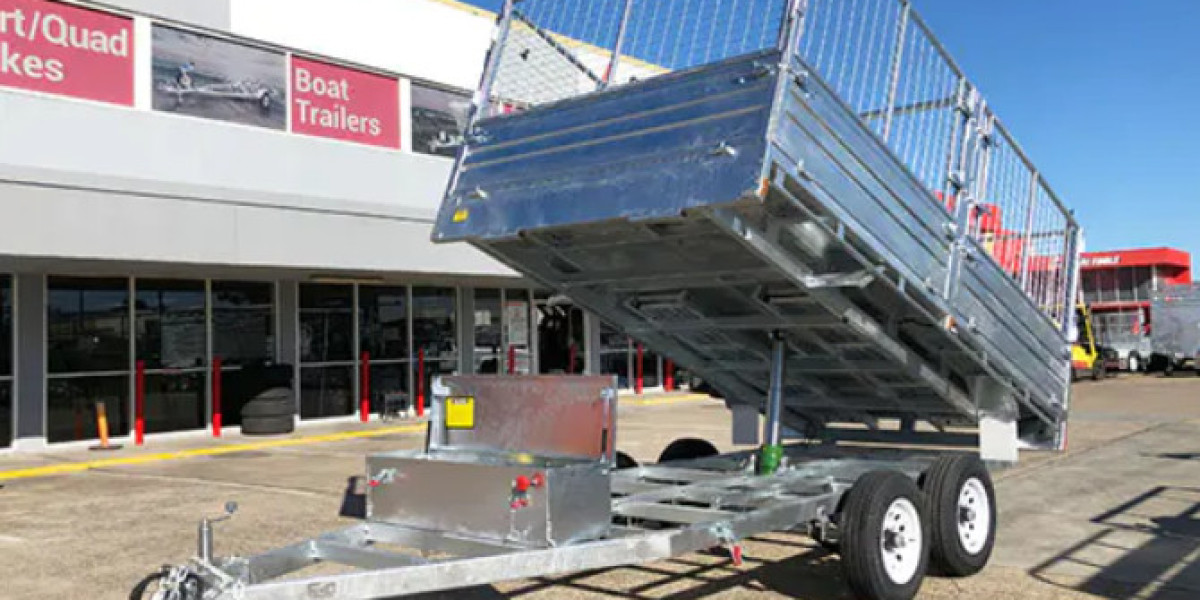

Towing equipment, construction materials, or recreational vehicles across long distances places continuous stress on both the towing vehicle and the trailer. This is one reason many fleet owners and independent operators prefer Tandem Trailers for medium and heavy-duty hauling applications. A tandem axle configuration distributes weight across four wheels instead of two, helping improve balance, traction, and braking performance during transport. Industry discussions about trailer safety often highlight the importance of axle design, load placement, and suspension geometry in reducing trailer sway and improving road stability.
Highway stability becomes especially important during crosswinds, emergency braking, and uneven road conditions. Tandem axle systems create a wider support footprint beneath the trailer frame, helping reduce side-to-side movement. Operators transporting machinery or dense cargo frequently notice smoother tracking at highway speeds compared with lighter single axle systems. Several towing guides also note that tandem axles often feel more controlled during long-distance driving because the suspension absorbs road shock more evenly.
A common tandem trailer configuration may include:
GVWR: 7,000–14,000 lbs
Dual 3,500 lb or 7,000 lb axles
Electric braking systems on both axles
Leaf spring equalizer suspension
Tire sizes ranging from ST205/75R15 to ST235/80R16
These specifications allow operators to carry heavier loads without concentrating excessive force on a single axle assembly. The equalizer suspension also helps maintain tire contact with the road surface during bumps or uneven terrain. Technical discussions about tandem axle mechanics explain that the load-sharing design improves weight distribution between axles and reduces localized stress.
Load balance remains critical regardless of trailer size. Improper tongue weight can still create instability, even with dual axles. Many trailer specialists recommend maintaining approximately 10–15% tongue weight relative to the loaded trailer mass for stable towing performance. Correct cargo positioning also reduces tire wear and suspension strain.
Commercial users often choose tandem configurations because they provide additional safety margins during tire failures. With four tires supporting the trailer, operators may retain greater control compared with a single axle setup after a blowout. Discussions among experienced towing communities frequently reference this advantage during long-distance hauling.
Maintenance requirements are naturally higher because tandem systems contain additional tires, hubs, bearings, and brake assemblies. However, many operators consider the tradeoff worthwhile due to the increased payload capability and improved ride behavior. Routine inspections typically include:
Brake adjustment checks
Suspension equalizer inspection
Tire pressure balancing
Wheel bearing lubrication
Axle alignment verification
Proper axle alignment is particularly important. Uneven bracket spacing or incorrect suspension geometry can cause abnormal tire temperatures and accelerated tire wear. Real-world towing discussions often mention alignment issues as a major factor in premature tandem trailer tire failure.
Modern tandem trailer designs continue evolving with upgraded suspension systems, torsion axles, reinforced frames, and integrated braking technologies. Some refrigerated transport systems are even exploring energy recuperation axles that recover power during braking events.
For operators hauling compact equipment, landscaping machinery, construction materials, or enclosed cargo, tandem axle trailers offer a balanced combination of capacity, durability, and towing confidence. The ability to maintain smoother highway behavior under demanding conditions continues to make them a preferred choice across many industries.