

IAL1 requires that RPs verify the identity and link of applicants claimed identities with core attributes; while IAL2 demands high confidence that claimants control one or more authenticators tied to subscriber accounts. Finally, IAL3 offers the highest level of assurance by including requirements that limit highly scalable attacks.
NIST IAL3 Verification
The NIST IAL standards outline three identity assurance levels (IAL, AAL and FAL), along with methods to validate them. This information helps relying parties make more informed risk decisions when accepting authentication or attribute data from federated environments.
Modern solutions for NIST IAL3 verification combine strong Authentication Assertions with an easily verifiable source of truth such as an employee headshot stored within an organization for all IAL3 sessions. This approach helps organizations comply with privacy and nist 800-63-4 ial3 compliance regulations while simultaneously mitigating security risks by not storing raw biometrics on cloud or unsecure environments.
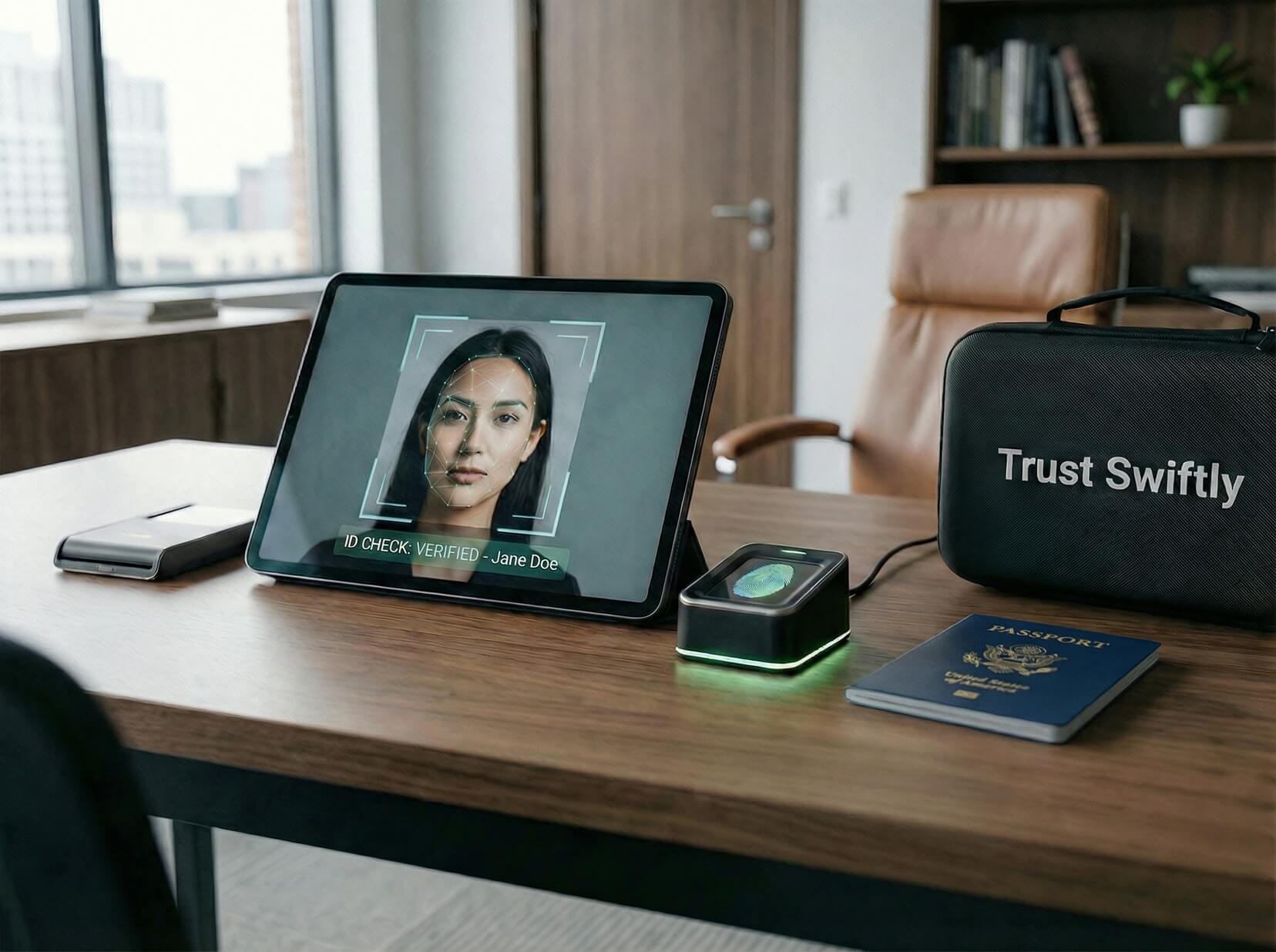
Trustswiftly's FIDO Certified passwordless authentication and identity verification platform HYPR Affirm can help organizations comply with NIST 800-63-3 guidelines by offering remote yet supervised IAL3 verification, which includes document and facial recognition with liveness detection; cryptographic proof of identity; phishing resistance; step-up reproofing to provide continuous identity assurance beyond one point-in-time checks. Discover all the details about Nist Ial3 Verification by clicking here or visiting our article source.
NIST IAL3 Compliance
NIST Digital Identity Guidelines are an integral component of secure federated identity management. Their latest version SP 800-63-4 continues to call for extensive identity proofing, phishing-resistant authentication, subscriber controlled wallets and subscriber control of them; additionally it promotes hardware backed authenticators as the preferred method for AAL2/3 compliance.
IAL3 compliance represents the highest level of assurance, requiring on-site attended identity verification with extensive evidence validation and biometric matching. This method limits highly scalable attacks while protecting against synthetic identities or compromised credentials; making it suitable for high stake transactions such as building access control or government services.
Trustswiftly helps businesses comply with NIST IAL3 with an ial3 identity verification software utilizing remote but supervised identity validation methods such as document validation, risk-based onboarding and biometric checks (such as facial recognition with liveness detection). Their unified platform uses 15 methods of authentication in order to quickly approve legitimate customers while quickly stopping fraudsters - quickly blocking fraudsters while rapidly onboarding legitimate customers who pass identity checks successfully - using its zero trust model which operationalizes compliance into an ongoing adaptive security posture.
NIST IAL3 Identity Proofing
Identity Proofing at Level Three (IAL3) of NIST authentication guidelines entails superior-strength digital identification processes with stronger phishing resistance and man-in-the-middle protection capabilities, secure federated authentication practices, passwordless access to critical systems and biometric comparison and liveness detection capabilities to verify claims made about digital identities claimed.
HYPR Affirm offers an identity proofing process compliant with NIST IAL3 requirements using solution protocols developed specifically for it, through various modalities including chat, video, facial recognition with liveness detection and document authentication. Furthermore, step-up reproofing based on risk allows it to bridge business and security objectives while drastically decreasing attack surface area.
Credential service providers (CSPs) use this specialized verification standard, known as IAL3, to protect online services against impersonation attacks and fraud. On-site IAL3 verification typically involves face-to-face interaction with an on-site CSP representative and identification. Furthermore, facial cross-verification with multiple photo IDs, iris or fingerprint verification as well as biometric comparison can all help prevent SIM swaps or MFA bypass attempts.
FedRAMP High Identity Proofing
fedramp high identity proofing represents the highest level of protection for sensitive unclassified federal information, often required of systems supporting mission-critical functions or processing highly confidential data such as law enforcement information, emergency services records or financial data for healthcare services. Furthermore, this version of the template includes more stringent identity verification standards.
These methods require physical comparison between enrollees and identity evidence either live or remotely using video streaming, facial recognition with liveness detection and document authentication. These procedures help protect against impersonation attacks, SIM swapping and MFA bypass by securely binding biometrics with identity credentials.
Gaining FedRAMP High certification shows customers that your CSP can meet the most stringent security standards, creating significant credibility with customers and creating an impressive halo effect for the CSP. Furthermore, this independent validation allows your company to repurpose the FedRAMP High solution across multiple federal agencies with high impact systems for increased economies of scale and return on investment.